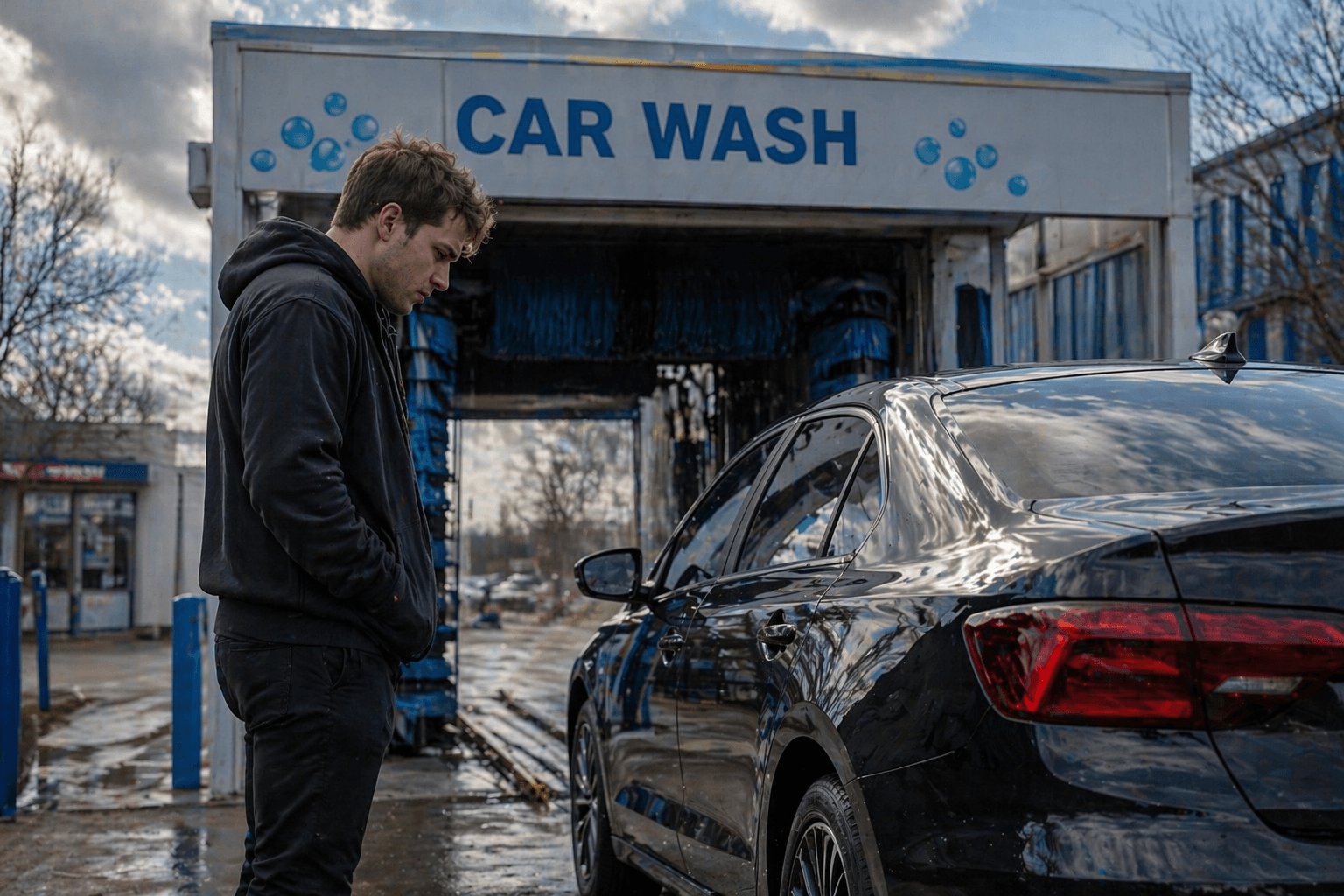
Imagine buying a spanking new car just a few days ago, only to find it messy now. The next thing you know, you’re searching for the best car wash method to restore its shine. While there are several types of car washes, not all are effective. Each has pros and cons. We’re here to review each method so you can choose the best car wash for your new car.
Hand washing
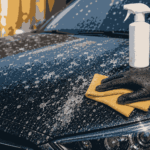
Handwashing can be done in various ways, from the traditional two-bucket method to high-tech, pressurized foam cannons. Still, no matter which method you use, you (or your car care professional) will need water, soap, and a soft mitt to wash the vehicle.
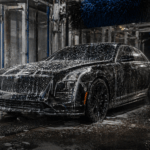
So, how to do it effectively? We would suggest you visit a car wash facility near you. They will have a pre-wash routine that includes applying snow foam, a thick soap solution that clings to the car’s surface to loosen dirt, and then rinsing it completely. It helps in cleaning. Later, they will apply another layer of soap and scrub the car gently with wash mitts, which are soft gloves designed for washing cars, to remove the dirt. The foam helps to break down contaminants, and the wash mitts aid in releasing them. After that, a final rinse and drying wrap up the entire process.
This cleaning requires effort, many tools, and experience. However, it’s the most effective and gentle way to remove heavy contamination from your car’s finish.
Waterless car wash
A spray-bottle product and a microfiber towel are all that’s needed for a waterless wash. People typically choose this method when they lack access to running water. It’s basically a last resort.
Waterless washes can’t remove tough stains. They’re fine for dust, but not for mud from off-roading. Scratching is another drawback.
Even though waterless wash products are heavily lubricating, they still can’t match the reduced friction of a foamy handwash. This increases the risk of scratching from dust or other particulates. Use this method with care, or seek professional help.
Rinseless car wash
Washing without rinsing, called a rinseless wash, is not the same as washing without water. It’s a cross between a handwash and a waterless wash. It is important that you thoroughly mix the rinseless wash product, a concentrated cleaner that doesn’t create foam, with the bucket of water before using it. You don’t have to rinse because it won’t make any suds. Once you’ve washed the area, all you have to do is wipe it down to dry it.
If you want to avoid using water, use wash mitts or microfiber towels for cleaning. To dry, set aside a wrung-out towel. Pre-spray a panel, clean with a soaked towel, then dry with your set-aside towel, finishing with a fresh, dry microfiber. Repeat until done.
If you have water restrictions or limited space, you prefer a rinseless wash method. If you’re looking for something that still leaves behind some scuff marks, this isn’t it. Also, this won’t be as effective as using a hand wash for removing tough stains.
Automatic car wash
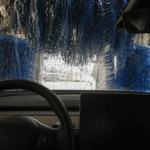
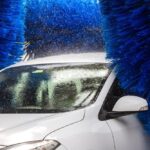
When you go through an automatic wash (also known as a “tunnel” wash), your car is placed on a conveyor belt and passes through various brushes and blowers. Because of the abrasive grime on the bristles of these coarse brushes, they can severely damage your finish. The harsh cleaning chemicals they use can also damage your paint, causing cracking, fading, and even stripping waxes/coatings.
The reason is simple: they’re cheap and quick, so they’re the most popular kind of wash by far. All you need is to find the best car wash that takes care of your car. And make sure they use less abrasive tools and high-tech technology. You can visit websites like Way.com to find them easily.
Brushless car wash
Brushes aren’t used in a ‘brushless’ wash; instead, the machine uses strips of a soft cloth. That seems like a good solution to the problem of abrasive bristles tearing up the surface of your car, but even dirty cloth, long strips that replace brushes in the machine, can leave scratches on your finish. Drift marks left by thousands of cars before you can and will detract from your final result. In addition, harsh chemicals are still used in these washes.
Touchless car wash
With a ‘touchless’ automatic car wash, there will be no brushes or bristles used for cleaning your car. Pressurized air and high-pressure water, jets of water, and streams of air that remove dirt are used instead of harsh chemicals for cleaning. It seems to be a game-changer for auto washes in general. No, that’s not quite right. For starters, you’ll still have to deal with harsh chemicals. If you don’t want your paint to dry out or risk having your wax or protective coating stripped, make sure you ask what kind of chemicals they’ll be using beforehand.
Also, remember that brushless and touchless washing are two distinct things. The word “brushless” has led some people to believe that it means “touchless.” This is incorrect. Make sure you’re getting the best type of car wash for your new car by doing your research ahead of time.
Verdict
We’ve seen people use everything from paper towels to whatnot to clean their cars. So, no matter how clever a life hack you devise, it will almost certainly tarnish your final outcome. And it’s simply not worth it in this case. Even though handwashing is considered the safest, it still needs some professionals’ attention. Your new car deserves the best care. So, it’s best to find a top-rated car wash near your neighborhood and drive to it. Use trusted websites and apps like Way.com to book the best car washes near you. With Way.com, the best car wash is just one scan away. To book the best car wash near you, follow the steps given below: Your new car deserves the best care. So, it’s best to find a top-rated car wash near your neighborhood and drive to it. Use trusted websites and apps like Way.com to book the best car washes near you. With Way.com, the best car wash is just one scan away. To book the best car wash near you, follow the steps given below:
- Download the Way app or open the website.
- Type in your location and choose a car wash near you from the list.
- Schedule your car wash and enjoy touch-free payment.

Renée Martin is a travel and car expert who focuses on road and air travel in the U.S. For the past 6 years, she’s been helping make driving and trip planning easier and budget-friendly for everyday travelers.