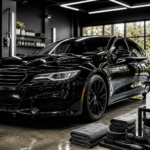
Buffing a car requires effort, but the payoff is substantial. When finished, your car will gleam like new. Buffing also eliminates minor scratches and scuffs from the paint. Read on to discover how to buff your car properly.
Why should I buff my car?
Buffing can remove a shallow scratch or visibly reduce the effects of a serious collision. While it’s the most comprehensive repair for existing paint, buffing can’t achieve the results of a full respray.
When should I get my car buffed?
If washing and polishing your car’s paint fails to restore its shine, buffing is the solution. A single-step buffing method is needed because even after polishing to an even surface, microscopic scratches remain. These must be removed before applying a glaze for maximum shine. Using a buffer is not just for removing old paint. Thorough attention is essential to achieve the look of a new paint job, especially if the surface is not completely smooth.
Tools you’ll need
- Rotary buffer
- Wool and foam pads
- Car wash mitt
- Clean microfiber towels
- Masking tape
- Automotive soap
- Carnauba wax
- Vinyl and rubber compounds
- Cutting and polishing compounds
Safety measures
Buffers operate at high RPMs. To protect your hands, eyes, and body, remain vigilant and follow safety procedures.
- Don’t wear any accessories or jewelry while you are buffing. This will prevent them from getting tangled on the buffer wheels.
- Prevent inhalation of polish fumes by working in a well-ventilated space.
- Avoid getting compound on your skin or in your eyes. Seek medical attention if it contacts your skin or eyes.
- Wear gloves and goggles to protect your eyes and hands.
How to buff your car
- Wash your car completely. Rinse to remove any dirt or debris. Next, use mild automotive soap to thoroughly clean all surfaces.
- Mask areas you do not want to buff. When using a rotary buffer, protect delicate parts, such as headlights and trim, from heat damage.
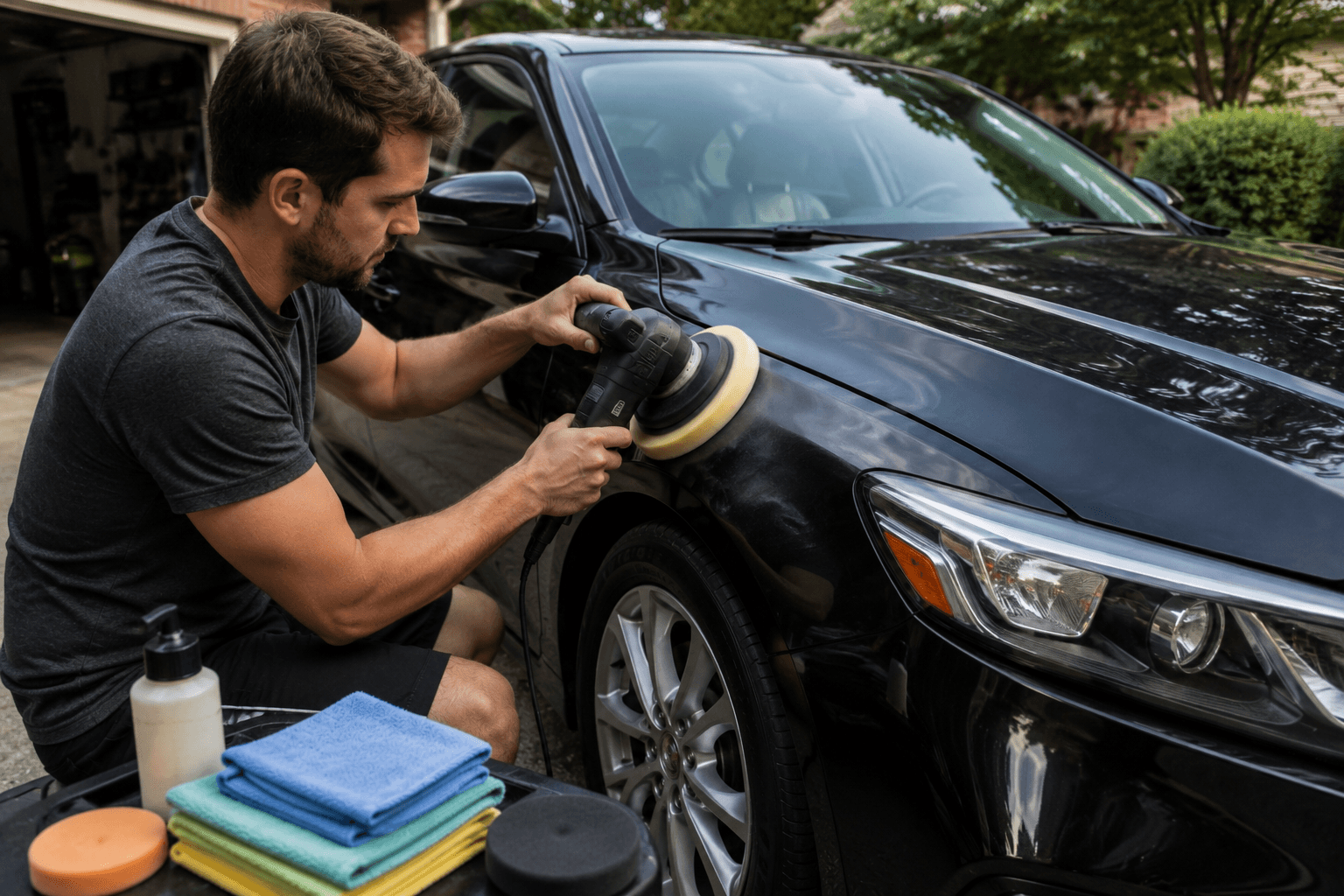
- Start with a wool pad and a moderate buffing compound to correct imperfections. Move the buffer vertically, then horizontally. Focus on one door or body panel at a time to work efficiently and stay attentive.
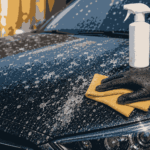
- If the compound appears cloudy, wipe it off with a microfiber towel. This also removes any surface scratches.
- Replace the wool pad with a yellow foam pad on the buffer. Work in small sections. Begin with moderate pressure, gradually lessening it as you finish each area.
- Use a microfiber cloth to wipe the area after the compound has been applied thinly.
- Finally, apply liquid carnauba wax. Use the included applicator in a circular motion on a small area at a time.
- Wipe down the windows, mirrors, trim, and wheels after you’ve finished buffing them.
Tips to get the best out of buffing
- Never use the same pad for multiple steps. Reusing pads can cause a poor finish or even damage the paint.
- Keep spare pads and buffing compounds nearby. Preparation is essential for unexpected issues.
- Organize your pads and tools. Do not use dirty pads on your car.
- To test your buffing abilities, you may want to pick up an old door or body panel from a junkyard and use it as a practice piece.
- Make a good start by having a car wash. Dead bugs and grime will ruin the appearance of your buff job.
- Avoid buffing one spot for too long. Excessive heat can damage the paintwork.
- Hand buffing is possible if you need speed, but prepare for extra physical effort.
- Work in the shade to maximize buffing time before the solution dries. Sunlight and heat accelerate drying.
Where can I get my car buffed?
To restore your car’s appearance, visit a reputable car care facility. Consider Way.com or the Way app (iOS and Android) to find top affordable options nearby.

Renée Martin is a travel and car expert who focuses on road and air travel in the U.S. For the past 6 years, she’s been helping make driving and trip planning easier and budget-friendly for everyday travelers.