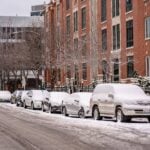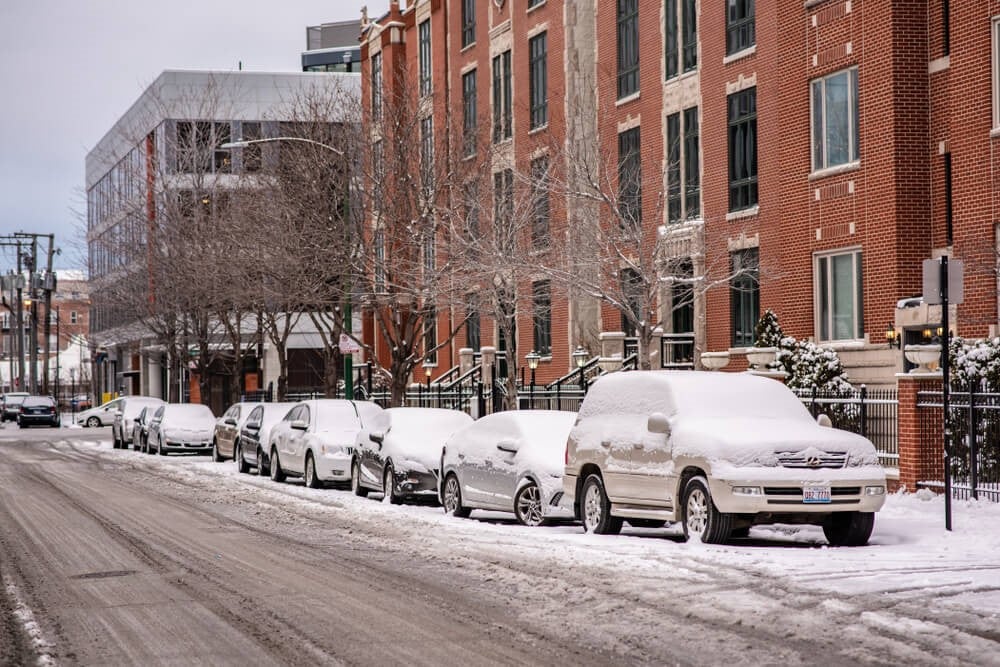
Winter means hot chocolate, warm blankets, lazy mornings…and parking trouble! Especially if your city goes through terrible white winters that even the festive spirits can’t save. Returning to a snow-decked car parked outside is no surprise. But you know what’s worse? Coming back to a parking ticket on your windshield for violating winter parking rules. Here’s what you can do to lessen your winter parking woes.
Waking up to snowfall is probably one of the best feelings during the holiday season. Thanksgiving, Christmas, and New Year’s are the best recipes for festive memories that last a lifetime. However, winter also brings back traumatic memories – from slipping down the stairs to treading through thick snow, the season can be a mixed bag of emotions for some people. When it comes to cars, it is more or less the same. Older cars, especially, don’t like the winter season and refuse to start. Others could have difficulties getting traction on snowy roads.
Parking in winter is complicated, too, and if done carelessly, you could end up stuck in deep snow within minutes. Most cities enforce winter parking regulations and snow emergency routes during this season. To ensure you are not caught by surprise, check out this detailed guide to safe and affordable winter parking.
Winter parking rules
Winter parking rules and regulations across the country are usually in effect from December 1 through late February or early March. City parking authorities and transportation departments restrict winter street parking with time limits, no-parking zones, and snow emergency routes. Fines for parking violations vary from one city to another. You can expect rules like alternate side parking, parking on odd-numbered days, and even winter parking bans, with or without warning. Parking enforcement will not be lenient on winter parking violations and can charge hefty fines ranging from $50 – $500, depending on the parking violations committed.
How to park safely in winter
Would you step out in summer clothes when there is snow outside? The same rule applies to vehicles as well. Cars don’t like winter, just like how some people are annoyed by the cold air and snow. To ensure your car is well-protected and in good condition, following some basic guidelines for winter car care before heading out is essential.
Warm-up
During the winter season, never start driving before warming up your car. It is vital to make sure that the engine is at the ideal temperature for driving. Also, remember not to pull frozen windshield wipers to avoid damage. When parked outside, snow builds up around the wipers, which causes them to stick to the windshield.
Brush-up
Use a snow brush to remove all the snow residue, starting from the top of your car. Make sure that most of the snow is brushed off before driving. Do not pour hot water over the windshield to melt snow. Don’t fall for this myth; the ice residue leaves the windshield cold, and when you add hot water on a surface like glass, it could break pretty fast. Windshields are pretty expensive, and experiments like these will cost you a lot more than a covered parking spot.
Indoor parking
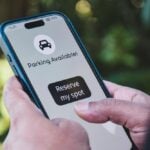
Avoid open parking or street parking during the winter. Always go for covered parking lots near you. Especially when parking for more than a couple of hours or overnight. It is easier to find affordable and secure parking garages in the city using a parking app or website. Pre-book your spot online for the lowest rates and get affordable winter parking in your city.
How to find the perfect parking spot in winter
The parking choices you make have a big impact on the safety and maintenance of your car in winter. Leaving your car in the sunlight and rain for a few hours may not harm your car. However, that’s not the same during winter. If you think it’s okay to leave your car outside, be prepared for the consequences. Melted snow may make its way inside your car and can cause all kinds of problems, including rust in the interior. Avoid this risk and always choose covered parking garages to protect your car from weather damage and offer an extra layer of security. If you regularly park in the same neighborhood, it’s best to get a monthly parking spot in a garage nearby.
Covered parking lots are fewer than street parking spaces, and available ones get sold out quickly. Make sure to pre-book your garage space and don’t miss out on online deals – use the Way app or Way.com to instantly book your parking spot for the lowest rates.

Renée Martin is a travel and car expert who focuses on cars and travel. For the past 7 years, she’s been helping make car ownership, driving, and trip planning easier and budget-friendly for Americans.