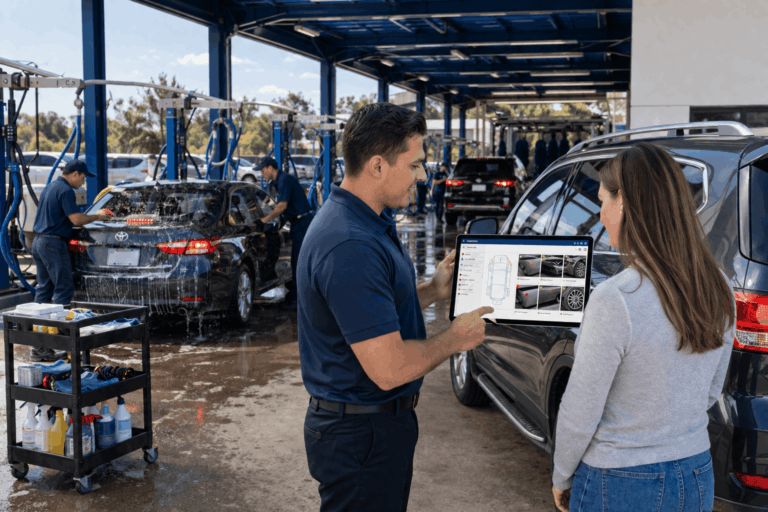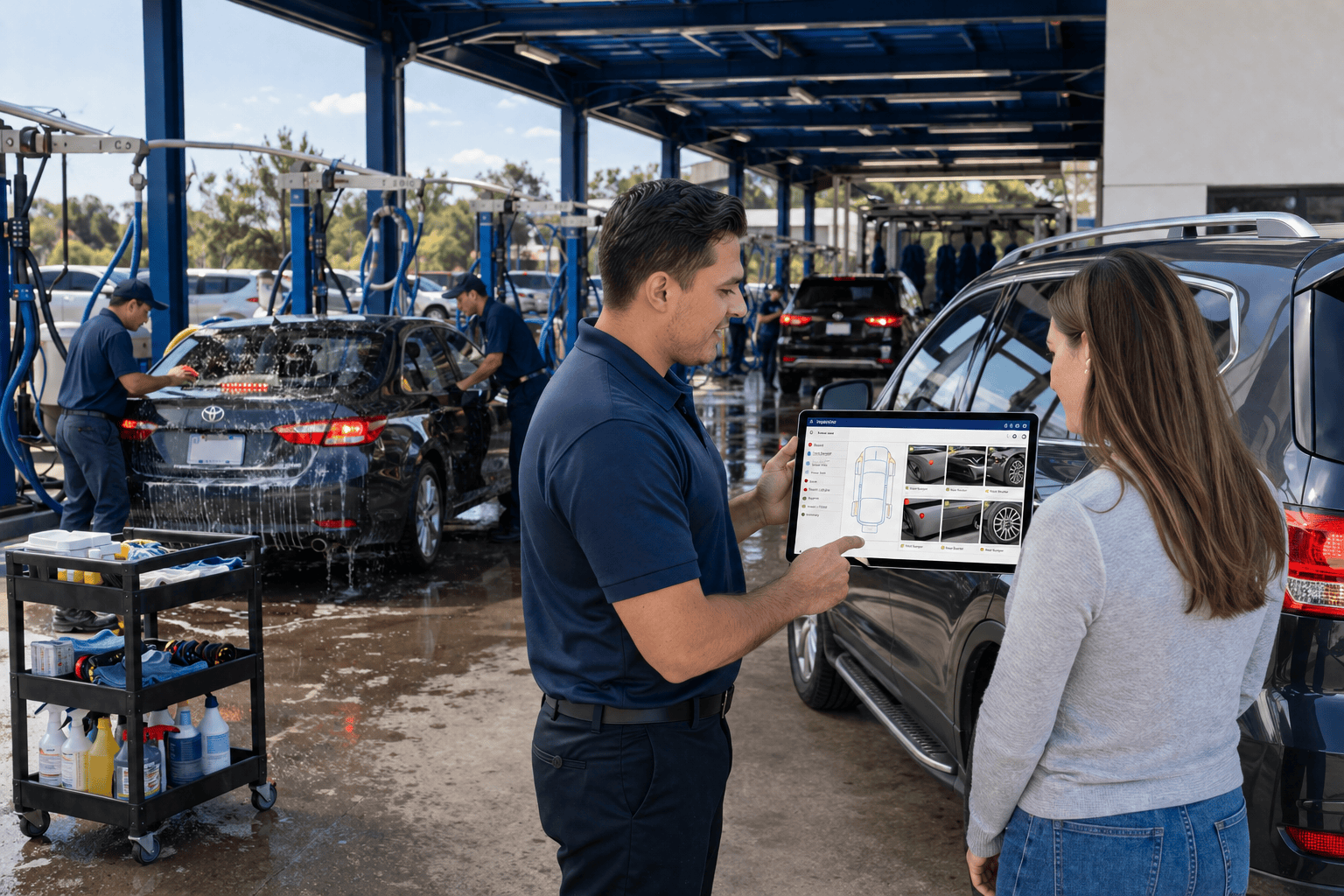


Inspections are basically second nature in repair shops. Every repair starts with one.
Usually, the techs run through a physical checklist and manually write down the general conditions. Once it’s passed to the advisor, they have to call the customer to explain what’s wrong with their car in excruciating detail over the phone. Even after that, it might go right over their heads. You hope the complex processes were communicated clearly and that your customer trusts you to make the right decisions. Later, these physical papers are stored in a cabinet somewhere, sometimes never to see the light of day. In the end, you’re digging through a mountain of paper.
Does it sound eerily familiar? This is true for a lot of auto shops.
But you no longer have to depend on paper alone. This is where Digital Vehicle Inspection comes in.
What does DVI solve?
DVI isn’t your basic digital checklist. It does much more than that. Let’s look at some problems DVI solves.
Consistency across techs
You might think DVI replaces paper checklists with technology. But it’s really about consistency.
A five-year tech catches things a six-month tech misses. This means that quality depends on who is working that day.
Here’s how it works with AI-guided workflows: The software walks each tech through the same steps, right at the vehicle, on their phone or tablet. Some tools now add augmented reality on top, so techs catch and document issues faster.
Over time, you know this type of consistency pays off. Your customers will be confident that your diagnosis is right because what they see is what they get.
From finding to estimate
A lot of DVI tools stop at a nice-looking report with photos. This is useful, but it’s not enough on its own.
When the tech’s findings go straight into the estimate and repair order, a shop can put together an accurate estimate in seconds instead of retyping everything the tech just wrote down. It’s also pulled from a set catalog of services and parts, which helps your advisors create estimates faster.
Visuals that build trust
Seeing is believing. Tell someone their cylinders are damaged, and they might question it. Send them a photo or video of their car’s worn-out cylinders, and there’s not much left to argue about.
Auto repair has had a trust issue that’s been around for decades. DVI makes sure that your customers aren’t skeptical of your inspections.
Pictures and videos back up your recommendations with proof. Pair them with a simple explanation, and you’ve hit the trifecta. If your customers know you’re not ripping them off, they’re more likely to leave a good review and recommend your shop to their friends.
Once your customers know you’re being transparent, they won’t hesitate to return to your shop.
What to actually ask before you buy
Photo reports are pretty common now. Here’s what you need to be asking:
- Does DVI make inspections consistent across techs, or does it just digitize the same inconsistency you already have?
- Do findings turn into ready-to-approve items automatically, or is someone still retyping everything?
- Does the customer see photos and approve from their phone, or are you still relying on a phone call?
- If you run more than one shop, can you see how each one is performing in one place?
- Does it just help with the customers you already have, or does it also bring new ones?
These are the problems Way is specifically designed to solve: AI-guided inspections for consistency, findings that go straight to the estimate, photo-based approvals from your customer’s phone, reporting across multiple locations, and marketplace exposure that brings in customers who weren’t already looking for you.
Interested in learning more? Reach out to us to see it in action.