
11 Repair shops near Austin, Texas

Add your vehicle to get the right quotes and offers for your make & model.
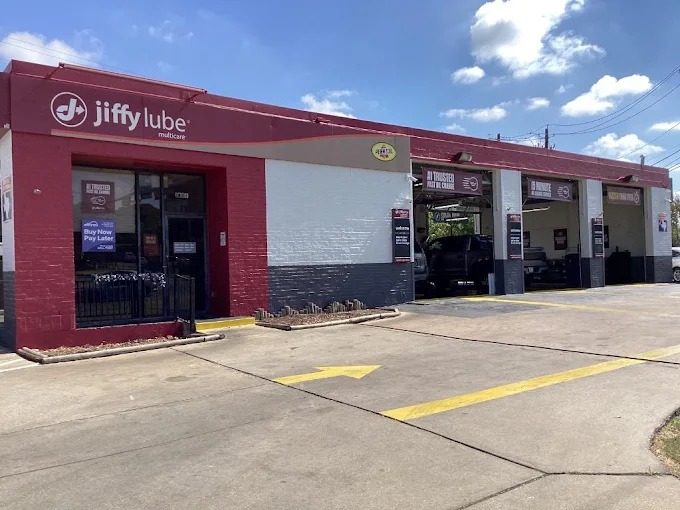

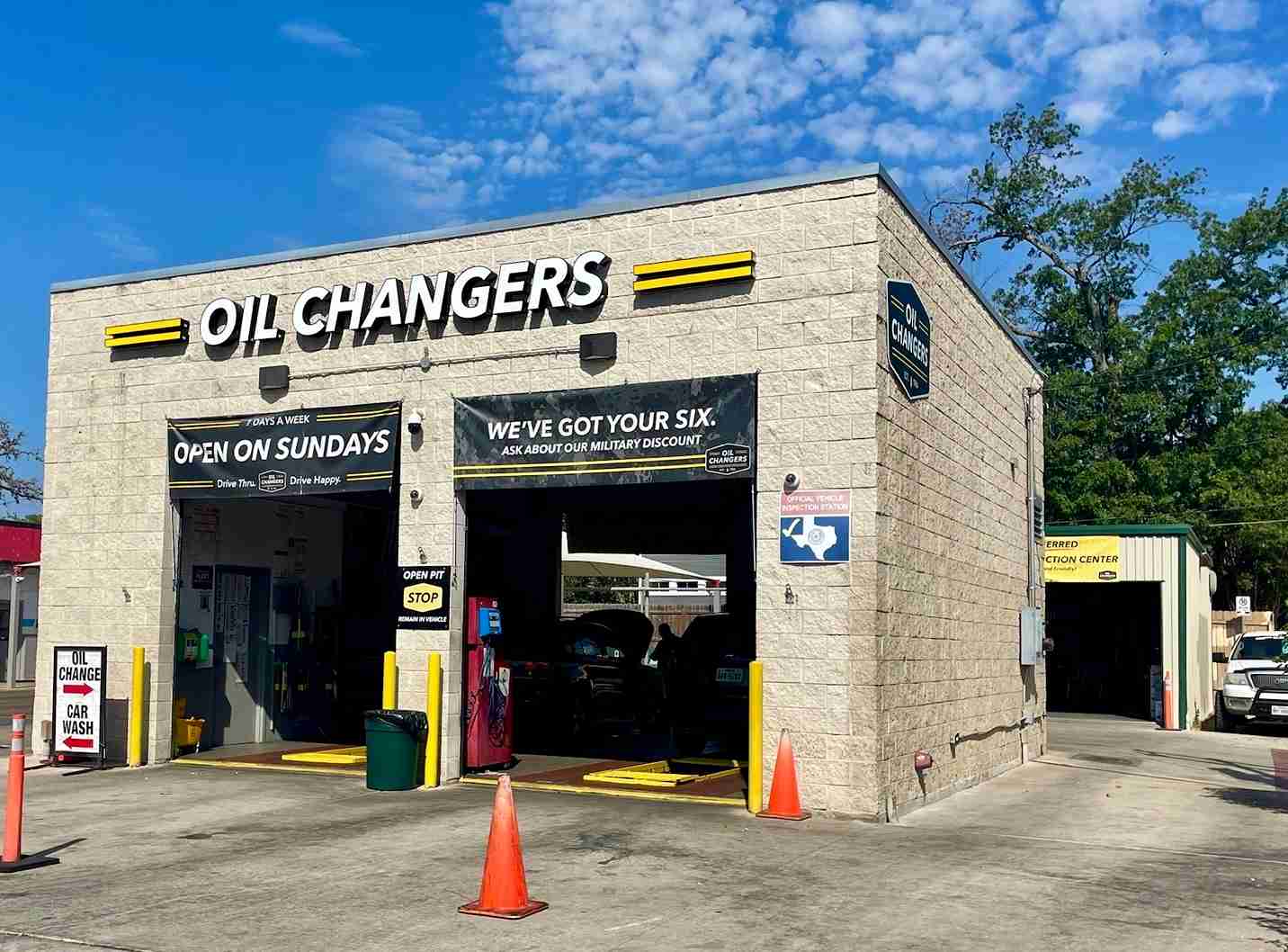

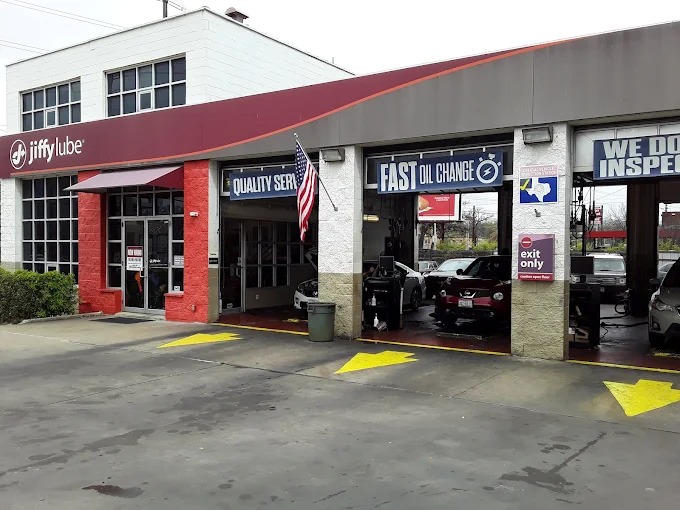


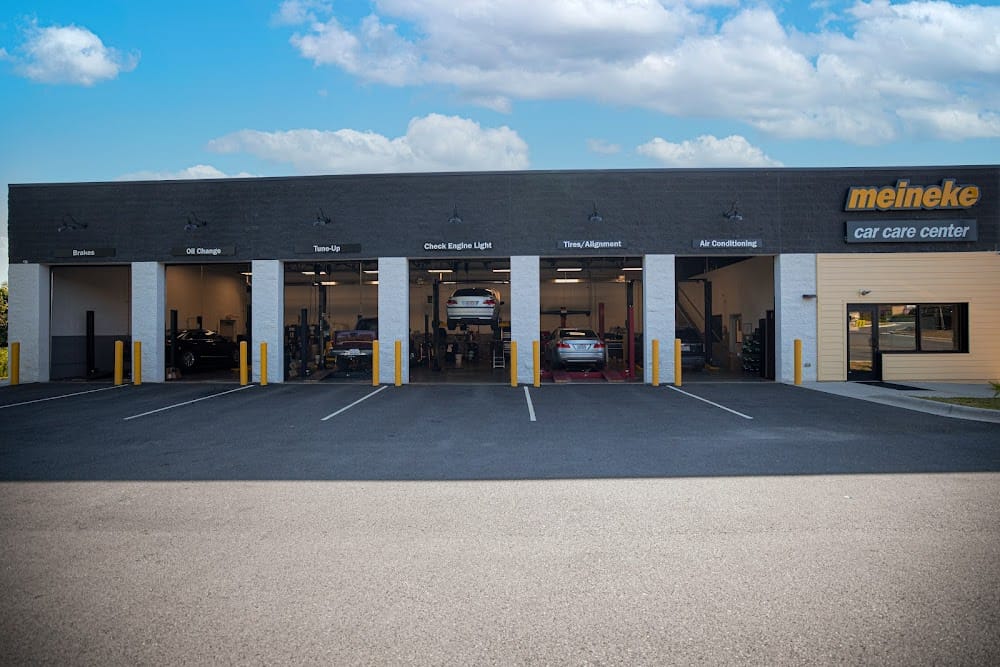

Meineke Car Care Center - Austin
Meineke Car Care Center - Austin
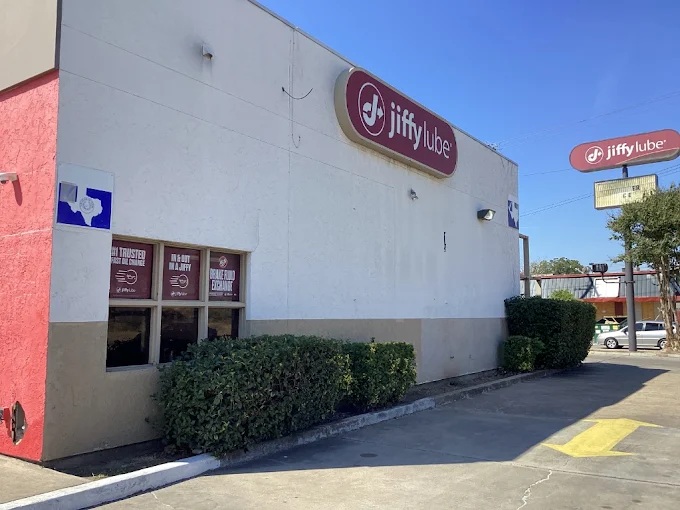
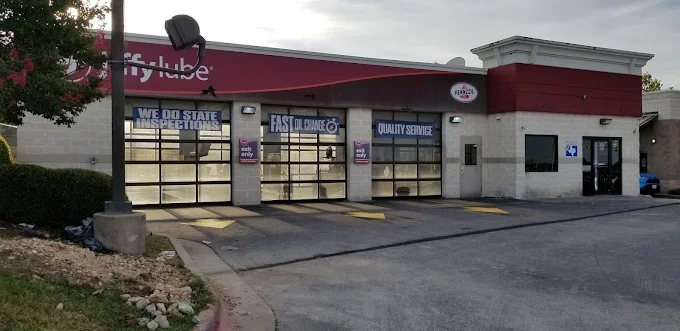
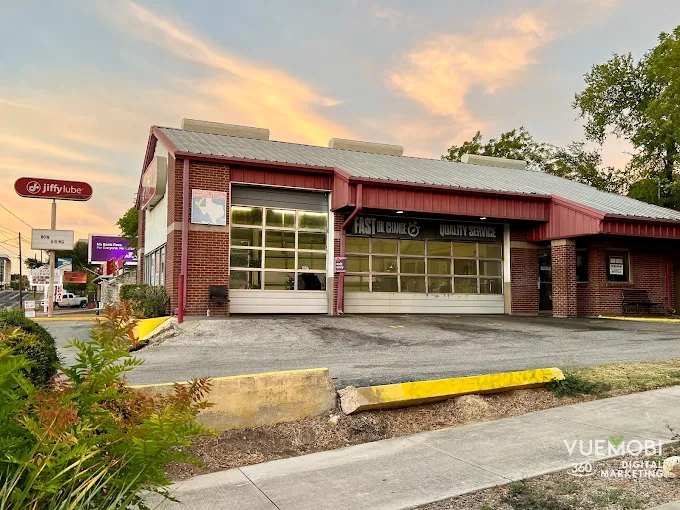
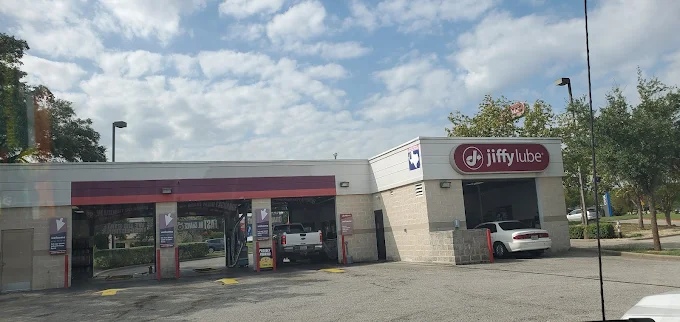
Jiffy Lube - Austin
Jiffy Lube - Austin
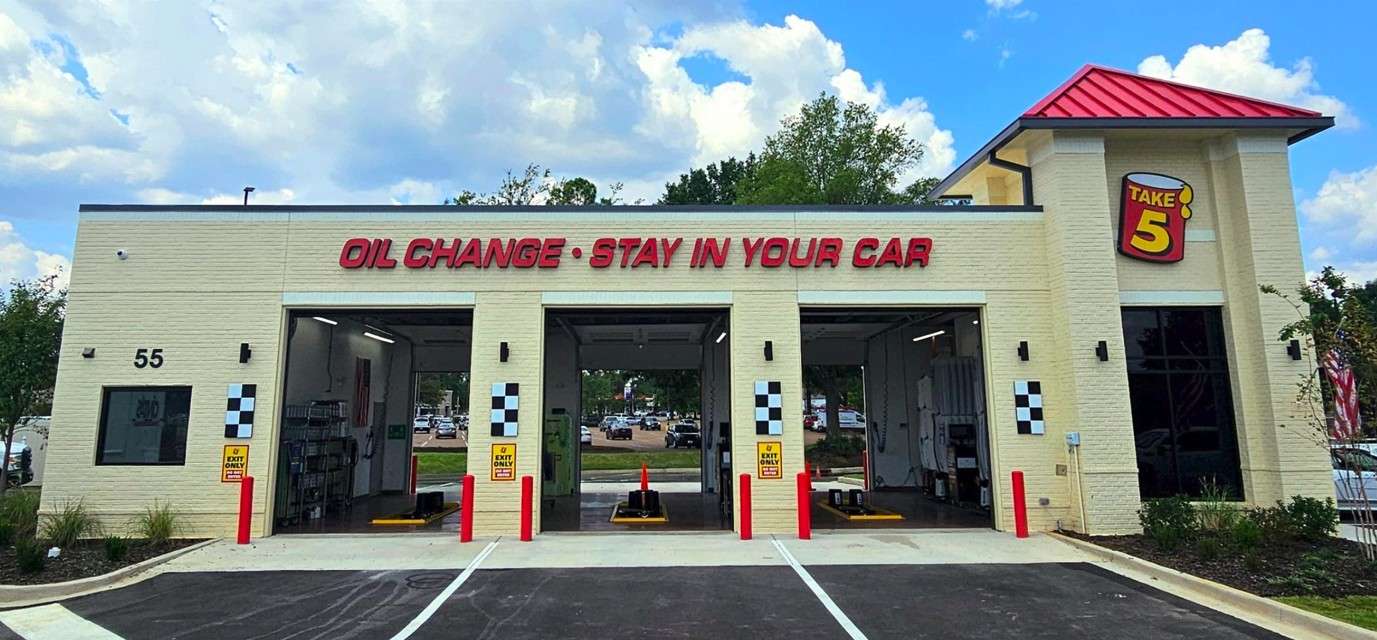
Auto Repair Shop in Austin
Your vehicle plays a major role in getting around Austin, whether you are commuting across town, running errands, heading out of the city, or handling your daily routine. When maintenance is due or something does not feel right, finding the right auto repair shop in Austin gives you a practical place to start.
Way.com helps connect drivers with automotive service options in their area. You can browse local facilities, review available services, and find a repair shop that fits your vehicle's needs. From routine maintenance to more involved mechanical work, you can search for an auto repair shop Austin drivers can turn to when their vehicle needs attention.
How Booking Works
Search Austin Repair Shops Near You
Start by searching for an auto repair shop in Austin that fits your location and service needs. You can look through available local options instead of spending time contacting shops individually. Whether you need an oil change, inspection, maintenance service, or a more specific repair, begin by identifying the type of automotive help you are looking for.
Compare Services Before Choosing
Once you have found potential options, review the information available for each facility. Consider the services offered, location, available appointment times, and other details that can help you determine whether a shop suits your vehicle. This is particularly useful when you are searching for a mechanic in Austin for a specific problem. Knowing what a shop handles before scheduling service can save you from making an unnecessary trip.
Book the Service That Fits
After comparing your options, select a repair facility and arrange your service. Way.com makes it easier to move from searching to scheduling without having to start your search again elsewhere. Whether you need routine maintenance or vehicle repair in Austin, choosing a service option that matches your vehicle's needs can make the repair process more straightforward.
Frequently Asked Questions
How do I find an auto repair shop in Austin?
You can use Way.com to search for automotive repair facilities in Austin and compare available options. Look at each shop's location, services, and other available information to find a facility that matches your vehicle's requirements.
Where can I find a mechanic in Austin for a specific car problem?
Start by identifying the symptom or type of service your vehicle needs, then look for a mechanic in Austin whose facility offers that service. If you are unsure what is causing the problem, a shop that provides diagnostic services may be a suitable starting point.
Can I find auto repair close to me in Austin?
Yes. Searching for auto repair close to me can help you identify automotive service options near your location. Way.com lets you review nearby facilities so you can consider convenience along with the services your vehicle requires.
What services can I get from a car repair shop in Austin?
Services vary by facility but may include oil changes, brake service, tire services, battery replacement, engine diagnostics, air conditioning service, fluid services, suspension work, electrical repairs, and other maintenance or mechanical work.
How do I choose a car fixing place in Austin?
Start with the service your vehicle needs and identify facilities that provide it. You can then compare location, available services, customer feedback, appointment options, and other information to find a car fixing place in Austin that fits your requirements.
When should I take my car in for repair?
An inspection may be appropriate when you notice warning lights, unusual noises, vibrations, fluid leaks, starting difficulties, braking changes, steering concerns, overheating, or other changes in vehicle performance. Follow your manufacturer's maintenance schedule for routine service.
What should I ask a car repair shop in Austin before approving a repair?
Ask what was found during the inspection, what work is recommended, what the estimated cost will be, and whether additional services are necessary. For major repairs, you can also ask about parts, warranties, and the expected completion time.
How can I find vehicle repair in Austin when I do not know what is wrong?
Look for a facility that provides diagnostic services. Explain the symptoms you have noticed, including when they occur and whether any dashboard warning lights have appeared. A technician can then inspect the vehicle and determine what may require attention.
Are all auto service shops in Austin equipped for the same repairs?
No. Automotive facilities can differ in the services, equipment, vehicle makes, and types of repairs they handle. Check the individual shop's available services before booking to make sure it is appropriate for your vehicle.
What should I do if my vehicle is unsafe to drive?
If you are experiencing a serious braking, steering, overheating, or control problem, avoid driving the vehicle until it has been assessed. Depending on the situation, roadside assistance or towing may be a safer way to get the vehicle to a repair facility.
Austin Auto Repair Local Guide
Driving in Austin and What It Can Mean for Your Vehicle
Regular city driving often involves frequent acceleration, braking, stopping, and starting. Over time, these conditions can contribute to wear on components such as brakes and tires. Paying attention to changes in vehicle behavior can help you identify when an inspection may be worthwhile.
Longer Drives Require Reliable Systems
Austin drivers may also spend considerable time on highways or longer routes outside the city. Tires, brakes, fluids, cooling systems, and other essential components all contribute to reliable operation during extended drives.
Hot Weather Can Affect Comfort
Austin's hot climate makes a functioning air conditioning system particularly important for everyday driving. If the system begins blowing warm air, takes longer to cool the cabin, or produces unusual sounds or smells, having it inspected can help identify the cause.
Pay Attention to Small Changes
A new vibration, unfamiliar noise, unusual odor, or change in handling may seem minor at first. Recording when the symptom occurs can give a technician useful information if the issue continues or becomes more noticeable.
Follow the Manufacturer's Schedule
Your vehicle's maintenance schedule provides guidance for oil changes, fluid services, inspections, filter replacement, and other recurring needs. Keeping up with those intervals can help you avoid overlooking important routine service.
Check Your Tires Regularly
Proper tire pressure supports handling, braking, and tire longevity. Check pressure according to your vehicle manufacturer's recommendations and pay attention to uneven tread wear, visible damage, or other changes.
Keep Fluids at Appropriate Levels
Engine oil, coolant, brake fluid, transmission fluid, and other fluids serve different functions within a vehicle. Low or contaminated fluids can indicate a maintenance need or another underlying issue, so unusual fluid loss should not be ignored.
Do Not Ignore Dashboard Warnings
Warning lights are designed to alert drivers when a vehicle system may require attention. The appropriate response depends on the warning, so consult your owner's information and seek professional inspection when necessary rather than simply ignoring the light.
Know What You Have Noticed
You do not need to diagnose the vehicle yourself. Instead, describe what you have experienced. Mention unusual noises, smells, warning lights, performance changes, or situations in which the problem appears.
Bring Relevant Service Information
If you have maintenance or repair records, keeping them available can provide useful background. Previous work may help a technician understand which components have already been serviced.
Explain When the Problem Happens
A vehicle issue that occurs only during cold starts may have a different diagnostic path from one that appears during acceleration or braking. Details about when the symptom occurs can help narrow the possibilities.
Ask Questions Before Work Begins
If a repair is recommended, ask what was found and why the service is needed. Understanding the proposed work can help you make a more informed decision about your vehicle's maintenance.
Routine Maintenance Is Planned
Oil changes, inspections, tire services, fluid checks, and other manufacturer-recommended tasks can generally be scheduled in advance. Planning these visits may help make vehicle maintenance easier to manage.
Repairs Usually Begin With a Problem
Unexpected repairs often start with a symptom. A warning light, strange sound, starting problem, or change in handling can lead to an inspection that determines what needs attention.
Not Every Symptom Means a Major Repair
A dashboard warning or unusual sound does not automatically mean a major component has failed. Proper diagnosis is important because similar symptoms can have different causes.
Use the Right Shop for the Job
A facility that handles routine maintenance may not offer every type of diagnostic or mechanical repair. When looking for car repair in Austin, check that the shop provides the service your vehicle actually needs.

Meineke Car Care Center - Austin