Managing a small business or working as an independent contractor often means your vehicle becomes your mobile office. For many professionals in the United States, a single car simply does not cover all their daily operational needs. You might drive a heavy duty pickup truck to transport construction materials on a Monday morning, and then switch to a fuel efficient hybrid sedan to meet with a prospective client on a Tuesday afternoon. While utilizing different cars is a smart logistical choice, it creates a massive administrative headache when tax season rolls around.
The Internal Revenue Service demands meticulous, highly detailed logs to approve your automotive tax deductions. They want to know exactly which car was driven, how far it went, and the specific business purpose of the trip. At our company, Way, we understand exactly how frustrating this paperwork can be for busy professionals. We have built our entire platform around making the lives of American drivers easier. We know that losing out on tax deductions because of messy logbooks is a painful and unnecessary financial loss. In this comprehensive guide, we will break down the complexities of multi-car management, explain why robust vehicle mileage tracking is critical for your bottom line, and show you how to streamline your entire daily driving routine.
The Unique Challenges of Using Multiple Vehicles for Business
Logging drives for a single automobile requires discipline. Logging drives for two, three, or a fleet of automobiles requires a flawless system. If you are setting one up, our guide to tracking mileage across multiple cars covers the first steps. When you use multiple cars, the margin for error increases exponentially.
| Challenge | One Vehicle | Multiple Vehicles |
|---|---|---|
| Trip identification | Usually straightforward | Must identify the exact vehicle |
| Odometer records | One baseline to maintain | Separate baseline for each vehicle |
| Trip classification | One mileage log | Multiple vehicle-specific records |
| Manual paperwork | Relatively manageable | More time-consuming |
| Risk of mixing records | Lower | Higher |
The IRS Does Not Like Guesswork
The United States tax code is notoriously strict regarding automotive deductions. If you are audited, the IRS will not accept rough estimates or rounded numbers. They expect records made at or near the time of each trip, which carry far more weight than a log rebuilt later. When you bounce between a personal SUV and a dedicated work van, it is incredibly easy to mix up the odometer readings.
If you record a business trip under your personal SUV when you actually drove your work van, that specific deduction could be invalidated. Even worse, repeated inconsistencies across different vehicles can invite a closer look at the rest of your return. Proper vehicle mileage tracking eliminates this anxiety by assigning hard data to the correct license plate every single time you put the car in drive.
The Nightmare of Manual Paper Logs
For generations, the standard method for recording drives was keeping a small spiral notebook tucked inside the glove compartment. If you own three cars, that means maintaining three separate notebooks. It is only a matter of time before a notebook goes missing, a pen runs out of ink, or you simply forget to write down the starting odometer reading because you were rushing to an urgent client meeting in downtown Dallas.
Furthermore, manual logs force you to do the math yourself. At the end of the month, you have to sit at your kitchen table, add up hundreds of individual trips for each car, and try to decipher your own handwriting. This manual process steals hours of your valuable time. That is time you could be spending growing your business or relaxing with your family.
Financial Stakes: Why Every Mile Matters
Understanding the financial impact of your driving data is crucial. The IRS sets a standard mileage rate every year. This rate is designed to cover the cost of gas, general wear and tear, maintenance, and auto insurance. Because this rate is highly favorable, driving just a few thousand miles for business can result in a massive tax deduction.
Let us look at a practical scenario. Imagine you are a real estate agent. You drive your luxury sedan to show houses to high net worth clients. You drive your older SUV to pick up open house signs and hardware store supplies. If you fail to log the trips in the SUV because you left the notebook in the sedan, you are literally throwing money away. Every unrecorded mile is lost cash that you overpay in taxes. A dedicated mileage tracker for business ensures that absolutely nothing slips through the cracks, regardless of which set of keys you grabbed that morning.
Core Features Your Vehicle Mileage Tracking System Needs
Moving away from paper logs and spreadsheets is the first step toward reclaiming your time. However, not all digital applications are built to handle the complexities of multiple automobiles. When you are searching for the right software to manage your daily drives, you need to look for specific, advanced functionalities.
Automatic Drive Detection
The most powerful feature of any modern application is the ability to run silently in the background of your smartphone. Utilizing GPS technology and motion sensors, the software detects when you are traveling at driving speeds. It automatically drops a pin at your starting location and your ending destination. You never have to remember to press a start button. This removes most of the human error from the equation.
Seamless Vehicle Switching Profiles
Because you drive more than one car, your chosen software must allow you to create distinct profiles for every vehicle in your garage. You should be able to input the make, model, year, and starting odometer reading for each one. After a trip is automatically recorded by your phone, the application should prompt you to assign that drive to a specific vehicle. With a single tap, the data is routed to the correct digital logbook.
Cloud Synchronization and IRS Formatting
Smartphones can be dropped on concrete or accidentally submerged in water. If your driving data only lives on your physical device, a broken screen could mean losing a year’s worth of tax deductions. Your vehicle mileage tracking data must instantly sync to a secure cloud server. Additionally, the software must generate reports that your Certified Public Accountant can actually use. You should be able to export a clean, organized spreadsheet that separates your drives by vehicle, clearly distinguishing between personal errands and valid business operations.
How Our Ecosystem Simplifies Your Daily Drive
We built our platform because we noticed how fragmented the automotive industry had become. Drivers were using one application for their logs, another for navigation, and yet another to deal with the physical maintenance of their cars. We wanted to unify all these essential services under one roof.
When you use our advanced mileage tracker, you are getting a tool specifically designed to handle multiple vehicles with absolute precision. We remove the guesswork from your tax preparations. Our system automatically captures your routes, keeps them sorted by the exact car you drove, and exports reports by vehicle. But our dedication to the modern American driver goes far beyond just logging your miles.
If your business takes you into crowded urban centers like Chicago, Seattle, or Boston, you know that finding a secure place to leave your car can be a nightmare. Wasting thirty minutes circling the block kills your productivity. Our application allows you to reserve safe, affordable parking before you even leave your house.
Furthermore, keeping your vehicles looking professional is an unwritten rule of business. Pulling up to a client meeting in a car covered in highway grime sends the wrong message. We make it incredibly simple to locate and book a premium car wash near me directly through our network. By integrating all of these services, our ecosystem saves you time, protects your assets, and keeps your professional image spotless.
Best Practices for Maintaining Bulletproof Logs
Even with the best software in the world installed on your phone, you still need to establish a solid routine to ensure your records are audit proof. Follow these best practices to maintain a flawless system across all your vehicles.
Record Baseline Odometer Readings
On the first day of January, or the very first day you start using your new tracking software, walk out to your driveway and check every car. Write down the exact odometer reading for each vehicle, and do it again on any day a car starts or stops being used for business. The IRS will look for a logical progression of miles over the course of the tax year. Having a documented starting point for each car provides a foundation of credibility for your entire tax return.
Classify Your Trips Daily
Your smartphone will capture the geographical data perfectly, but it cannot read your mind. The software does not know if a trip to the hardware store was to buy supplies for a client project or to buy paint for your own living room. You must classify these trips yourself. Make it a daily habit to open your application while you are drinking your morning coffee. Spend two minutes swiping through yesterday’s drives, assigning the correct vehicle, and categorizing them as business or personal. Doing this daily prevents a massive backlog from building up at the end of the month.
Understand Commuting Versus Business Travel
This is a very common area where taxpayers make mistakes. In the United States, driving from your primary residence to your regular office is considered a personal commute. It is not tax deductible. However, if you leave your regular office to visit a client site, that drive is fully deductible. Furthermore, if your home is your primary place of business, driving from your home to a temporary work site is also deductible. Understanding these nuances ensures your vehicle mileage tracking remains strictly compliant with federal laws.
| Driving Situation | Generally Business or Personal? | Example |
|---|---|---|
| Home to your regular workplace | Personal commute | Driving from home to your usual office |
| Office to client location | Business travel | Visiting a customer’s property |
| Office to temporary work location | Generally business travel | Travelling to a temporary job site |
| Business location to another business location | Business travel | Driving between two client appointments |
| Personal errand during the workday | Personal | Stopping at a shop for personal purchases |
Take Control of Your Driving Data Today
Juggling the responsibilities of a growing business is hard enough without constantly worrying about your automotive paperwork. Relying on your memory or a disorganized stack of paper notebooks across multiple cars is a guaranteed way to lose money at tax time. By implementing a modern vehicle mileage tracking system, you secure your deductions, streamline your daily operations, and gain total peace of mind.
Our mission is to support your journey every single mile of the way. We provide the tools you need to manage your fleet, protect your bottom line, and focus entirely on your professional goals. If you are ready to upgrade your process, or if you have any questions about how our platform can specifically benefit your business, we would love to hear from you. Reach out to our dedicated support and let us help you drive your business forward.
Frequently Asked Questions
Can I use the standard mileage rate for multiple vehicles?
Yes, you can use the IRS standard mileage rate for multiple cars, provided you do not operate a fleet of five or more vehicles simultaneously. If you use four or fewer cars for your business, you can claim the standard rate for each one. You just need to keep separate, accurate logs for every single vehicle to prove the exact distances driven.
What happens if I forget my phone during a business trip?
Technology is wonderful, but human error still happens. If you leave your smartphone at the office and take a different car to a job site, your automatic tracker will miss the trip. Fortunately, a reliable system will allow you to enter trips manually. You can simply log in later that evening, input the starting address, the destination, and the specific car you used to ensure your records remain whole.
Do I need to keep gas receipts if I track my miles?
If you choose to claim the standard mileage rate, you do not need to keep receipts for gas, oil changes, or standard repairs, because those costs are already factored into the per mile rate. However, you should absolutely keep your receipts for business related parking fees and road tolls, as those can be deducted separately on top of your mileage claim.
Is digital tracking acceptable in the event of an IRS audit?
Absolutely. Digital records are accepted, and they are easier to defend than handwritten notebooks. Digital logs provide exact GPS timestamps and clear geographical routing that is very difficult to fake. As long as your digital export includes the date, distance, destination, business purpose, and the specific vehicle used, it gives you the record the IRS asks for, made at the time of each trip.
How does a mileage tracker for business handle switching between cars in the middle of the day?
If your daily schedule requires you to swap vehicles halfway through the afternoon, our system makes the transition incredibly smooth. Because the application relies on your smartphone’s GPS rather than a hardwired device in a specific car, the tracking technology stays with you no matter what you drive. When you finish a delivery in your work truck and jump into your sedan for a client dinner, the app continues to record your movement automatically. Later that evening, you can simply review your unclassified drives and assign the morning routes to your truck and the evening routes to your sedan with just a few quick taps. This keeps your vehicle mileage tracking accurate, even on your most chaotic days.
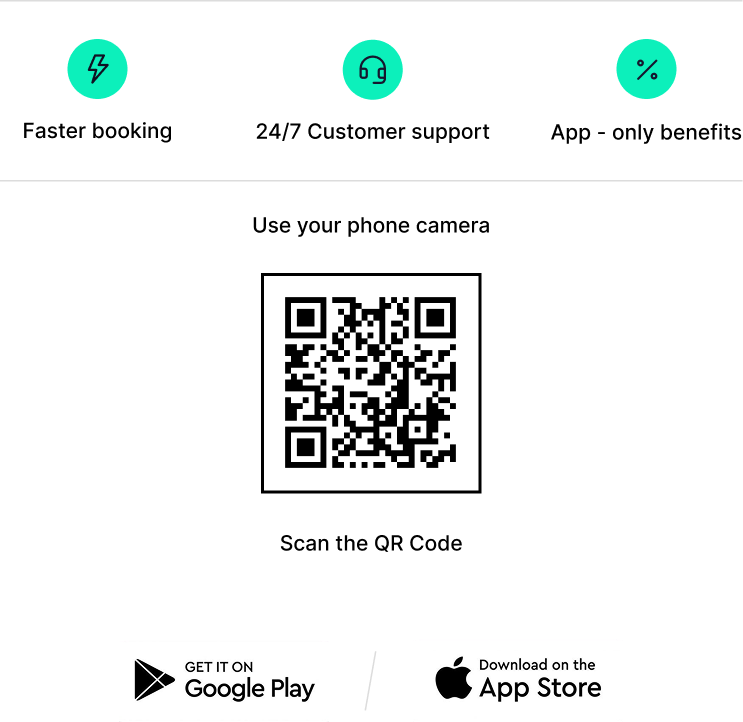
Get 10% off in the Way App in the Way App!

- Scan and get the Way App Download the Way App
- Log in to your account
- Use code FIRST10 at checkout