

Question
Are self-driving cars safer than human drivers?
According to the autonomous driving tech company Waymo, their self-driving cars had 81% fewer crashes that cause airbags to deploy, 85% fewer crashes that led to serious injuries, 96% fewer injury crashes at intersections, and 92% fewer crashes that involve injuries to pedestrians.
Self-driving cars might appear to have an edge over their human counterparts in most situations. They don’t feel sleepy, they don’t get drunk, nor do they have road rage episodes.
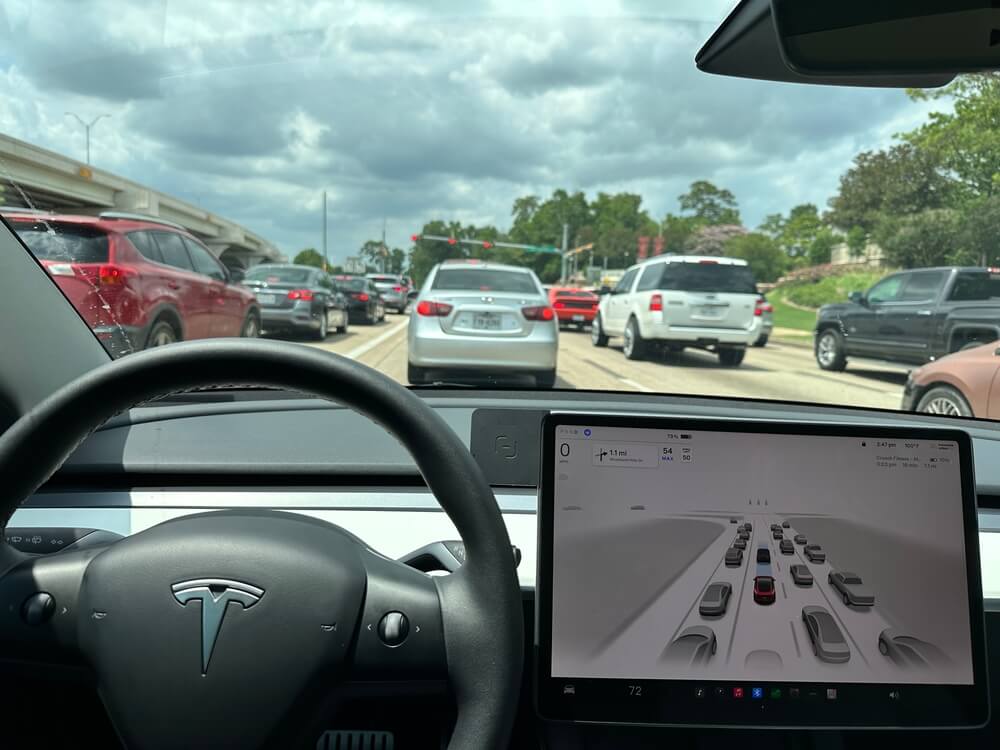
Image: Brian Gallegos
That said, there are certain instances when a human might just have the edge over the machine. These include:
- Edge cases, i.e., extreme or very unlikely situations that people generally do not expect in the real world.
- Bad weather can mess up the vehicle’s sensors, making them more likely to make mistakes.
- Chaotic inner-city traffic, like what you’ll likely find in NYC, Boston, etc.
Another issue that goes against self-driving cars is that safety regulations for automated vehicles are still kind a grey area, with regulators still also unsure of how to standardize laws across states.
Computers also lack those quintessential human traits – intuition and instinct. This can affect their response in certain situations. For example, a human driver can figure out from a pedestrian’s body language whether they might suddenly decide to dart out and cut across; an autonomous car may not.
Autonomous vehicles might also malfunction or get hacked (yes, that’s a real threat). Self-driving cars need a few more years and much more engineering expertise before being totally safer than human drivers.
Start now and save up to $971 a year!


Way.com Services
Simple. Fast. Free.
Get affordable rates from trusted insurers in just a few clicks.

Upload
Provide your existing policy information

View
Get instant, accurate quotes with no hidden fees

Compare
See how your coverage stacks up against leading insurers

Switch & Save
Lock in your new rate; we’ll cancel your old policy


