Winter auto repairs: What shops can expect
Winter is coming! And along with a drop in temperatures, it also brings a spike in specific types of auto repairs. Common winter repairs in the US include issues with the heating system, windshield/wipers, and battery.
October 9, 2026 · Arnold GoldLinkedIn profile of Arnold Gold · 5 minutes read

Winter is coming! And along with a drop in temperatures, it also brings a spike in specific types of auto repairs. Common winter repairs in the US include issues with the heating system, windshield/wipers, and battery.
While the weather might lead to more drivers finding their way to your auto repair shop, you and your team need to be prepared. Here are the most common winter auto repairs you can expect and how you can be prepared for them.
Why does winter drive auto repair demand?
A study of 250 independent repair shops across North America found that many auto shops see a 15–20% rise in repair work during winter. This increase happens because lower temperatures, hazardous conditions, and salt on the roads place extra stress on vehicles. This can exacerbate existing problems and bring to light new ones.
According to Nathan Perrine, former executive director of the Car Care Council, “Winter magnifies existing problems like hard starts, sluggish performance, and rough idling.”
Then all the crashes and collisions happen in winter. The Federal Highway Administration (FHWA) reports that freezing precipitation causes ~220,000 crashes annually and accounts for 18% of all weather-related motor vehicle incidents. It also reports that 24% of all weather-related vehicle crashes happen on snowy, slushy, or icy pavement. Many of these cars end up in repair shops with a crumpled bumper.
5 most common winter auto repairs in the US
A 2018 analysis by YourMechanic found that heater system failure was the top reason why drivers ended up at a repair shop. Here are the top five reasons that surfaced from the study.
Heater system and defroster repairs
40% of repair quotes were related to heater system failures, way ahead of every other repair on the list. We can guess the reason pretty easily. Drivers go for months without using their heater until that first cold morning.
Come winter, and you may need to fix up blower motors, a stuck blend door, a clogged heater core, or top up the coolant. Keep all the most common parts you need for these fixes in stock so customers won’t have to wait for you to order the parts, get them, and then fix their cars.
Cracked oil cooler lines
Oil cooler lines tie in with windshield washer issues at 32% of winter quotes, according to YourMechanic. Oil thickens when the mercury drops. Plastic and rubber in cooler lines that were holding up fine until then might become brittle/stiff and crack or split. Your techs could check cooler lines for any winter oil change that comes in and, if there’s an issue, warn them about it.
Windshield washer issues
Summer or diluted washer fluid freezes solid in the winter. So when a driver comes in saying they can hear the pump working but no washer fluid hits the glass, you can be sure the fluid is frozen solid in the pump or nozzle. Swapping in winter-blend fluid, especially one with an antifreeze agent, before the cold really sets in prevents this. Recommend it to your customers in the fall and stock up enough of it.
Headlight bulb trouble
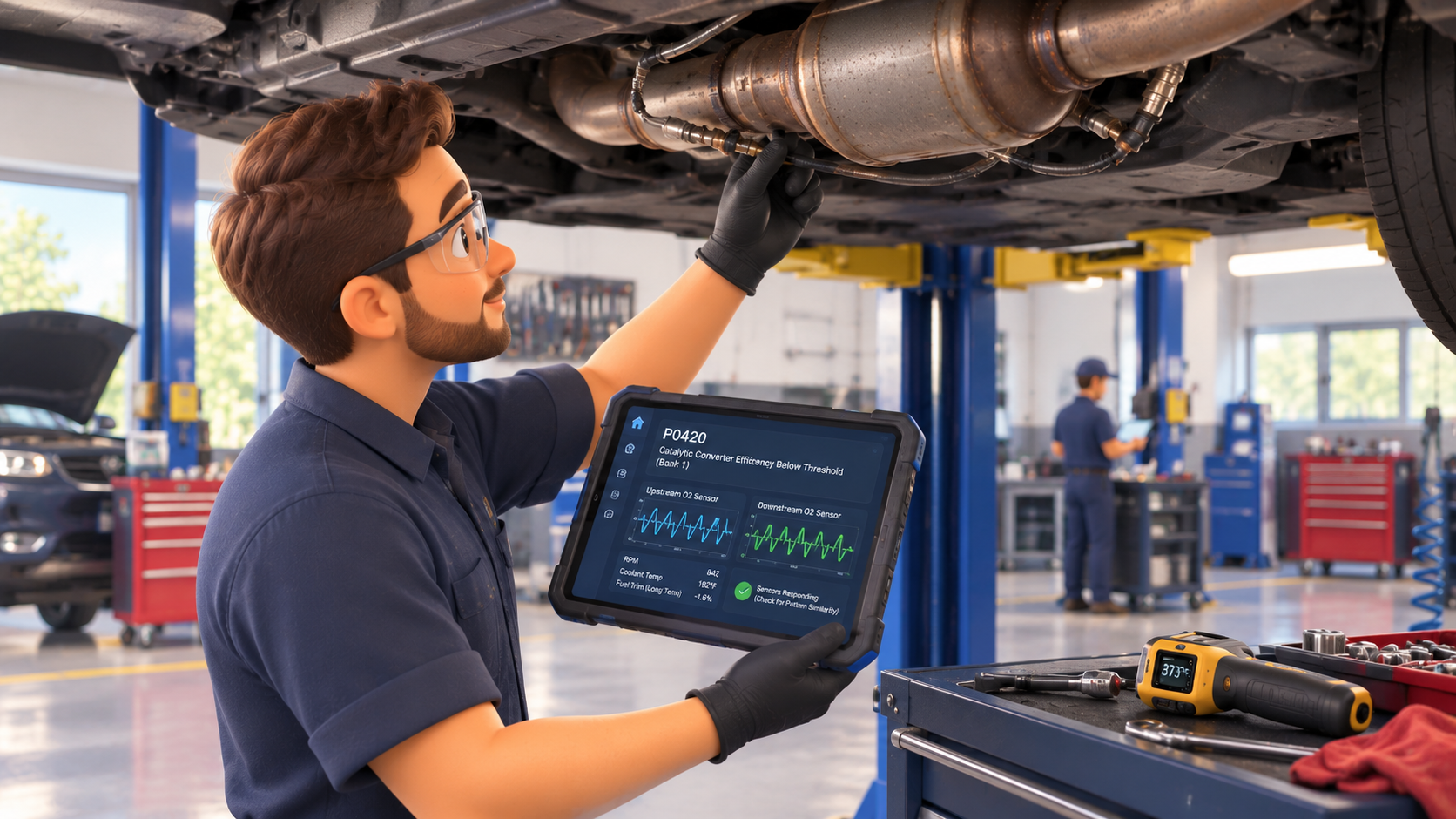
Low light, freezing temps, and road grime all contribute to headlight issues in winter, and that’s probably why it makes up 30% of winter auto repairs. You use your lights longer, so they may burn out. The cold can make traditional halogen and incandescent bulb filaments cold and brittle, causing them to snap easily. Snow and ice can also physically block modern headlights that don’t generate enough heat to melt them off. Repair shops should stock up on enough bulbs, especially the most common types, and enough replacement housing assemblies too.
Wiper motor poblems
Windshield wiper motor failure is one of the top five issues, making up 30% of winter quotes in the YourMechanic analysis, similar to headlight bulb replacement. Overnight snow and ice can freeze wipers to the windshield. If someone turns on their wipers without clearing the ice first, the motor will try to move against the jam, which can burn it out or strip the linkage.
Honorable mention: Batteries
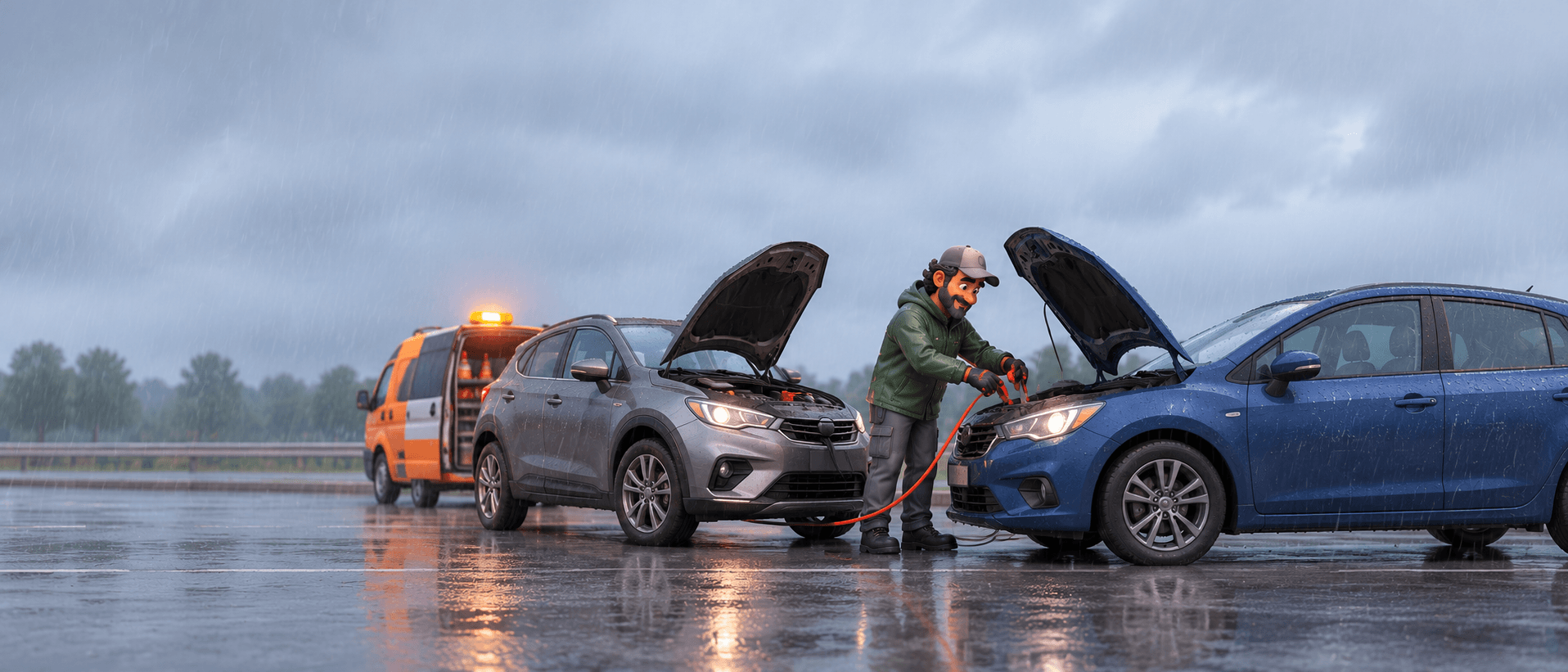
Batteries work best at room temperatures. That’s why a battery that works at 100% capacity at 80°F delivers only 50% of that capacity at 0°F. Consumer Reports recommends having car batteries load-tested every year by a mechanic once they’re four years old in a colder climate. This test tells if it can hold voltage under use.
For shops, this means more customers driving before or at the start of winter to have their batteries checked out. Starting in September, have your service advisor mention this to customers who come in. If your auto shop management system has a way of sending out reminders to your customers, this can be one of them.
How auto shops should ready themselves for winter repairs
- Keep parts in stock: Now that you know what the most common winter repairs are, you also know what you need to keep in stock. The list includes blower motors, heater core parts, oil cooler lines, winter washer fluid, headlight bulbs, and wiper motors with linkage kits.
- Have service advisors recommend a battery load test: A weak battery found in September will be replaced as planned.
- Remind customers through your shop management system: Send the battery check and the winter fluid swap before the first cold week.
- Check oil cooler lines and headlight bulbs at every winter visit: Find a worn line or a dim bulb on a scheduled visit, before it fails.
- Tell customers to clear the glass before switching on the wipers: A quick reminder will help protect their motors and keep you in their good books.