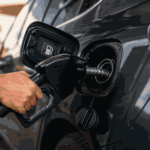
Have you ever found yourself unexpectedly running out of gas? If you haven’t, you might not be driving very often, or maybe you’re one of the lucky folks with an electric car! Running out of gas is something a lot of us experience, which is why many of us like to keep a gas can handy for those unexpected moments. But transporting gasoline isn’t as easy as it might seem. It’s a flammable material that requires some careful handling. So, let’s take a look at how to safely transport gasoline in a gas can.
To make sure that you transport gasoline safely using a gas container, we have shortlisted some easy methods below. These tips will help you safely fill and transport gasoline using a gas container if followed with care. Also, check out websites like Way.com for more car care and safety tips.
Basics on how to use a gas can safely
1. Choosing your gas can
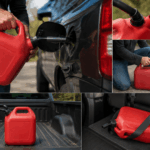
First things first, your gas container should be a proper gas container. It has to be built for the sole purpose of transporting gasoline. Plenty of gas containers is available in the market, with plastic gas cans being the favorite choice among drivers. If you don’t have a gasoline can but have plans to buy a new one, make sure that it’s in good condition.
2. Make sure not to spill the can
A proper gas container is tailor-made to ensure that the gasoline is transported safely. These plastic gas cans have enough safety mechanisms to ensure that they are sealed tightly to prevent leakage. Such gas containers also come with a built-in gas can nozzle that helps deposit the gas into the vehicle’s fuel tank without spillage. If you are transporting gasoline in a random container, there will always be the risk of spillage. Gasoline is highly flammable, and the last thing we need is to have spilled gas stick to your car’s bodywork around the fuel tank
3. Filling up the can
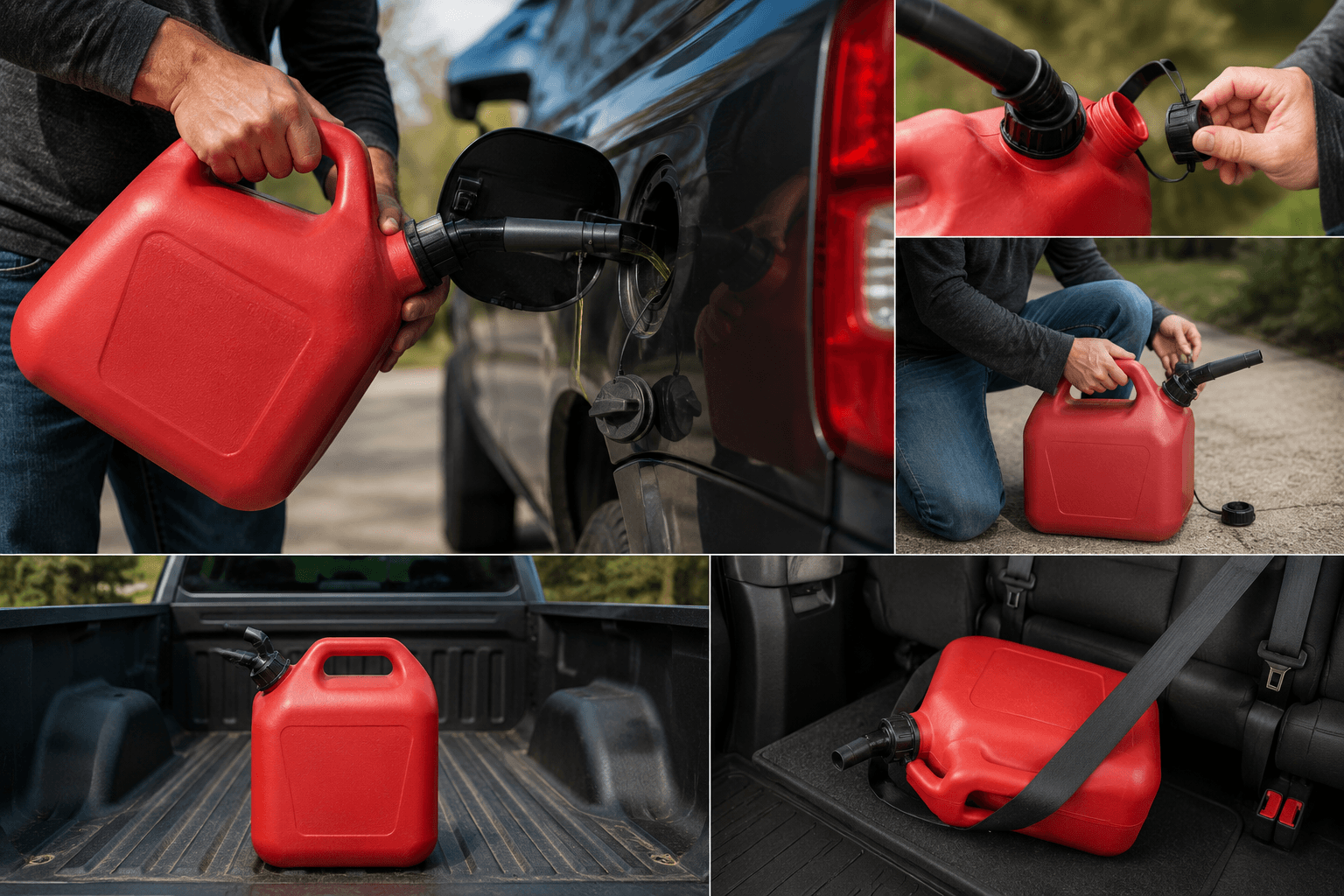
Once you have access to a proper airtight gas container, the next thing you need to do is learn how to fill a gas can. The safest way to do this is by placing an empty gas container on the ground and inserting the fuel pump nozzle into the gas container. It is not safe to place the empty gasoline container on an elevated surface like a carpeted floorboard or truck bed. To be completely safe, make sure that you electrically ground the gas container.
4. Keep the cap safe
Another thing to remember while filling up the gas container is to take care of your gas can cap. It is one of the things that are overlooked when handling gasoline. The last thing you should lose while filling up your gas container is the lid, as it would make the whole process of transporting that much more dangerous. You would also spill lots of gasoline all over the place, which is never good for filling a gas can.
5. Do not fill the gas can up to the brim
Now, this is one of the most important things to remember while filling up the gas container. When it’s 90-95% full, always stop filling a gas container. Never fill the gas container to the brim, as it would certainly cause gas spillage. If you are having difficulties seeing how much of the gas container has been filled because the gas can cause the nozzle or fuel pump nozzle to block your view, stop filling the gas can when it’s 50% full and take it slowly from here onwards. You can also try removing the gas can nozzle of your gas container for better visibility. This will help you stop filling a gas can at 95%.
6. Close the gas can cap tightly
The safest method to minimize gas container spillage is to put the lid of the gas container back on tightly at the ground itself. Often, people fill the gas container on the ground but tend to pick the gas container up before putting the cap back in. This practice should be avoided as picking up the gas container would definitely result in the gas container shaking and causing spillage. It is also best to ensure that the gas can’s cap has been screwed back in tightly. If the lid of the gas container is not screwed in tightly, it can result in gas spillage, which may go unnoticed until you reach your vehicle that ran out of fuel.
7. Place the gas container upright and transport it in a safe environment
Once you do all the steps, the only thing left to do is make sure the gasoline is transported back safely. The best way to ensure this is by placing the gasoline can upright on either the truck bed of your vehicle or in the trunk. If you have a rope to spare, further secure the gas container with either rope or a bungee cord to prevent the gas container from falling over. That’s not all! You need to make sure that the filled-up gas container’s lid is tightly closed. The spot you store it in your vehicle should also not be exposed to the sun or excessive heat on your way back to your vehicle. Exposure to such elements for prolonged durations could cause the stored fuel to catch fire.
TL;DR
Transporting gasoline safely in a gas can be challenging, but it doesn’t have to be stressful if you handle it carefully. To avoid running out of fuel, take steps to plan ahead. While it may happen once or twice, being prepared can help. If you take care when handling gasoline, you should be fine.
If you are buying gas containers for the first time, remember that colors indicate what type of gas they hold. Look for red containers, which are for gasoline. Yellow containers are for diesel fuel, and blue containers are for kerosene.

Renée Martin is a travel and car expert who focuses on road and air travel in the U.S. For the past 6 years, she’s been helping make driving and trip planning easier and budget-friendly for everyday travelers.