Mix premium and regular gas in your tank and the odds are nothing terrible happens. But “nothing terrible” covers a wide range and where your car falls on that range depends on one thing: whether your engine requires premium fuel or just recommends it. With the national average for premium gas sitting above $5.00 a gallon in several states right now, it’s a fair question to ask at every fill-up. Here’s the honest breakdown.
When is it safe to mix premium and regular gas?
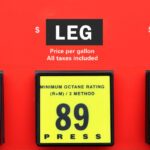
Mixing premium and regular gas is generally safe when your car’s manufacturer only recommends premium but doesn’t require it. The two fuels blend in the tank and produce an average octane level somewhere between the two grades you used. Fill half a tank of 87-octane regular and top it off with 93-octane premium and you’re driving on roughly 90 octane. That’s effectively what midgrade gas is anyway. Most gas stations produce midgrade by blending regular and premium right at the pump.
The key is knowing which word shows up in your owner’s manual. Recommended gives you flexibility. Required does not.
To double-check: look inside your fuel door or crack open the owner’s manual. The required octane level is printed there. If it reads 87 or 89, you’re in the clear to mix. If it reads 91 or higher, keep reading.
What happens if you mix regular gas in a car that requires premium?
Using regular gas (or a mix that averages below the required octane) in a premium-required engine causes the engine to work against itself. Here’s what that looks like in practice:
Engine knock and pre-ignition
Lower-octane fuel has a tendency to ignite before it’s supposed to. The spark plug hasn’t even fired yet and the air-fuel mixture is already burning. That’s pre-ignition and it’s where engine knock comes from: that metallic pinging or rattling sound you sometimes hear under acceleration. Most modern cars have knock sensors that catch it early and tell the ECU to pull back ignition timing before real damage sets in. So you might not hear anything. The car might feel completely normal. But the engine is still running in a compromised state, quietly working around a fuel problem it wasn’t designed to deal with.
Reduced performance and fuel economy
Pulling back ignition timing costs power. That’s just how it works. Mazda actually puts numbers on it: their turbocharged 2.5-liter makes 250 hp on premium and 227 hp on regular. That’s 23 horsepower. Not a small gap. And that’s before you factor in fuel economy, which also takes a hit when the engine is running below its intended octane level. The dollar or two you saved at the pump gets spent back pretty quickly.
Long-term engine wear
Most engines will shake off a bad tank. That’s not the concern. The concern is the driver who makes a habit of it. Premium-required engine, regular gas, fill after fill. Or a mixed tank that keeps landing below the required octane. The stress on pistons, valves and combustion chamber walls is real, it’s just slow. You won’t feel it happening. The engine doesn’t complain. It just wears. And one day something gives.
This can affect the warranty. A lot of people don’t think about it until they’re at the dealership. If your manufacturer specifies premium fuel and your engine develops knock-related damage, the repair doesn’t automatically get covered. Running the wrong fuel grade regularly is the kind of thing that can void that protection fast. The cheaper pump stops looking like a bargain at that point.
What actually happens when you mix premium and regular gas?
The chemistry here is pretty boring, which is actually good news. Mix 87 and 93 octane in equal parts and you get roughly 90 octane in the tank. Mix a quarter tank of 87 with three-quarters of 93 and you’re closer to 92. The two fuels don’t fight each other or separate. They just blend. This is literally how midgrade fuel gets made at most pumps. It’s not stored separately. It gets mixed on the way out of the nozzle.
Now, what that blend actually does depends entirely on your car.
Built for regular gas? Adding premium does nothing useful. The ECU is tuned for 87 octane and has no way to take advantage of the extra octane headroom. You’re paying more and getting the same drive.
Require premium? If the premium and regular gas mix hits your required octane rating, then it’s alright. However, if the mix falls below what your engine needs, the ECU steps in and pulls back ignition timing. Performance drops. You lose power and efficiency. One tank like that is not the end of the world. The engine handles it. But keep filling up with a mix that’s consistently too low and the damage builds up slowly inside the engine. No warning light. No obvious sign. Just wear that shows up later as a repair bill.
Turbocharged engines: Why mixing is riskier
Turbocharged engines are a different conversation. They run at higher compression than naturally aspirated engines, they run hotter and they’re built around the assumption that you’re using premium fuel. The air-fuel mixture gets compressed harder before ignition. Under those conditions, lower-octane fuel pre-ignites more easily and when it does, the knock is worse.
If you drive a turbocharged car, don’t mess around with this. Check the manual. Required or recommended, those two words mean very different things. But even if yours says recommended, premium is the smarter call. The performance gap between premium and regular on a turbo engine is bigger than on a standard car and the risk of repeated engine knock is genuinely higher.
Can you put premium gas in a regular gas car?
Yes. It won’t hurt anything.
It also won’t do anything. Premium gas doesn’t burn cleaner in a regular engine. It doesn’t add power. It doesn’t stretch your fuel economy. The ECU in a standard car isn’t set up to use the extra octane. There’s no mechanism for it to actually help. You’re just paying more at the pump for the same result.
One thing worth clearing up: premium gas does not last longer in the tank than regular. If your car has been sitting for a few months, the octane grade is irrelevant. Stale fuel is stale fuel regardless of what grade it started as.
How to check what fuel your car actually needs
Three places to look and you only need one of them to get the answer.
The fuel door is the fastest. Open it up and check the inside. Most cars have the octane requirement printed right there on a label. Takes five seconds.
The owner’s manual is the most reliable source. If the label inside the fuel door has worn off or you just want to be sure, find the fuel or specifications section. It’ll tell you exactly what the manufacturer requires.
Some cars also display a fuel reminder on the instrument panel near the fuel gauge when you start the engine. Not all of them do it but worth a glance if you’re unsure.
If the label has worn off and you can’t find the manual, look up your vehicle’s year, make, model and engine on the manufacturer’s website. Fuel requirements are also listed on the EPA’s fuel economy website (fueleconomy.gov) for reference.
What to do if you accidentally mixed the wrong fuel
Put regular gas in a premium-required car by mistake? It happens. Here’s what to do:
1. Take it easy while that mixed tank is in use. No hard acceleration, no pushing the engine.
2. Listen for knocking sounds under acceleration. If you hear them, ease up on the throttle
3. Fill up with premium as soon as possible to bring the average octane back up
4. If knocking persists after returning to premium, have a mechanic check the engine
One wrong tank is rarely a serious problem in a modern car. The ECU adjusts. Just don’t make a habit of it.
For older vehicles without sophisticated knock sensors, be more careful. The ECU won’t compensate as effectively and pinging damage can add up faster.
Frequently asked questions about mixing premium and regular gas
Can you mix premium and regular gas in the same tank?
Yes, mixing premium and regular gas in the same tank is safe in most situations. The two fuel grades blend together and produce an intermediate octane level. Whether that blend is appropriate for your engine depends on whether your vehicle requires or only recommends premium fuel.
What happens if you accidentally put regular gas in a premium car?
Probably less drama than you’re expecting. The ECU picks up on the lower octane and pulls back ignition timing before knock can set in. You might notice the car feels a little flat, slightly less responsive, fuel economy maybe ticks down a bit. Nothing catastrophic. One accidental fill-up in a modern car is not the end of your engine. Just get back to premium on the next stop and the octane average in the tank climbs back up where it should be.
Does mixing premium and regular gas damage the engine?
For most modern cars, mixing premium and regular gas once is not a real problem. The ECU picks up the lower octane, adjusts ignition timing and the engine keeps running. Fine. The issue is the person who needs premium and just… keeps using regular. Or a mixed tank that consistently falls short of the required octane, fill after fill. Now the ECU is always compensating. The engine is always working around a fuel it wasn’t tuned for. That kind of wear doesn’t announce itself. It builds in the pistons, the valves, the timing system. Engine knock is the first sign something’s been wrong for a while.
What octane rating do you get when you mix 87 and 93 gas?
Mixing equal parts 87 and 93 octane gives you roughly 90 octane, which is the same as midgrade fuel. The blend is proportional, so a one-quarter tank of 87 mixed with three-quarters of 93 would average out closer to 92 octane.
Is it okay to mix 87 and 91 octane gas?
Yes, mixing 87 and 91 octane is fine for most cars. A 50/50 mix gives you around 89 octane. If your car recommends 91 and you occasionally top off with an 87/91 blend, you won’t cause damage. If 91 is required, try to keep the blend at or above that threshold.
Can I mix premium and regular gas in a turbocharged engine?
It depends on whether premium is required or recommended. Turbocharged engines are more sensitive to lower octane fuel because they run at higher compression. If your turbo engine requires premium, avoid mixing in significant amounts of regular. A small top-off in an emergency is usually fine, but return to premium as soon as possible.
Will mixing gas grades affect my fuel economy?
If your engine requires premium and you’re running it on a lower octane blend, yes, it will. The ECU pulls back ignition timing to keep knock from happening and that costs you. Power drops a little. Efficiency follows. You probably won’t feel it on one tank. Do it every fill-up though and the difference in fuel economy starts showing up in how often you’re stopping at the pump.
If your car runs on regular and you accidentally threw some premium in, don’t worry about it. There’s no meaningful shift in fuel economy either way. The engine wasn’t built to take advantage of the higher octane so it just burns it like it would any other tank.
Does premium gas last longer than regular gas?
No. Premium gas does not last longer in a fuel tank than regular gas. Fuel grade has nothing to do with shelf life. Both degrade at a similar rate when stored and gas left sitting for more than a few months can go stale regardless of octane level.
What cars require premium gas?
Many high-performance, luxury and turbocharged vehicles require premium fuel. Common examples include most BMW, Mercedes-Benz, Audi and Porsche models, along with performance versions of mainstream vehicles like the Ford Mustang GT500, Chevrolet Camaro SS and Honda Civic Type R. Always check the owner’s manual for your specific trim and engine.
Can mixing gas grades void my car’s warranty?
If your owner’s manual clearly states that premium fuel is required and the engine develops knock-related damage from running lower octane fuel, the manufacturer may deny a warranty claim. Using the wrong fuel grade regularly creates an unnecessary risk. One accidental tank is unlikely to be an issue, but repeated use of the wrong grade with documented damage is a different story.
What is midgrade gas and how is it different from mixing at home?
Most people assume midgrade gas comes out of its own underground tank. It doesn’t. The pump blends regular and premium on the spot to hit that 88-90 octane range. So when you mix the two grades yourself at home, you’re doing the same thing, just without the calibrated equipment. The result is essentially identical. If your engine calls for 89 octane and you’re at a station that only offers 87 and 93, a 50/50 mix gets you there. It’s not perfect but it’s close enough for a tank.
What should I do if my engine is knocking after mixing gas?
First, don’t keep pushing it. Ease off the accelerator, avoid hard acceleration and get to a proper fill-up with the correct premium grade as soon as you can. Topping up with premium raises the overall octane in the tank and usually settles things down. If the pinging or knocking carries on after that, don’t ignore it. A knock that sticks around after you’ve corrected the fuel grade isn’t just a fuel grade problem anymore. Could be timing, could be something else. Get a mechanic to look at it. The longer you leave engine knock, the more it costs to fix.

Aaron Marshall grew up in a house where cars were never just transportation. Weekend projects, road trips, heated opinions on engine specs at dinner. That stuff never left him. He joined Way in 2023 and has been writing about cars and what it actually costs to own one ever since.