Hearing your brakes grinding when you slow down can be alarming. It may indicate worn brake pads, damaged rotors, or a problem with the brake calipers. Unlike a light squeak, a grinding noise often signals a problem that needs prompt attention.
If your brakes are grinding, avoid ignoring the sound or continuing to drive as usual. Understanding the cause can help you decide whether your vehicle needs an inspection, brake repair, or immediate towing.
What Does It Mean When Your Brakes Are Grinding?
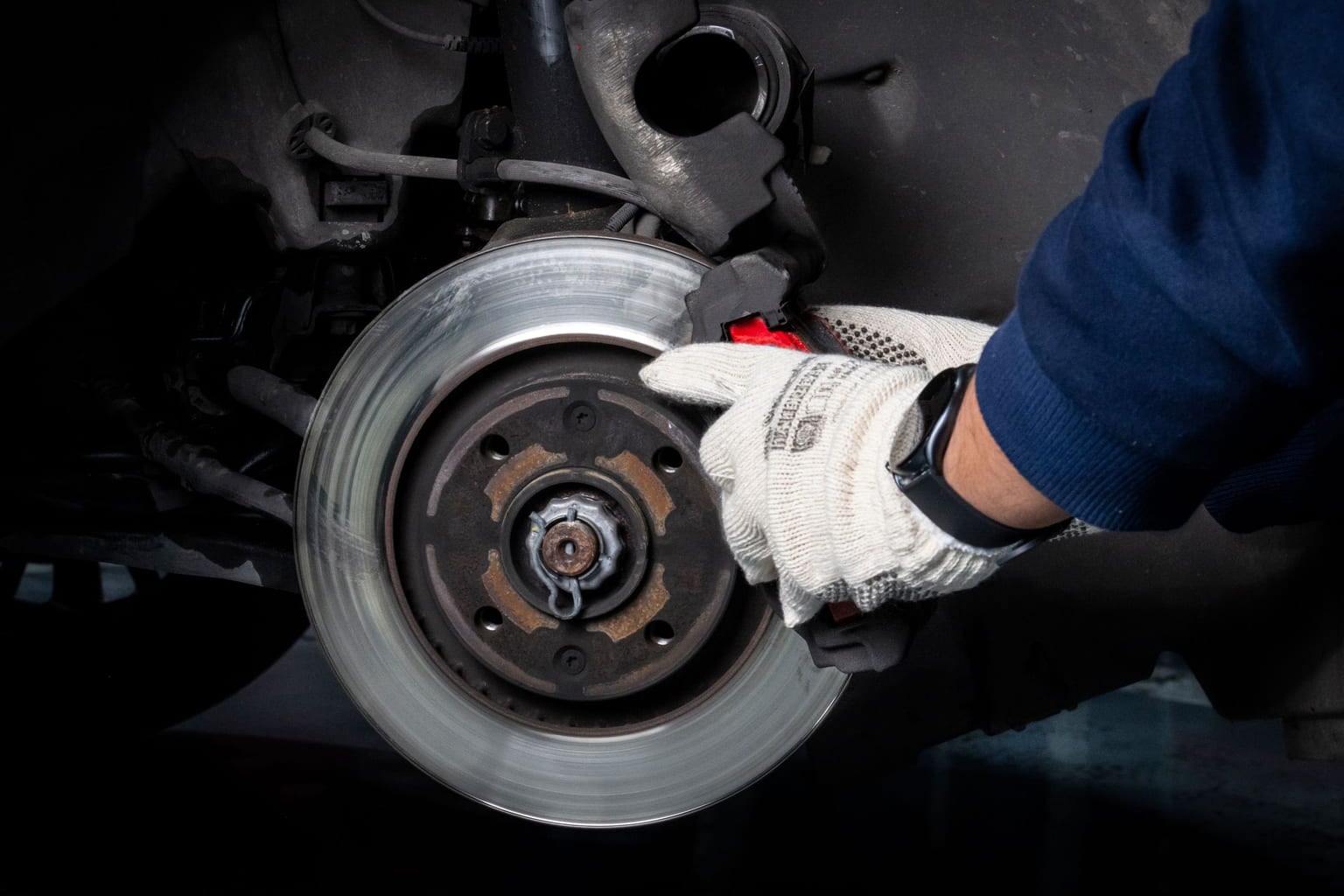
Grinding brakes usually mean two metal surfaces are rubbing against each other. This often happens when the friction material on your brake pads wears away, allowing the metal backing plate to contact the rotor.
However, worn brake pads are not the only possible cause. Rust, debris, damaged rotors, and stuck brake components can also create grinding sounds.
Pay attention to when the noise occurs. Grinding while pressing the brake pedal may point to a different issue than a noise that continues while driving without braking.
6 Common Reasons Why Your Brakes Are Grinding
1. Completely Worn Brake Pads
Worn brake pads are one of the most common causes of grinding noises. Brake pads use friction material to slow down your vehicle. Over time, this material becomes thinner through regular use.
When the friction material wears away completely, the metal backing plate can scrape against the brake rotor. This creates a harsh grinding sound and can damage the rotor.
Other warning signs include:
- Longer stopping distances.
- A metal-on-metal sound when braking.
- Reduced braking performance.
- Visible wear on the brake pads.
Do not delay an inspection if you hear grinding. Replacing the pads early can help prevent more extensive brake damage.
2. Damaged or Warped Brake Rotors
Brake rotors are metal discs that rotate with your wheels. The brake pads press against them to slow the vehicle.
Over time, rotors can develop deep grooves, cracks, corrosion, or uneven surfaces. These problems can create grinding noises and vibrations when you apply the brakes.
A damaged rotor may also cause the brake pedal or steering wheel to vibrate during braking.
Depending on the rotor’s condition, a mechanic may recommend resurfacing or replacement.
3. Debris Stuck Between the Brake Pad and Rotor
Small stones, dirt, and road debris can become trapped between the brake pad and rotor.
When this happens, the debris may scrape against the rotor as the wheel turns. You might hear a grinding or scraping noise even when you are not pressing the brake pedal.
Sometimes, the noise disappears after the debris falls out. However, persistent noise needs an inspection because debris can scratch the rotor or damage other brake components.
4. Stuck or Damaged Brake Calipers
Brake calipers apply pressure to the brake pads when you press the pedal. If a caliper sticks, it may keep the pads pressed against the rotor even after you release the brake pedal.
This can create constant friction and excess heat.
Watch for these symptoms:
- Grinding or scraping sounds.
- A burning smell near a wheel.
- Your vehicle pulling to one side.
- Excessive heat around one wheel.
- Uneven brake pad wear.
A sticking caliper needs professional attention because it can affect braking performance and damage nearby components.
5. Rust on the Brake Rotors
A thin layer of surface rust can develop on brake rotors when a vehicle sits unused or stays exposed to rain and moisture.
You may hear a brief scraping or grinding noise during the first few brake applications. In many cases, normal braking removes the surface rust.
However, heavy corrosion or persistent grinding can indicate a more serious problem. A mechanic should inspect the rotors if the sound does not go away.
6. Loose or Damaged Brake Hardware
Brake pads, clips, shims, and other hardware help keep the braking system working correctly.
If these parts become loose, worn, or damaged, they may cause unusual sounds during braking. A loose component can also allow excessive movement around the brake assembly.
A mechanic can inspect the hardware and replace any damaged parts.
Is It Safe to Drive With Grinding Brakes?
In most cases, you should not continue driving with grinding brakes.
A grinding noise can mean the brake pads have worn down to their metal backing plates. At this stage, the vehicle may have reduced braking performance, and continued driving can damage the rotors.
The risk becomes greater if you also notice:
- A soft or unusually hard brake pedal.
- Longer stopping distances.
- Strong vibrations when braking.
- A burning smell near the wheels.
- Your vehicle pulling sharply to one side.
If braking feels reduced or unpredictable, pull over somewhere safe and arrange a tow. Do not drive the vehicle to a repair shop if you cannot stop safely.
Even if the vehicle still stops normally, arrange an inspection as soon as possible.
Grinding vs. Squeaking: What’s the Difference?
Not every brake noise means the same thing. Understanding the difference can help you recognize how urgent the problem may be.
| Brake Noise | Possible Cause | Recommended Action |
|---|---|---|
| High-pitched squeaking | Worn pads or brake dust | Schedule an inspection |
| Brief scraping after rain | Surface rust | Monitor whether it clears |
| Continuous grinding | Metal-to-metal contact or debris | Arrange prompt inspection |
| Grinding with vibration | Damaged or uneven rotors | Get the brake system checked |
| Grinding with pulling | Stuck caliper or uneven braking | Stop driving if control is affected |
A squeak can sometimes come from moisture or pad materials. Grinding deserves more attention because it may indicate direct contact between metal components.
What Should You Do When Your Brakes Start Grinding?
Follow these steps if you notice a grinding noise.
- Reduce speed carefully: Avoid sudden braking and maintain a safe distance from other vehicles.
- Find a safe place to stop: If the noise is severe or braking feels different, pull over safely.
- Check for warning signs: Look for smoke, burning smells, fluid leaks, or visible wheel damage without touching hot components.
- Arrange a brake inspection: Ask a qualified mechanic to check the pads, rotors, calipers, and related hardware.
- Follow the repair recommendation: Replace worn or damaged parts before returning to normal driving.
Avoid trying to fix grinding brakes with household lubricants or by spraying products into the brake assembly. Brake components need the correct parts and service procedures.
How Can You Prevent Brake Grinding?
Regular brake inspections can help identify wear before it causes serious damage.
Here are a few practical ways to maintain your braking system:
- Check brake pads during routine maintenance.
- Pay attention to new sounds when slowing down.
- Avoid unnecessary hard braking.
- Keep brake components free from excessive dirt and debris.
- Have damaged rotors and sticking calipers inspected promptly.
- Follow your vehicle manufacturer’s maintenance schedule.
You can also learn about the risks of continuing to drive with worn pads in our guide to driving with worn brake pads.
Final Thoughts
Grinding brakes are a warning sign that drivers should take seriously. Worn brake pads, damaged rotors, stuck calipers, and trapped debris can all create this noise.
Do not wait for the sound to become louder or your braking performance to decline. Arrange a professional inspection and address the problem before it causes further damage.
When your vehicle needs attention, Way’s auto repair service helps you find repair shops, compare available services, and book vehicle maintenance.
Related guides
- Driving with Worn Out Brake Pads: Risks and Warning Signs
- Bad Brake Caliper Symptoms: Signs You Need Brake Service
- Brake Shoes vs. Brake Pads: What’s the Difference?
Frequently Asked Questions
Can grinding brakes cause an accident?
Yes. Grinding can indicate serious brake wear or damage. If braking performance declines, your ability to stop safely may be affected.
Why do my brakes grind when I first start driving?
Moisture can create a thin layer of rust on the rotors while your vehicle sits. A brief scraping noise may disappear after a few brake applications. Persistent grinding needs an inspection.
Do I need new rotors if my brakes are grinding?
Not always. A mechanic must inspect the rotor’s thickness and surface condition. Deep grooves, cracks, or severe metal damage may require replacement.
Can new brake pads make grinding noises?
New pads should not produce persistent grinding. A trapped object, incorrect installation, damaged rotor, or hardware issue may cause unusual sounds after brake service.
How long can I drive with grinding brakes?
There is no safe mileage estimate. The damage and braking risk can increase with every trip. Arrange an inspection promptly and use a tow if braking feels unsafe.
Should I replace brake pads and rotors together?
It depends on their condition. If the rotors remain within the manufacturer’s specifications and have no serious damage, a pad replacement may be enough. Otherwise, both may need replacement.
Get 10% off in the Way App in the Way App!

- Scan and get the Way App Download the Way App
- Log in to your account
- Use code FIRST10 at checkout