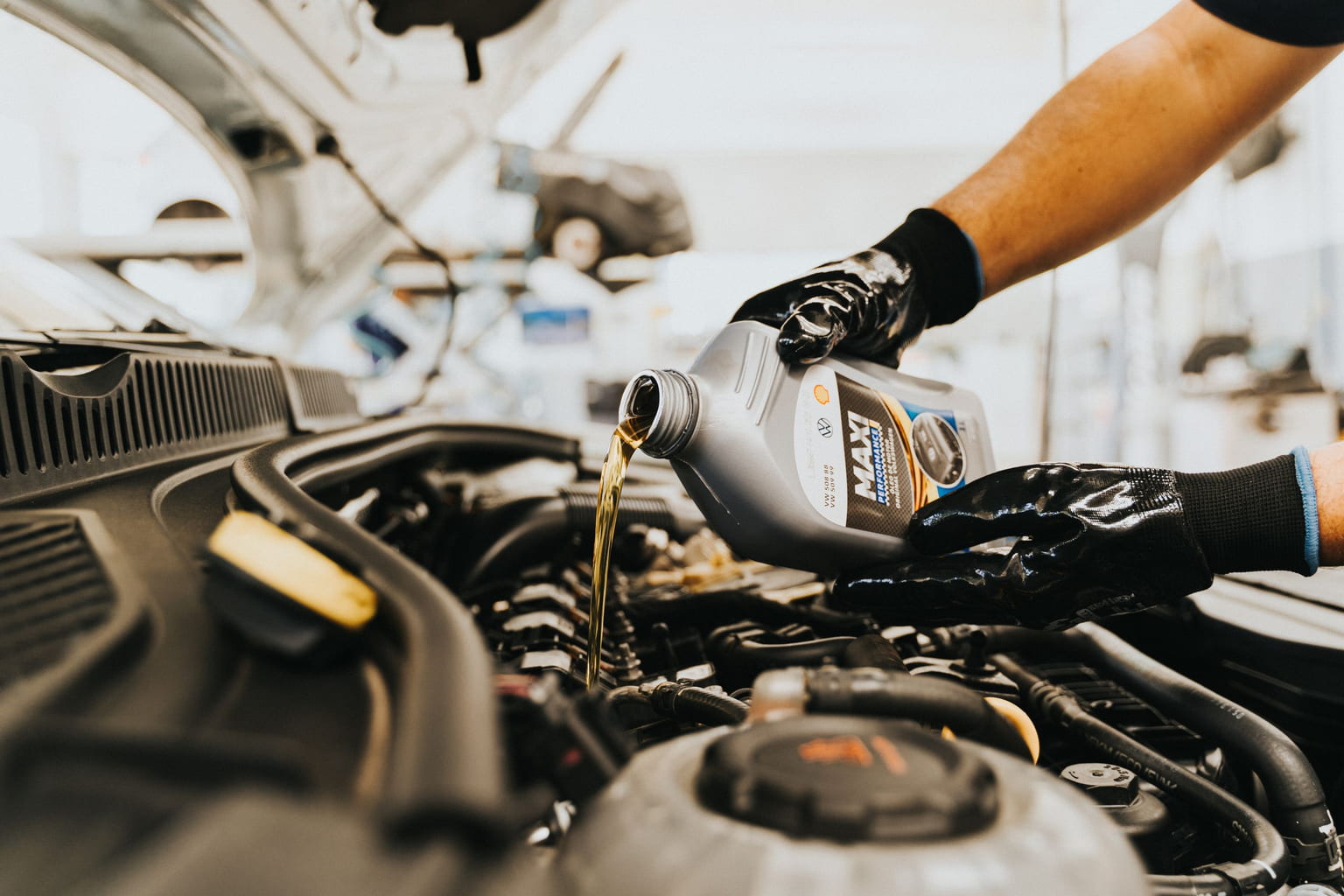
You check the dipstick and it’s down a quart. Again. You crawl around, peek under the car, and the driveway is spotless. So where’s the oil going? It’s a maddening problem, and a common one. A car losing oil but no leak to show for it usually isn’t a mystery of the paranormal kind. The oil’s going somewhere you can’t see, most often into the engine itself. Here’s how to figure out where, what counts as normal, and when it’s time to hand the keys to a mechanic.
Quick answer
Your engine’s probably burning it. Oil slips past worn piston rings or valve seals and burns with the fuel, so nothing drips. Other culprits include a clogged PCV valve or a leak that drips onto hot parts and vaporizes. Check the dipstick every couple of fill-ups, and watch for blue smoke.
Car Losing Oil but Not Leaking: Is It Actually Normal?
Sometimes, yes. Every engine uses a little oil. Piston rings never seal perfectly, so a thin film of oil stays on the cylinder walls and burns off with each combustion cycle. Nothing’s broken. That’s just how engines work.
The question is how much. Carmakers don’t agree. Some say a quart every 1,000 miles or so is acceptable. Others allow more, and a few are stricter. Your owner’s manual or the dealer can tell you where your engine’s limit is. Engine oil consumption also rises with mileage, hard driving, towing, and short trips, and turbocharged and direct-injection engines tend to use more than older designs.
So a quart between changes on a ten-year-old car? Probably fine. A quart every few hundred miles? Not fine. For more on routine upkeep, browse Way’s maintenance guides.
Why Is My Car Burning Oil? The Usual Suspects
Two culprits show up over and over.
The first is worn piston rings. Their job is to scrape oil off the cylinder wall and keep it out of the combustion chamber. Over the years, they wear, and oil creeps past. It burns along with the fuel, and you lose oil without a drop hitting the ground. You’ll often see faint blue-gray smoke from the tailpipe when you accelerate.
The second is valve stem seals, small rubber parts that keep oil from running down the valve guides. When they harden and crack, oil seeps into the cylinders while the car sits. Start it in the morning and you get a puff of blue smoke that fades after a few seconds. It’s a classic sign, and it usually means the seals are tired, not that the engine’s dying.
High mileage makes both more likely. So does going long between oil changes, since dirty oil is harder on seals and rings.
Where Else Oil Can Go
Burning isn’t the only route. That’s where low oil but no leak gets confusing.
A clogged PCV valve is a cheap one. The valve vents pressure from inside the engine. When it sticks, pressure builds up and forces oil past seals, or pulls it into the intake where it burns. A bad turbocharger can drain oil through worn seals, sending it into the intake or exhaust. A failing head gasket can let oil mix with coolant or the other way around, and that one’s serious. Milky oil on the dipstick, or coolant that keeps disappearing, points to it.
Then there are leaks that don’t look like leaks. A weeping valve cover gasket can drip onto a hot exhaust manifold and burn off before it ever reaches the ground. You’ll smell it, maybe see a wisp of smoke from the engine bay, but you won’t find a puddle.
If the dipstick is nearly dry, don’t drive. Pull over and call roadside assistance. A tow beats a seized engine.
Causes at a Glance
| Cause | Telltale sign | How serious |
|---|---|---|
| Worn piston rings | Steady blue-gray smoke when accelerating | Serious, costly |
| Worn valve stem seals | Puff of blue smoke at startup | Moderate |
| Clogged PCV valve | Rough idle, oil in the intake, seal leaks | Minor, cheap fix |
| Turbocharger seal failure | Blue smoke, whining noise, oily intake pipes | High |
| Head gasket failure | Milky oil, coolant loss, white smoke | Urgent |
| Leak onto hot exhaust | Burning smell, wisps of smoke, oily underside | Moderate |
| Overfilled or too-thin oil | Oil in the air intake, fast consumption after a change | Easy fix |
How to Measure What You’re Losing
Guessing won’t get you far. Numbers will. It’s a simple test.
-
Start with the oil at the full mark, either after a fresh change or by topping up carefully.
-
Write down your odometer reading.
-
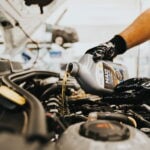
Check the oil every 500 miles or so. Same spot, level ground, same wait time after shutting the engine off.
-
Write down each reading, and how much oil you add.
-
After 1,000 to 2,000 miles, work out how much you’re using per 1,000 miles.
-
Compare that to what your manual or dealer says is acceptable.
That’s your engine oil consumption number, and it beats any guess. If you’ve got low oil but no leak and the number’s above spec, you’ve got something to take to a shop. A mileage tracker makes the odometer part easy to keep straight.
Signs It’s Getting Worse
Burning oil doesn’t always announce itself, but there are clues. Blue-gray smoke from the tailpipe, especially on startup or hard acceleration. A burnt smell after you park. Spark plugs that come out oily or fouled. Rough running, hesitation, or a check engine light from misfires. And a dipstick that keeps needing more than it used to.
Don’t ignore it. Oil that burns in the engine also travels into the exhaust, where it can coat and clog the catalytic converter. That’s a costly repair, and it can make the car fail an emissions test. Running low on oil also risks damaging bearings and other parts. If you’re topping off more often than before, that’s a signal, not a quirk.
What It Costs to Fix
The bill depends on the cause. It ranges from a few dollars to a few thousand. These are rough U.S. estimates and they vary by vehicle and shop.
| Repair | Typical cost |
|---|---|
| Oil and filter change | $40 to $130 |
| PCV valve replacement | $20 to $150 |
| Valve cover gasket | $150 to $600 |
| Valve stem seals | $500 to $1,500 |
| Head gasket | $1,000 to $2,500+ |
| Turbocharger replacement | $1,000 to $3,000+ |
| Piston rings or engine rebuild | $2,500 to $5,000+ |
| Replacement engine | $3,000 to $7,000+ |
Big range, right? That’s why catching it early pays. If you’re weighing a repair against the total cost of keeping a car, Way’s ownership costs breakdown gives useful context.
Can You Keep Driving? Things to Try First
Often, yes, if you stay on top of it. A car losing oil no leak, one quart at a time, can sometimes be managed for a good while. But you’ve got to check the level regularly, and never let it drop below the low mark. Keep a quart in the trunk.
A few cheap things are worth trying. Confirm you’re using the viscosity your manual calls for, since oil that’s too thin burns off faster. Have the PCV valve checked, because it’s one of the least expensive fixes. Make sure the last oil change didn’t overfill the engine. Some drivers switch to a high-mileage oil, which contains additives aimed at swelling old seals, though results vary.
If you keep wondering why is my car burning oil despite all that, get a diagnosis. And check for open recalls while you’re at it. NHTSA’s Vehicle Safety Recalls Week page recommends checking at least twice a year, and any recall repair is free.
Buying a Used Car? Ask About Oil
A car that burns oil is a common used-car headache, and sellers don’t always mention it. Ask for service records. Look for regular oil changes. On the test drive, start the engine cold and watch the tailpipe for a blue puff. Check the dipstick before and after.
Better yet, get an independent inspection before you commit. Way’s buyers guide covers what to look for when you’re shopping.
When you pick a shop for an engine diagnosis, ask about credentials. ASE offers an Engine Repair (A1) certification for technicians who diagnose and repair engines, so it’s fair to ask whether the person working on your car holds it.
Bottom Line
Empty driveway, low dipstick. It’s annoying, but it’s also useful information. A car losing oil but not leaking isn’t hiding anything you can’t track down. Measure it, watch for smoke, and don’t let the level drop below the mark. When the numbers or symptoms say something’s wrong, get it checked before a small problem gets expensive. You can compare and book auto repair through Way.com and let a shop take a look.
Related guides
- How to Check Oil: A Step-by-Step Guide
- Oil Light on the Dashboard: What It Means and What to Do
- Why Is My Car Overheating? Causes, Warning Signs, and What to Do
Frequently Asked Questions
1. Is it normal for a car to lose oil with no leak?
A little, yes. Engines burn small amounts as part of normal operation. Many carmakers say up to about a quart per 1,000 miles is acceptable, but limits vary. Check your manual.
2. Why is my car burning oil all of a sudden?
A sudden jump often points to a clogged PCV valve, failed valve stem seals, or a turbo problem. Overfilling and thin oil can do it too. Check the dipstick and get a diagnosis.
3. How much engine oil consumption is too much?
More than the limit in your owner’s manual. As a rough guide, needing a quart every few hundred miles is a red flag on most cars. Track it over 1,000 miles to get a real number.
4. What causes low oil but no leak on the ground?
Usually it’s burning inside the engine through worn rings or seals, or it’s leaking onto hot parts and vaporizing. A bad PCV valve, turbo seals, or head gasket can do it too.
5. Will thicker oil stop it?
Sometimes it slows the loss, but it isn’t a fix. Use the grade your manual specifies, since the wrong viscosity can cause other problems. A shop can tell you whether a different oil makes sense.
Get 10% off in the Way App in the Way App!

- Scan and get the Way App Download the Way App
- Log in to your account
- Use code FIRST10 at checkout