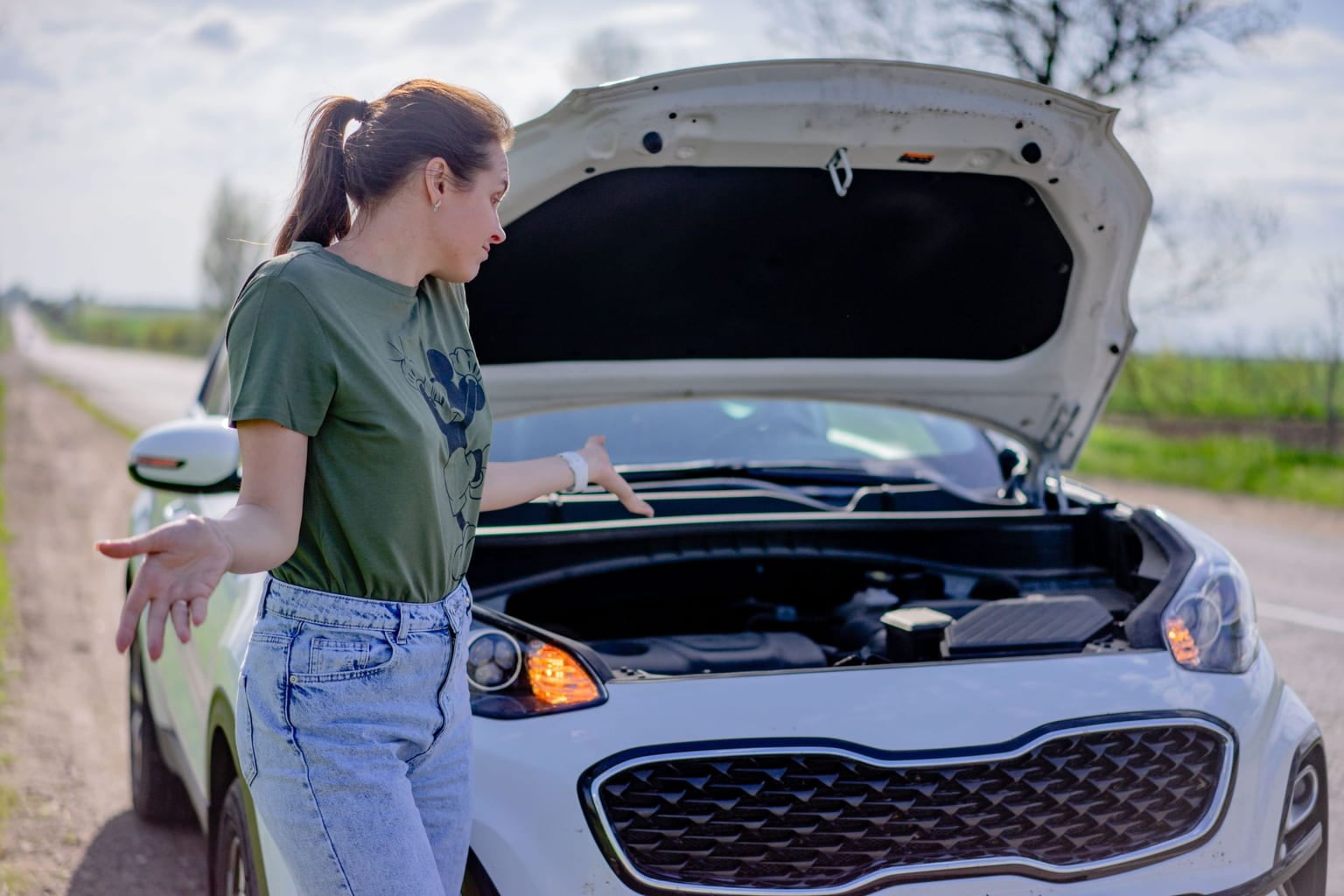
You’re driving along and the needle creeps past where it normally sits. Maybe there’s a thin curl of steam off the hood too, or a smell you can’t quite place. Now you’re wondering if you should pull over right now or if it’s fine to just get home first.
Here’s the honest answer: if your car is overheating, don’t wait to find out. Turn off the A/C, crank the heater, and get off the road as soon as it’s safe. Shut the engine off, give it at least 30 minutes before touching anything under the hood, then check the coolant. Push through it instead, and a $150 hose repair can turn into a $3,000 engine job by the time you get home.
What actually causes this varies a lot, from a $20 radiator cap to a head gasket that costs more than most people’s rent. Here’s how to tell which one you’re dealing with, and what to do about it right now.
Warning Signs Your Car Is Overheating
Engines usually give you some warning before they fail outright. The trouble is a lot of these signs look small enough to shrug off, at least for a little while.
-
The temperature gauge sitting above its usual spot, or drifting toward “H” or the red zone
-
A thermometer-shaped warning light on the dash
-
Steam rolling off the hood (a thicker, oilier smoke is a different problem, usually oil hitting something hot)
-
A sweet, syrupy smell, which is coolant leaking somewhere
-
Burning rubber, often a slipping belt
-
The engine feeling sluggish or running rough, sometimes on purpose, since some cars throttle back power once things get too hot
-
The heater blowing cold air even though the gauge says otherwise
-
A green, orange, or pink puddle where you parked
If the check engine light comes on at the same time as the heat warning, don’t assume it’s just the overheating. Have the code read before deciding it’s nothing, and if the light is flashing rather than steady, stop and read this first.
Timing tells you something too. Overheating in stop-and-go traffic, but fine once you’re moving, usually points to a weak fan, low coolant, or a sticking thermostat. Overheating at highway speed instead means a clogged radiator or a tired water pump is more likely. Mention which one it is when you call a shop. It saves everyone time.
What to Do Right Now
Work through this in order. You’ve got more time than it feels like.
-
Turn off the A/C. Heater on full blast. It feels backwards, but the heater core works like a second radiator, pulling heat off the engine and into the cabin instead. Crack a window and deal with it for a few minutes.
-
Get off the road. A flat shoulder, a parking lot, an exit ramp, anywhere away from traffic. Hazards on.
-
Shut the engine off. Idling with the needle in the red doesn’t help anything.
-
Wait at least 30 minutes, longer on a hot day. You can pop the hood latch from inside, but keep your hands and face back until the steam stops completely. Never touch the radiator cap while it’s hot. NHTSA has actually studied scald injuries tied to people opening pressurized caps too soon, and the numbers aren’t small.
-
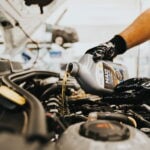
Check the coolant reservoir once it’s properly cool. Low? Add a 50/50 mix slowly into the reservoir. Only top up the radiator itself if your owner’s manual says to, and only once the engine is completely cold. Plain water works if that’s genuinely all you’ve got, but get the system flushed properly afterward. While you’re under there, look for a leak, a snapped belt, or a collapsed hose.
-
Decide: drive or tow. Level was only a bit low, gauge back to normal, no steam or puddle? A short, careful drive to a shop is reasonable. If it climbs again, or you can’t tell what’s wrong, don’t gamble on it. Roadside assistance through Way exists for exactly this.
A few things worth avoiding entirely: don’t keep driving on a hot gauge, even for a few miles. Don’t open the radiator cap right away. Skip pouring cold water on a hot engine, since the shock can crack metal. And don’t treat a coolant top-off as the fix. Coolant doesn’t disappear without a reason, and finding that reason is the actual repair.
What’s Actually Causing It
The cooling system works as a loop. Coolant absorbs heat from the engine, the water pump keeps it moving, the radiator releases that heat, and the thermostat and fan manage the timing. Break one link, and the rest can’t keep up for long.
| Cause | What you’ll notice | Typical repair cost* |
|---|---|---|
| Low coolant or a leak | Sweet smell, puddles, rising gauge | $100–$350 |
| Stuck thermostat | Overheats right after start-up | $150–$400 |
| Failing water pump | Squealing, leak near front of engine | $400–$900 |
| Bad radiator fan | Overheats at idle, fine at speed | $300–$800 |
| Clogged radiator | Overheats at highway speed | $500–$1,200 |
| Worn belt or cracked hose | Sudden spike, coolant loss | $100–$350 |
| Blown head gasket | White exhaust smoke, milky oil | $1,500–$3,500+ |
*Rough US figures. Your vehicle, shop, and region will move these.
The pattern’s pretty simple once you see it: catch a leak early and you’re out a couple hundred dollars. Ignore it for a few months and you might be looking at a head gasket instead. That gap is also worth checking against your policy. Way’s auto insurance sometimes covers towing tied to a breakdown, and it’s better to know that before you’re stuck on a shoulder finding out.
Getting It Fixed
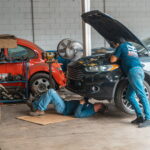
A coolant top-off buys you time, not an answer. A shop that does this properly pressure-tests the system and checks the thermostat, fan, and water pump to find what actually failed.
Ask if the tech is ASE-certified before handing over the keys. It’s a decent filter for finding someone who knows cooling systems instead of swapping parts and hoping.
Also worth doing: run your VIN through NHTSA’s recall lookup. Certain models have had cooling-related recalls, and those repairs are free.
Small stuff, like a radiator cap or a coolant top-off, is fair DIY territory. Way’s DIY hub is a decent place to start if you’d rather handle it yourself. Water pumps, radiators, and head gaskets are a different level of job, best left to a pro.
How Way Makes This Easier
Once you know what’s actually wrong, finding somewhere to get it fixed shouldn’t be its own headache. You can compare and book trusted shops through Way Auto Repair, with access to a nationwide network of garages and mobile mechanics, plus cashback when you upload your service receipt.
If your car overheated because of something that also caused body damage, say a collision that cracked the radiator, Way’s car damage repair guide walks through that separate process. And if you’re just trying to get a broader sense of what repairs like this typically cost against total ownership, the average cost of owning a car is worth a look too.
Keeping It From Happening Again
None of this takes much time or money. Check the coolant reservoir once a month with the engine cold. Glance at the ground where you park for fresh drips. Look over hoses and belts for cracking or bulging instead of a quick glance while rushing somewhere. Stick to the flush schedule in your manual. Keep oil changed on time, since it does more cooling work than people give it credit for. And don’t ignore a gauge running a little high. “A little high” turns into “in the red” faster than most people expect.
Conclusion
So, why is your car overheating, and what do you actually do about it? Kill the A/C, heater on, pull over, and give it time. Then find out why before the key goes back in. Most causes here are cheap to fix if you catch them early and expensive if you don’t, and the difference usually comes down to how fast you act in that first hour.
If your car’s overheated even once, get it checked, even if it seems fine now. When you’re ready for a real diagnosis instead of a guess, you can book a repair through Way and get it looked at properly.
Related guides
- Why Does My Car Overheat When the A/C Is On?
- Check Engine Light Flashing: Causes, Risks, and What to Do
- Why Is My Car Losing Oil but Not Leaking? Common Causes
Frequently Asked Questions
Can I drive my car if it’s overheating?
No. Pushing through it can warp the cylinder head, blow the head gasket, or crack the block. Pull over, shut it off, let it cool. If the gauge reads normal afterward, a short drive to a shop is fine. If it climbs again, call for a tow.
How long should I wait before opening the hood?
At least 30 minutes, longer on a hot day. You can release the hood latch sooner, but stay away from the radiator cap until any steam has fully stopped.
Why is my car overheating even though the coolant looks fine?
A full reservoir doesn’t guarantee good circulation. A stuck thermostat, failing water pump, dead fan, clogged radiator, trapped air, or head gasket issue can all overheat an engine that’s sitting on plenty of coolant.
How much does it typically cost to fix an overheating car?
Depends entirely on the cause. A cap or hose might run $100 to $350. Thermostats and fans land in the low hundreds. Water pumps and radiators cost more, and a head gasket can top $1,500. Get a written estimate before agreeing to anything.
Can low engine oil cause a car to overheat?
Yes. Oil doesn’t just lubricate, it carries heat away from moving parts too. Run it low and friction climbs, along with the heat. Check your oil level as part of any overheating inspection, but don’t treat a top-off as the fix on its own.
Get 10% off in the Way App in the Way App!

- Scan and get the Way App Download the Way App
- Log in to your account
- Use code FIRST10 at checkout