Your boarding pass is on your phone. Your bag is packed. The shuttle pulls up in two minutes. Then a small thought creeps in. Your car is about to sit alone for a week, and you have never met the people watching it.
That worry is fair. A car is often the second biggest purchase a person makes. Now you are handing it to a lot you have never seen. The good news is that airport parking security is easier to judge than most people think. Way.com gives you a way to compare parking options before you leave your car behind. You do not need technical knowledge. You only need to know what to look for, plus a few habits before you walk away.
This guide covers the features that make a lot safe and the red flags worth avoiding. It also gives you a ten-minute routine for your own car. You will get a plan for problems on return, too.
Why Airport Parking Security Deserves a Few Extra Minutes
Car theft is falling in the United States. The National Insurance Crime Bureau (NICB) tracks this closely. Its data shows thefts falling from about 1.02 million in 2023 to roughly 660,000 in 2025. That is real progress. It is also still a lot of stolen cars.
NICB has warned drivers not to get comfortable, because theft networks keep changing their methods. Airport lots add a few risks of their own. Cars sit untouched for days. Owners are in another city. A broken window can go unnoticed until the trip is over.
Lots also differ a great deal. One may have a fence, a gate arm, and an attendant in a booth. Another may be a gravel yard with one camera aimed at the road. Both can call themselves “secure.” The word alone tells you nothing.
Many travelers assume airport-run garages always beat off-site lots. That is not a fixed rule. Airport garages usually have patrols and camera coverage. Off-site lots depend on the operator. The choice between onsite and offsite airport parking comes down to the quality of the specific lot, not its address.
Five Security Features Every Good Lot Should Have
Every lot says it is safe. Ask for proof of these five things before you book. Most operators list them on their page. If a lot lists none, treat that as your answer.
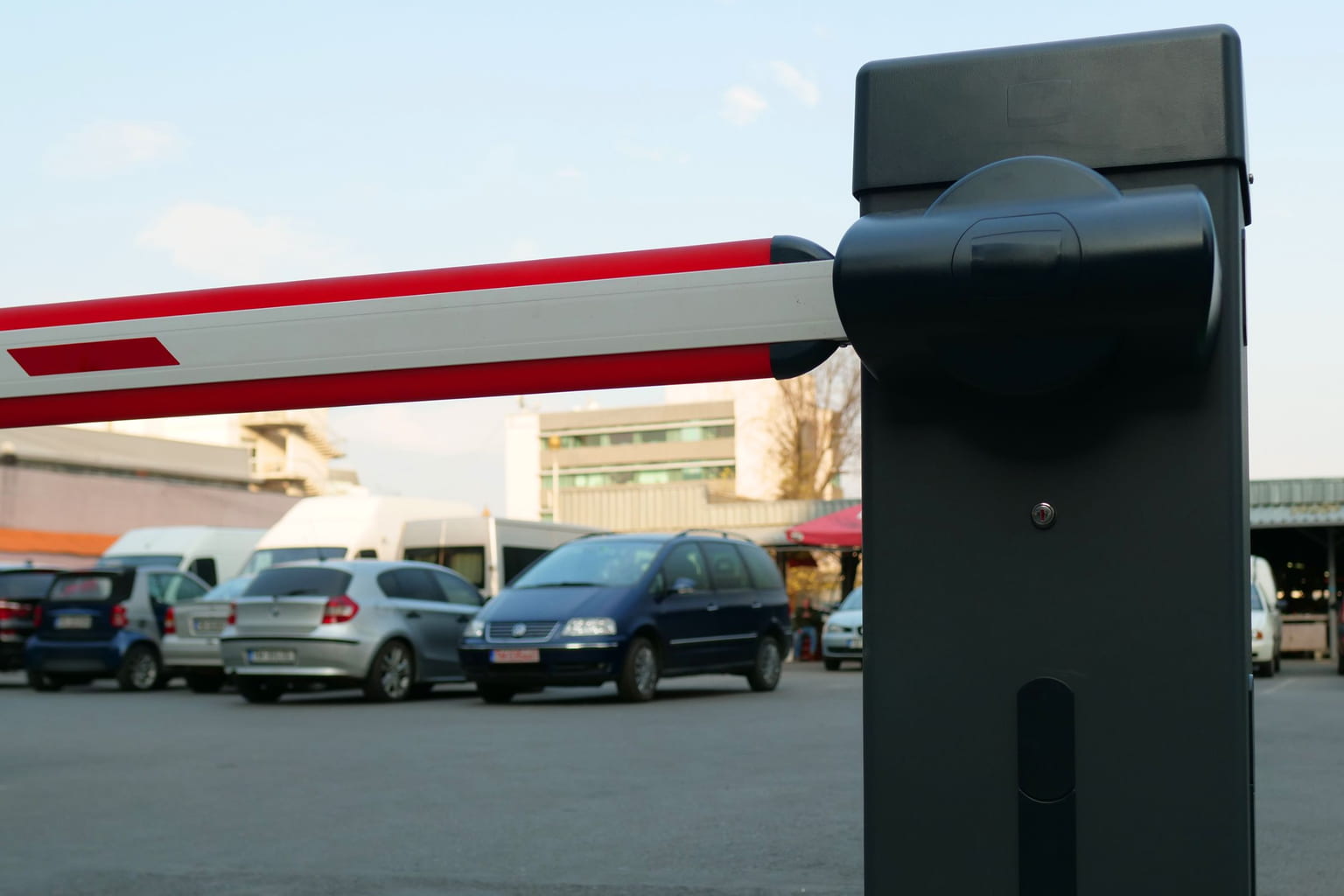
- Fencing and controlled entry. A fence with a gate arm, ticket system, or keypad keeps random vehicles out. Open lots with no barrier are the weakest choice.
- Cameras that cover more than the entrance. Look for coverage over the parking rows and the exit. Footage helps after a problem. Live monitoring helps stop one, so ask if anyone watches the screens.
- Good lighting. This matters most for 5 a.m. departures and midnight returns. NICB also tells drivers to park in well-lit areas, because visibility puts thieves off.
- Staff on site. An attendant or roaming patrol makes a lot a harder target. Ask if staff work around the clock or only at peak hours.
- Plate matching at exit. Some lots match your license plate to your booking before the gate opens. That stops someone from leaving with a car that is not theirs.
A lot that ticks most of these boxes is what people mean by 24/7 monitored airport parking. It does not need every item. It should have most of them. Way’s help center says most of its partner lots offer features like gated access, attendants, cameras, and lighting. You can also compare parking by price, safety, and location before booking. Way does not own the lots, so that extra minute of reading is worth it.
How Security Differs by Parking Type
Each lot type has its own strengths and weak spots. Off-site airport parking can be very safe, but it varies by operator. Here is a quick way to compare your options.
| Lot type | Typical security setup | What to double-check |
|---|---|---|
| On-airport garage | Airport-run patrols, camera coverage, ticketed entry | Lighting on upper levels, clear section signs, maximum stay rules |
| Off-site lot with shuttle | Fence, gate or arm, attendants, cameras (varies by operator) | Staff hours, shuttle schedule, reviews that mention break-ins |
| Valet or meet and greet | Staff hold your keys and move the car | Who drives it, where it is stored, a written condition report |
| Hotel park and fly | Hotel lot, often with cameras and lighting | Whether the hotel honors the booking, overnight stay rules |
Valet deserves extra care because someone else holds your keys. Ask who will drive the car and where it will sit. Take your own photos even if they hand you a condition slip. For hotel deals, call the front desk first. Confirm they know your dates and your booking. It takes two minutes and prevents an ugly surprise at the curb.
Red Flags That Should Make You Walk Away
Some problems show up before you reach the lot. Be wary of a lot with no street address, only a phone number or a social media page. Be careful with a price far below every other option nearby. Cheap is fine. Suspiciously cheap often means something is missing, like a shuttle or an attendant.
Read reviews the right way. One angry review is normal. A pattern is not. Look for repeated mentions of break-ins, missing shuttles, or damage claims the operator never answered. Start with the newest reviews, because lots change owners and policies.
Airport parking scams exist too. A person in a vest waves you into a lot and asks for cash. A lookalike website sells spots in a lot that does not exist. Book through an operator or platform you can verify. Keep your confirmation on your phone. Never hand your keys to anyone who cannot show they work for the lot.
Finally, trust your eyes on arrival. If the gate is broken, the lights are out, or nobody is around, leave. Moving to a second lot costs you time. A stolen car costs far more.
A Ten-Minute Routine Before You Lock the Car
Choosing a good lot is half the job. The other half is what you do with your own car. Run through these steps before you leave your car at the airport.
- Remove everything of value. Laptops, bags, wallets, and gift boxes all invite a break-in. Move items you cannot carry into the trunk at home, not at the lot. Someone may be watching you load up.
- Clear out mail and paperwork. Bills and letters can hand a thief your home address. If your state requires registration in the car, leave only that.
- Reset your GPS and take the garage remote. Many navigation systems store your home address. Clear it or set it to a nearby spot. A thief with your address and your opener has a way into your house.
- Remove any spare key. Thieves know the usual hiding spots. Keep the spare at home.
- Take photos and a short video. Walk around the car slowly. Capture each side, the wheels, the roof, the windshield, and the odometer. Photos carry a timestamp, which helps if you ever dispute damage.
- Photograph your parking spot. Capture the row, section, or level sign. After a week away, every car in the lot looks alike.
- Lock up and double check. Close the windows and the sunroof. Turn the engine off. Lock the car and watch for the lights to flash. On a car with keyless entry, skip the handle check, because pulling a handle with the key nearby can unlock the door again. People rushing for a shuttle often leave a window open.
Save your reservation on your phone and screenshot it in case the signal is weak. Add the lot’s direct phone number to your contacts too.
Weather, Batteries, and Long Trips
Long-term airport parking brings problems that a weekend away never does. Sun, snow, and tree sap can hurt a car more than a thief over three weeks. If your car will face summer heat or winter storms, look at covered parking options. A roof protects paint, glass, and the interior. It also saves you from scraping a frozen windshield at midnight.
Battery health matters as well. A car left for two weeks or more can return with a flat battery. This is more likely if the battery is old or the weather is cold. Most batteries last three to five years, so test yours before a long trip if it is near that age. If the battery needs attention before you leave, auto repair services can help you handle the issue before your trip.
Electric vehicles need a little extra thought. Check whether the lot has charging and whether those chargers are monitored. Leave the car with a healthy charge, not near empty. Take the charging cable with you or keep it well out of sight. Cables are an easy target.
Early Flights, Late Returns, and Busy Airports
Timing changes the security picture. At 4:30 a.m. the lot is dark, shuttles run less often, and few people are around. Picture a Sunday night return from a five-day trip. It is 11:40 p.m. and you are walking to your car alone with two bags. You want that lot to be lit and staffed.
Big hubs add another layer. A busy airport like Chicago O’Hare has many lots nearby, and they differ in staffing and shuttle frequency. If you fly from there, compare the parking options near O’Hare. Read each lot’s details with your flight times in mind.
- Ask what hours the shuttle runs, and whether it runs through the night.
- Confirm the lot is staffed at your return time, not only at opening hours.
- Ask for a spot near the shuttle stop or the office if the lot allows it.
- Keep a power bank in your carry-on so your phone stays alive for the late walk.
What to Do If Something Is Wrong When You Return
Walk around the car before you load your bags. Look for new dents, scratches, broken glass, and anything missing. Compare what you see with your photos. If anything looks off, do not drive away yet.
Tell the attendant and ask for an incident report. Take fresh photos before you move the car. Get a copy of the report or a reference number. Then ask about camera footage. Lots may keep footage for a limited time, so ask right away.
Next, call your insurance company. Comprehensive coverage often handles theft and vandalism, but check your own policy. Many lots limit their liability in their terms, so your insurer may be your main route. For a break-in or theft, file a police report. Insurers usually ask for one. If you booked through a platform, contact its support team and keep your reservation details close.
In a damage dispute, your timestamped photos are your strongest proof. That is the whole reason for taking them.
Your Pre-Trip Security Checklist
Screenshot this table before your next trip. It condenses everything above into four stops.
| When | What to do |
|---|---|
| A week before | Compare lots, read recent reviews, and check the security details on each lot page |
| The day before | Clear valuables, mail, and spare keys. Test an older battery. Save your confirmation and the lot’s phone number |
| At the lot | Take photos, snap your parking spot, and lock up with a final door check |
| On return | Walk around the car before loading bags, and report any problem before you leave |
Good security starts with how you book. Booking early gives you more time to compare lot features, prices, and availability. It also reduces the chance of settling for whatever remains at the last minute.
Conclusion
A secure airport parking choice should give you confidence before you hand over your keys and head for the terminal. Good airport parking security starts with checking the lot, preparing your car, and considering your return time.
Way app makes it easier to compare airport parking options before your trip. Choose a lot that fits your schedule and security needs, prepare your car properly, and leave for your flight knowing you have done your part.
Related guides
- How to Find Overnight Parking Near an Airport
- Can You Leave Your Car at Airport Parking for Two Weeks?
- Covered vs. Uncovered Airport Parking: Which Should You Choose?
Frequently Asked Questions
Is it safe to leave your car at the airport for a week or longer?
Yes, it can be, if you pick the lot carefully. Choose a fenced, well-lit lot with cameras and staff. Remove valuables, take photos, and keep your confirmation handy. On longer stays, weather and battery problems are more likely than theft.
Is airport parking security better at onsite or off-site lots?
Airport parking security can be strong at either type. Check fencing, lighting, cameras, staffing, and controlled entry before choosing a specific lot.
Should I take photos of my car before parking?
Yes. Photos of each side, the wheels, the roof, and the odometer give you timestamped proof of condition. Add a photo of your parking spot so you can find the car after a long trip.
What should I never leave in my car at an airport lot?
Never leave laptops, bags, wallets, mail, spare keys, or garage remotes. Clear your GPS home address too. Keep only what the law requires, such as registration papers in some states.
What should I do if my car is damaged while parked at the airport?
Do not drive away. Photograph the damage, tell the attendant, and ask for a written incident report. Then contact your insurer. For theft or a break-in, call the police as well.
Get 10% off in the Way App in the Way App!

- Scan and get the Way App Download the Way App
- Log in to your account
- Use code FIRST10 at checkout