You pull into the lot at 5 a.m. Two spots are open. One sits under a roof. The other sits under open sky and costs a few dollars less. You have about ten seconds to decide, and your car will live with that choice for a week.
The right answer depends on your trip, your weather, and your car. The Way app lets you filter lots by covered and uncovered. The filter only helps if you know what you are choosing. This post explains what “covered” really means. It also shows when the extra cost pays off and when you can keep that money.
What “Covered” Actually Means
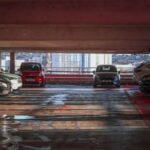
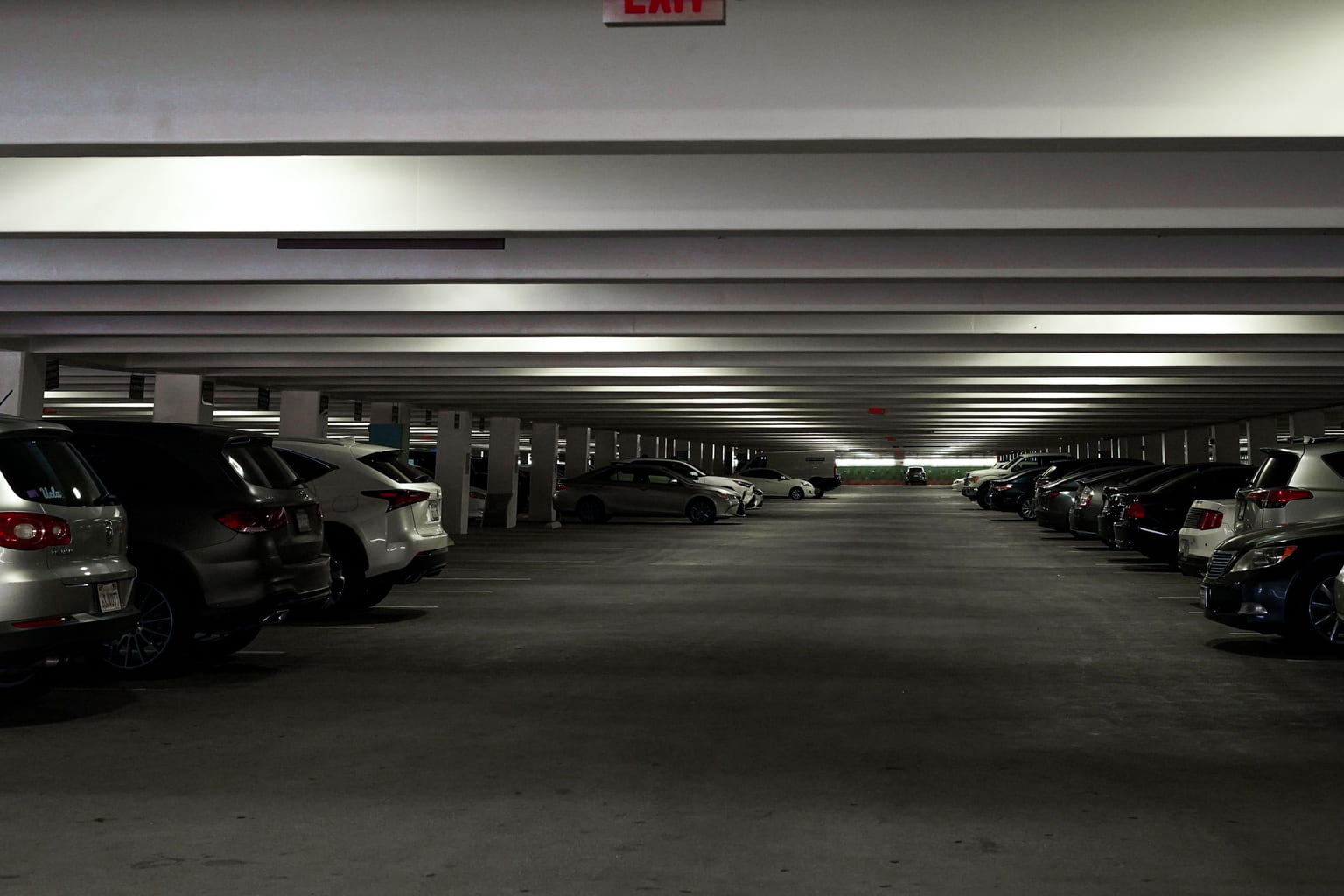
Covered does not always mean the same thing. At one lot, it is a full multi-level garage with walls and a ceiling. At another, it is a simple canopy over rows of cars. Some lots call a top-level deck “rooftop,” and that is the opposite of covered. Indoor valet is a separate product again.
Way’s guide to covered parking lists canopies, garages, and similar structures. It also notes the downsides. The daily rate is higher, spaces are limited and can fill up fast, and many covered lots have height limits. If you want the full picture, read whether covered parking is worth the extra money before you pick.
So the first question is not whether a lot is covered. Ask what kind of cover it has. A canopy blocks the sun and most rain. A garage adds side protection from wind-driven weather. Ask the lot, or read its description, before you book.
Covered vs. Uncovered at a Glance
Here is how the two compare on the points that matter most.
| Factor | Covered parking | Uncovered parking |
|---|---|---|
| Price per day | Usually higher | Usually lower |
| Sun and heat | Less direct exposure | Full exposure |
| Hail | Lower risk, no guarantee | Fully exposed |
| Snow and ice | Less buildup | Buried or frozen on a bad week |
| Dust, sap, and bird droppings | Fewer | More |
| Height limits | Common | Rare |
| Availability | Limited, can sell out | Usually plenty |
The table shows a pattern. Covered parking buys protection and convenience. Uncovered parking buys a lower price and more choice. Neither wins every time.
Why People Pay for Cover
Most travelers have a short list of reasons. They fear hail, they hate scraping ice, or they cannot stand a car that feels like an oven. A few simply like a clean car when they land.
Way’s covered parking guide adds a few more points. Cover can keep dirt, dust, pollen, and bird droppings off the paint. It can also shield the battery and tires from harsh cold or heat. Many covered lots add features like cameras and gated entry, but this varies, so check each lot’s details. None of these benefits is dramatic on its own. Together they add up on a long trip.
Where the Weather Decides It
Weather should drive most of this decision. A hot city and a snowy city give very different answers.
In a hot, sunny place, a roof does more than keep paint cool. Sun beats on the dashboard, seats, and steering wheel for days. Over time, that can fade interiors and wear rubber seals. A shaded spot also means you sit in a cooler car after a long flight. In Phoenix, lots near the airport list covered and uncovered options side by side. The Phoenix airport parking is a good example of how to compare them.
In a snowy place, the issue changes. A roof keeps snow and ice off the car. You skip a fifteen-minute scrape in the dark, and your wipers do not freeze to the glass. Frost on a cold morning is a small thing until you are tired and in a hurry.
Mild weather lowers the stakes. In a place with gentle seasons, an uncovered lot is often fine for a short trip. Save the upgrade for months when weather is unpredictable.
Hail, Insurance, and the Limits of a Roof
Hail is the main reason people pay for cover. A single storm can leave dents across a hood and roof. AAA points out that hail damage is only covered if you carry comprehensive insurance. Comprehensive also carries a deductible. So even with coverage, you still pay the first slice of the repair.
A roof lowers the risk, but it does not remove it. Some points to keep in mind:
- Partial roofs. A canopy may leave the sides open. Wind can push hail under it.
- Open edges. Spots near the edge of a covered row take more exposure.
- Storm size. Very large hail can still reach a covered car in a poor structure.
- Claims take time. Even with insurance, you spend days on estimates and repair visits.
If your car picks up a dent, a repair shop can give you an estimate. You can book a car repair visit and compare quotes. But avoiding the dent in the first place saves time that no estimate can give back.
The Upgrade Math
Here is a simple way to test whether cover is worth it. Divide the cost of the upgrade by the cost of what you want to avoid. The result is the chance of damage you need to believe in for the upgrade to pay off.
Say covered parking costs $4 more per day. Say your comprehensive deductible is $500. The table shows the break-even point.
| Trip length | Covered upgrade at $4 a day | Break-even chance of a $500 loss |
|---|---|---|
| 3 days | $12 | 2.4% |
| 7 days | $28 | 5.6% |
| 14 days | $56 | 11.2% |
These are sample numbers. Read them like this. On a 7-day trip, the upgrade pays off if a $500 loss is more likely than about 1 in 18. In a hail-prone month, that can be a fair bet. In a calm month, it may not be.
Try it with your own numbers. Look up the real upgrade price for your lot and your dates. Check your deductible on your policy. Divide one by the other. If the result is a small number and the forecast looks rough, buy the cover. If the result is large and the sky is calm, keep the money.
The math leaves out some things. It ignores the time saved scraping ice. It ignores a cooler cabin and a cleaner car. It also ignores the hassle of a claim. Those extras tilt close calls toward cover.
What About Electric Cars and Special Vehicles?
Electric vehicles bring a few extra questions. Heat and cold both affect battery range, so shade can help in hot cities. Ask whether the covered lot has charging, and whether the chargers are open to guests. Do not assume a covered spot means a charging spot.
Classic and luxury cars deserve a harder look at cover. Paint, leather, and trim are costly to repair. A garage-style structure gives the best protection. An indoor valet lot gives even more. For a very valuable car, the upgrade is easy to justify. For an older daily driver with a few dings, it is much harder.
When to Choose Each One
Pick the option that fits your trip. These lists give a quick way to decide.
Choose covered parking if:
- You travel during hail season or a snowy month.
- You fly out of a hot, sunny city.
- You will be gone for a week or more.
- You drive a new, luxury, or classic car.
- You arrive late and hate scraping ice.
Choose uncovered parking if:
- Your trip is short, and the forecast is calm.
- You want the lowest total price.
- Your vehicle is tall and might not fit under a roof.
- Covered spots are sold out, or cost far more than the savings.
- The weather is mild, and your car is not a worry.
Height Limits and Full Lots
Two problems catch covered parkers by surprise. The first is the height limit. Many covered garages have low clearance. A van, a pickup with a cap, or an SUV with a roof box may not fit. Measure your vehicle with any rack or box on top. Then compare it with the lot’s stated clearance.
The second problem is space. Covered spots are limited, and they sell out first, especially in peak weather months. Waiting until the day before can leave you with an uncovered spot at a higher price.
Picture a family heading out for a ski week. They load a roof box on their SUV. Then they reach a covered garage with a clearance bar that is too low. They end up at an uncovered lot across town. A two-minute check of the height limit would have saved them the stress.
How to Compare Lots Step by Step
You can run this check in about ten minutes.
- Open your airport’s lot list. Use a tool where you can compare airport parking lots side by side.
- Filter for covered. Then check what kind of cover each lot has.
- Check height limits. Measure your vehicle with any rack or box.
- Compare the total price. Include taxes and fees, not only the daily rate.
- Check hours and shuttles. A cheap covered lot is no help if the shuttle stops before you land.
- Read recent reviews. Look for comments about the condition of the cars and the cover.
- Book early. Covered spots go first. Save the confirmation on your phone.
If You Choose Uncovered, Protect Your Car
An uncovered spot is a fine choice for many trips. A few habits help.
- Use a windshield sunshade in hot weather. It keeps the dashboard cooler.
- Take heat-sensitive items out of the cabin. That includes electronics and aerosol cans.
- Test an older battery, since heat and cold both strain it. A quick battery and tire check before a long trip is a smart move.
- Keep an ice scraper and a brush in the car in winter. They will be there when you return.
- Take photos of the car before you leave. They help if you ever need to dispute damage.
- Check that your insurance includes comprehensive coverage.
Coming Back to Your Car
After a long stay in the open, your car may be dusty, speckled with droppings, or coated in pollen. Wash it soon. Fresh droppings and sap come off far more easily than old ones. A quick car wash on the way home is a good habit.
Covered cars tend to come back cleaner. That is one quiet benefit of the upgrade. It will not show up on a receipt, but you will notice it when you land.
Conclusion
Covered or uncovered is a small choice with a clear rule. Pay for cover when the weather, the trip length, or your car makes damage costly. Skip it when the trip is short and the sky is calm. The upgrade is insurance you can see. Like any insurance, it only earns its place when the risk is real.
When you are ready to book, the Way app lets you compare covered and uncovered lots for your dates. Check the height limit and the shuttle hours, then save the confirmation on your phone.
Then relax. Whichever spot you pick, you will have chosen it on purpose.
Related guides
- Airport Parking Security: What to Look for Before Leaving Your Car
- How to Find Cheap Airport Parking Without Sacrificing Convenience
- Where to Park at the Airport: Your Best Parking Options Explained
Frequently Asked Questions
Is covered airport parking worth it?
It can be. Cover helps most on long trips, in hail or snow seasons, and in hot, sunny cities. For a short trip in mild weather, uncovered parking is often enough.
Does covered parking protect against hail?
It lowers the risk, but it does not remove it. A canopy can leave the sides open. A full garage gives better cover. Ask the lot what type of structure it has.
How much more does covered parking cost?
It varies by airport and lot. Covered spots usually cost more per day than uncovered ones. Compare the total for your dates, including taxes and fees.
Is covered parking better for a winter trip?
Often yes. A roof keeps snow and ice off the car, so you skip the scraping on return. In mild winters, the benefit is smaller.
Is covered parking safer from theft?
Not by itself. Some covered lots add cameras, gates, and staff, but that depends on the lot. Check the security details on any lot you book, covered or not.
Do covered lots have height limits?
Many do. Check the clearance before you book if you drive a van, truck, or SUV with a roof box.
Is indoor valet better than covered self-parking?
Indoor valet gives full protection from the weather. It costs more, and your keys leave your hands. Choose it if protection and convenience matter more than price.
Get 10% off in the Way App in the Way App!

- Scan and get the Way App Download the Way App
- Log in to your account
- Use code FIRST10 at checkout