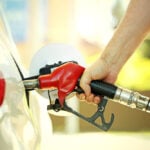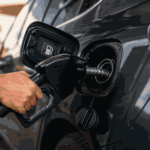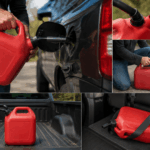
It happens! This mishap can trigger a string of events, which can range from fretting over whether it can damage the engine to the financial strain it might cause to fix the damage it will cause to the engine. However, while a fuel mix-up can cause trouble to your engine, putting premium gas in your car that runs on regular fuel is not a situation you need to switch to panic mode. Here is everything you need to know if you have accidentally put premium gas in your car.
What happens when you put premium gas in your car?
Firstly, it should be noted that vehicles can run on both regular and premium gas. If you accidentally use premium fuel, it doesn’t harm your car or its engine. Some manufacturers, however, recommend only premium gas due to engine requirements. In these cases, using lower-grade fuel can cause damage.
What is the difference between regular and premium gas?
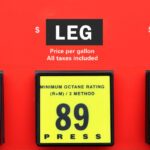
The major difference between regular and premium gas is their octane rating. In other words, the octane rating determines the pre-ignition resistance of a car. The higher the octane rating, the better the pre-ignition resistance. For example, fuel with 91 or above octane is premium fuel, while 87 octane is regular fuel.
What are the benefits of premium gas?
The major advantage of premium gas is its ability to prevent engine knocks. In other words, constant engine knocks can strain the engine. This can be bad for your car in the long run. With premium gas, the mistimed combustions are minimized, which can safeguard your car engine’s life.
However, in contrast to popular belief, premium gas doesn’t improve the mileage of your car, nor does it automatically clean your engine. However, premium gas does contain additives that bring out the best in your engine in terms of cleanliness.
What happens if you put the wrong fuel in your car?
Meanwhile, putting the wrong fuel in your engine, for example, diesel in a gas engine, can be bad for your car. However, if you realize your mistake soon, it is better to park it and turn off the engine. Consequently, drain the gas tank and fuel lines to prevent further damage. In other words, fuel filter clogging or fuel injector pump damage can result in an engine misfire.
However, if you haven’t realized the mix-up, then there will be an engine shutdown once it runs out of gasoline. This is because the engine cannot burn the diesel.
Does insurance cover draining the wrong fuel from your car?
If you misfuel your car, most car insurance policies generally do not cover the cost of removing the wrong fuel or repairing damage caused by misfuelling. This is because such incidents are typically considered preventable and not accidental. However, if a gas station attendant was responsible for the error and your car sustains major damage as a result, you may be able to pursue compensation directly from the gas station for those damages.
How can I detect a fuel mix-up in my car?
If you put premium gas in a car that runs on regular fuel, there won’t be any benefit or harm. But if the situation is reversed, such as using regular in a premium-required car, you might hear rattling noises and notice decreased fuel economy. If you mix Ethanol with gas, a check engine light may appear. Early detection helps avoid long-term issues.
In especially problematic cases, gasoline entering a diesel engine can trigger immediate engine damage for several reasons.
- The difference in flash point temperature between gas and diesel.
- Decreased lubrication.
- Incomplete combustion.
- Overheating
On the other hand, using diesel in a gasoline engine also has serious consequences worth outlining.
- Fuel deposits on the engine parts due to partial burning.
- Rapid wear and tear of the engine.
- Igniting the catalytic converter.
Misfuelling is serious when gasoline and diesel are mixed in the wrong engines. However, using premium gas in a regular-fuel car is not an issue, as high-grade fuel does not affect the engine negatively.

Renée Martin is a travel and car expert who focuses on road and air travel in the U.S. For the past 6 years, she’s been helping make driving and trip planning easier and budget-friendly for everyday travelers.