How long does it take to repair a car after an accident? A scuffed bumper can be done in two days. A car with frame damage can sit at the shop for six weeks or more. The honest answer depends on four things, and only one of them is the repair work itself.
Here is what each level of damage typically takes, what pushes those numbers out, and the questions that get you a realistic date instead of an optimistic one.
Key takeaways
- Minor damage runs one to three days, moderate one to two weeks, structural three to six weeks or more.
- Waiting on parts and waiting on insurer approval usually cost more days than the repair does.
- Hidden damage found at teardown restarts the approval clock partway through the job.
- Paint needs cure time between coats, so refinishing cannot be rushed however urgent the job is.
- If the repair bill approaches the car’s value, the insurer may declare a total loss and the timeline stops mattering.
What Sets the Timeline
Four things, and they do not move independently.
The damage itself. Cosmetic work is measured in days. Anything that touches the structure is measured in weeks, because the car has to be measured, pulled back to specification and measured again.
Parts. A common bumper cover ships overnight. A trim piece for a six-year-old model in an unpopular color can take weeks to locate, and a manufacturer part on backorder has no date attached to it at all.
Insurer approval. Nothing starts before the estimate is approved, and nothing continues after teardown until the supplement is approved. This is the step most likely to add dead days, and the one you have the most influence over.
Shop workload. Good shops book out. A three-week wait for a slot is three weeks before the repair clock even starts, which is why asking for a start date matters as much as asking for a repair estimate.
The combination is what catches people out. A small repair waiting on a backordered clip can easily outlast a bigger job where every part happened to be on the shelf.
Minor Damage: 1 to 3 Days
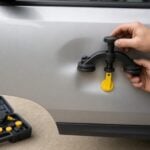
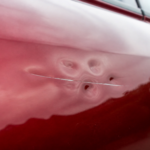
Bumper scuffs, shallow dents with the paint intact, small scratches. Where the paint has not cracked, a technician can often use paintless dent repair and skip filler and refinishing altogether, which is what keeps this bracket short.
Most of these jobs are limited by shop scheduling rather than the work. If the shop has a bay and the panel does not need painting, it can genuinely be a same-day or next-day repair. Add a day or two if a scuff needs blending into the surrounding panel.
Moderate Damage: 1 to 2 Weeks
Cracked bumper covers, dented panels that need replacing, damage that needs a proper repaint rather than a touch-up.
Three things extend this bracket. A replacement panel has to arrive. Paint has to be mixed to the vehicle’s code, sprayed, cured and blended into its neighbors. And if cameras or parking sensors live in the panel that came off, they need recalibrating to specification afterwards, which is a scheduled procedure rather than a switch that gets flipped.
If you are claiming, the adjuster’s figure and the shop’s estimate also have to agree before the work runs at full speed.
Structural Damage: 3 to 6+ Weeks
Frame or unibody damage, multiple panels, deployed airbags. These repairs need a measuring bench and pulling equipment, and every stage has to be verified before the next one starts.
Safety systems add real time here. Deployed airbags, seatbelt pretensioners and the control modules behind them are replaced rather than repaired, and those parts frequently come from the manufacturer only. If one of them is on backorder, the car waits, and six weeks becomes eight.
This is also the bracket where the repair bill starts to be measured against the car’s value, which can end the timeline in a different way entirely.
Timeline by Severity
| Severity | Typical work | Typical timeline |
|---|---|---|
| Minor | Bumper scuffs, shallow dents, small scratches | 1 to 3 days |
| Moderate | Panel replacement, repaint and blending, sensor recalibration | 1 to 2 weeks |
| Structural | Frame straightening, multiple panels, airbag and module replacement | 3 to 6+ weeks |
What Actually Causes Delays
Parts availability. Aftermarket parts are usually quick. Manufacturer parts, which some policies and warranties require on newer vehicles, run on the manufacturer’s supply chain. One backordered component holds the whole car.
Approval rounds. The first estimate is approved before work starts. The supplement filed after teardown is approved before that work continues. Each round is dead time for your car even though nobody is doing anything wrong.
Hidden damage. Nobody can see behind a bumper cover until it is off. Bent brackets, a cracked mount or damaged wiring found on day two turn a five-day estimate into a twelve-day repair, and this is normal rather than a sign of a bad shop. The car accident repair process walks through where in the sequence that happens.
Shop backlog. Ask about the queue separately from the repair time. A shop quoting four days of work starting three weeks from now is a month away, and rental coverage is usually capped at a number of days rather than until the car is ready.
When the Car Is Written Off Instead
If the estimate climbs toward what the car is worth, the insurer may declare a total loss rather than approve the repair. The exact trigger varies: some states set a percentage of actual cash value in law, others leave it to the insurer’s own formula, which weighs repair cost plus salvage value against the car’s pre-accident value.
Two practical consequences. The work stops while the insurer values the vehicle, which adds days on its own. And on an older car with existing wear, this outcome is common enough to ask about early, before you spend three weeks waiting on a repair that was never going to be approved.
How to Keep Things Moving
- Get two estimates, and compare start dates as well as prices.
- Ask up front whether the parts are in stock, aftermarket or manufacturer-only.
- Reply to your adjuster the day they contact you; approval waits are the cheapest days to save.
- Ask the shop to call you when the supplement is filed, so you can chase the insurer rather than wait on the shop to do it.
- Check how many rental days your policy actually covers before the car goes in.
What does not help is choosing purely on the lowest quote. Work that has to be redone costs far more days than it ever saved.
Frequently Asked Questions
How long does it take to repair a car after an accident if it only needs a bumper?
One to three days once the part is in stock. Add time if the cover has to be ordered, painted and blended, or if parking sensors and cameras in it need recalibrating.
Is paying out of pocket faster than claiming?
Usually a little. You skip the adjuster and both approval rounds, which matters most on small repairs. On a large job the parts and the paint still set the pace.
What happens if a part is on backorder?
Your car waits. Some shops will complete unrelated work in the meantime, but the job cannot close until the part arrives. Ask whether an equivalent aftermarket part is allowed under your policy.
Why did the shop take longer than the original estimate?
Almost always hidden damage. The first estimate is written with the panels on; teardown finds what was underneath, and the extra work needs its own approval before it can start.
Will I have a rental car while mine is in the shop?
Only if your policy includes it, and usually for a capped number of days rather than the length of the repair. Check the cap before the car goes in, because a parts delay can outlast it.
How long does the timeline take once the adjuster approves the estimate?
Most shops then finish close to their quoted repair time. Approval waits, not the bodywork, are what usually separates the estimate from reality.
Can I collect the car before the sensors are recalibrated?
You should not. Driver-assistance cameras and radar that have not been recalibrated after a bumper or windshield replacement may read the road incorrectly, and shops will not sign off on the repair without it.
Plan for the Range, Not the Best Case
Budget a few days for minor damage, one to two weeks for moderate, and a month or more for anything structural — then leave room for one parts delay and one approval round on top. That is the version of the schedule that usually turns out to be true.
Ask the shop for the start date and the parts situation, keep your adjuster moving, and check what your rental cover actually runs to. If you are still choosing where to take the car, compare shops through Way. The car damage repair guide covers what each type of damage involves, and dent repair costs covers the smaller end of the scale.
Get 10% off in the Way App in the Way App!

- Scan and get the Way App Download the Way App
- Log in to your account
- Use code FIRST10 at checkout