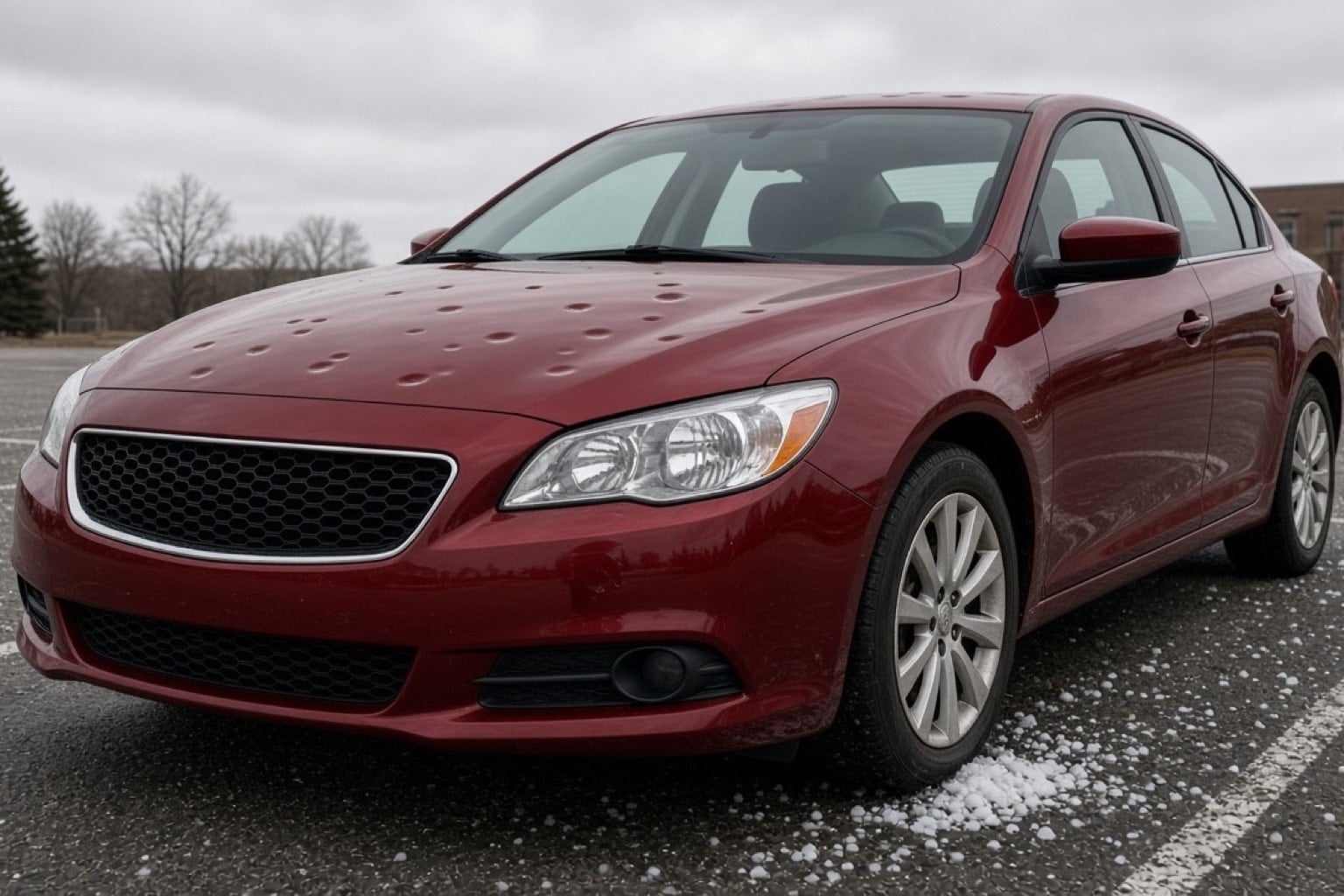
You walk out to the car and there it is: a dent that was not there yesterday. A cart in a parking lot, a hailstorm overnight, someone who clipped the bumper and left nothing behind. The next thought is always the same one. How much is a car dent repair going to cost?
Size is the part everyone looks at, and it is the least useful predictor. Two dents the size of a golf ball can be a $75 job and a $600 job, and the difference comes down to depth, location and whether the paint survived.
Key takeaways
- Intact paint is the single biggest cost factor. It is what keeps a dent in paintless dent repair territory.
- A small ding that PDR can handle is typically $50 to $150. The same dent needing filler and paint is typically several hundred.
- Location beats size: a dent on a body line or panel edge often needs conventional repair even when it looks minor.
- Hail is priced per dent, which is why one storm can run into the thousands.
- Compare the repair against your deductible before filing. Small dents are often cheaper to pay for directly.
What a Shop Actually Looks At
Before anyone can answer how much is a car dent repair for your car specifically, they check four things.
Paint condition. Cracked, chipped or scraped paint rules out the cheap repair immediately, because the panel now needs refinishing whatever else happens to it.
Depth. Shallow dents have not stretched the metal, so it can be worked back. A deep dent has stretched it, and stretched metal does not return to its original shape on its own.
Location. This is the one people underestimate. A dent in the middle of a flat door is accessible from behind and easy to work. The same dent on a body line, a panel edge, a double-skinned area or a roof pillar may be unreachable from the back, which forces the more expensive route.
Size, last. A wide, shallow dent is frequently cheaper to fix than a small sharp one, because the sharp one has concentrated all its damage into a small area of stretched metal.
Two extras push the price up regardless: aluminum panels, which need their own tools and technique, and panels carrying parking sensors or cameras, which may need recalibrating afterwards.
The Two Repair Paths
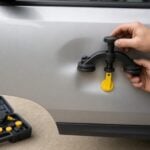
Paintless dent repair. A technician reaches behind the panel and works the metal back into shape with specialized rods, reading the surface off a reflected line board. No filler, no paint, factory finish untouched. It is the cheaper and faster route, and it needs intact paint and reachable metal.
Conventional bodywork. The dent is pulled or filled, sanded flat, primed, painted to the vehicle’s color code and blended into the neighboring panels. It works on damage PDR cannot touch. It costs more, and most of that extra is the refinishing and the cure time it needs.
What a Small Dent Costs
For a door ding or a shallow cart dent with the paint intact, PDR typically runs $50 to $150 for a single dent, and mobile technicians who work in your driveway or a parking lot often sit at the lower end because they carry no shop overhead. A slightly larger shallow dent, still with good paint, typically runs $75 to $250.
The same small dent stops being cheap the moment paint is involved. Once the panel needs filler, primer, color and clear coat, you are paying for materials, booth time and cure time, and even a modest dent commonly lands between $200 and $500.
That gap is why the honest answer to how much to repair a small dent in a car is always a question back: did the paint crack?
Creases, Edges and Deep Dents
A crease is a dent that has been dragged along the panel, stretching metal the whole way. Those usually need conventional repair even when they are narrow, and typically run $200 to $500.
Dents at a panel edge, around a wheel arch or along a body line often force the same route, because the technician cannot get behind the metal to push it out. Deep dents with cracked paint, or damage that has distorted the panel’s shape, typically start around $300 and run past $700 on larger or aluminum panels.
Bumper covers are their own case. They are plastic, so a dent may pop back with heat rather than tools, but a cracked cover is replaced rather than repaired, and a cover carrying sensors costs more to put back than the plastic suggests.
Hail Damage Is Priced per Dent
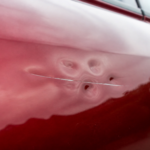
Hail rarely leaves one dent. It leaves dozens of small ones across the hood, roof and trunk, and the panels are usually flat and undamaged in the paint, which makes them good PDR candidates individually.
Shops and insurers price hail by the number and size of dents per panel rather than as a single repair, so a moderate storm typically lands between $500 and $3,000, and a severe one can exceed that. Severity here is not dent count alone: the size and depth of the individual dents, which panels were hit, and whether any paint cracked all move the number.
Hail is also the case where claiming usually makes sense, because comprehensive coverage generally applies and the totals are well above most deductibles.
Dent Repair Costs at a Glance
| Dent type | Usual repair | Typical cost |
|---|---|---|
| Small door ding or cart dent | Paintless dent repair | $50 to $150 |
| Shallow dent, paint intact | Paintless dent repair | $75 to $250 |
| Crease, or dent at a panel edge | Conventional bodywork | $200 to $500 |
| Deep dent with cracked paint | Conventional bodywork | $300 to $700+ |
| Hail, multiple dents | PDR, priced per dent | $500 to $3,000+ |
Claim It or Pay for It
Dent damage from something other than a collision — hail, falling debris, vandalism — generally falls under comprehensive coverage. Damage from hitting something is a collision claim.
The arithmetic is simple enough to do at the counter. If the repair is $150 and your deductible is $500, there is no claim to make. If a hailstorm has produced a $2,400 estimate against the same deductible, there clearly is. In between, weigh the difference against what a claim may do to your premium at renewal, which is a question for your insurer rather than the shop.
If the dent came from a collision, the wider sequence is covered in the car accident repair process, and how long repairs take sets expectations on the schedule.
What a Dent Does to Resale Value
A dent repaired with PDR leaves no paint history, because no paint was applied. Conventional bodywork holds up as well, provided the color match is good and the panel has not been over-filled.
Leaving it is the expensive option. A visible dent on a door or fender gives every buyer an obvious reason to negotiate, and the amount they knock off routinely exceeds what the repair would have cost. Note that it is the insurance claim, not the repair, that shows on a vehicle history report — another reason a small dent paid for directly can be the cheaper path overall.
Frequently Asked Questions
What decides whether my dent qualifies for paintless dent repair?
Intact paint and reachable metal that has not been stretched. Cracked paint, a sharp crease, or a location the technician cannot get behind will send it to conventional bodywork.
How much to repair a small dent in a car with PDR?
Typically $50 to $150 for a single small ding, sometimes less from a mobile technician. Several dents on one panel cost more in total but usually less per dent.
Why is hail damage priced differently?
Because it is many dents rather than one. Estimates count them by panel and factor in their size, so the total climbs quickly even though each individual dent is minor.
Will insurance cover a dent?
Often, under comprehensive for hail, debris or vandalism, and under collision if you hit something. Whether it is worth claiming depends on your deductible and the size of the estimate.
Is it worth trying a DIY kit first?
On a shallow dent with intact paint, it is a reasonable thing to try. Anything creased or with damaged paint is better left alone, since a failed attempt on stretched metal can turn a PDR job into a bodywork job. The DIY methods guide covers which is which.
How long does a dent repair take?
PDR is often a couple of hours and frequently same-day. Conventional bodywork usually takes a few days once filler, paint and cure time are included.
Does the panel matter, or just the dent?
It matters. Aluminum panels need different tools and cost more, and a panel holding parking sensors or a camera may need recalibrating after the repair, which adds to the bill.
Get It Looked At Before You Assume
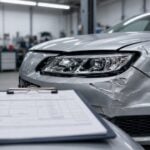
A dent that looks alarming from across the parking lot is often a two-hour PDR job, and a small one that caught a body line can cost five times as much. Nobody can price it accurately from a description, which is why a quick look from a technician beats guessing.
The car damage repair guide puts dents alongside the other kinds of damage a car picks up. When you want a real number, compare and book shops through Way and get cashback when you upload the receipt; Way+ adds a free 100-point inspection and up to 10% off auto repairs, which counts for more when a storm left you with a dozen dents rather than one.
Get 10% off in the Way App in the Way App!

- Scan and get the Way App Download the Way App
- Log in to your account
- Use code FIRST10 at checkout