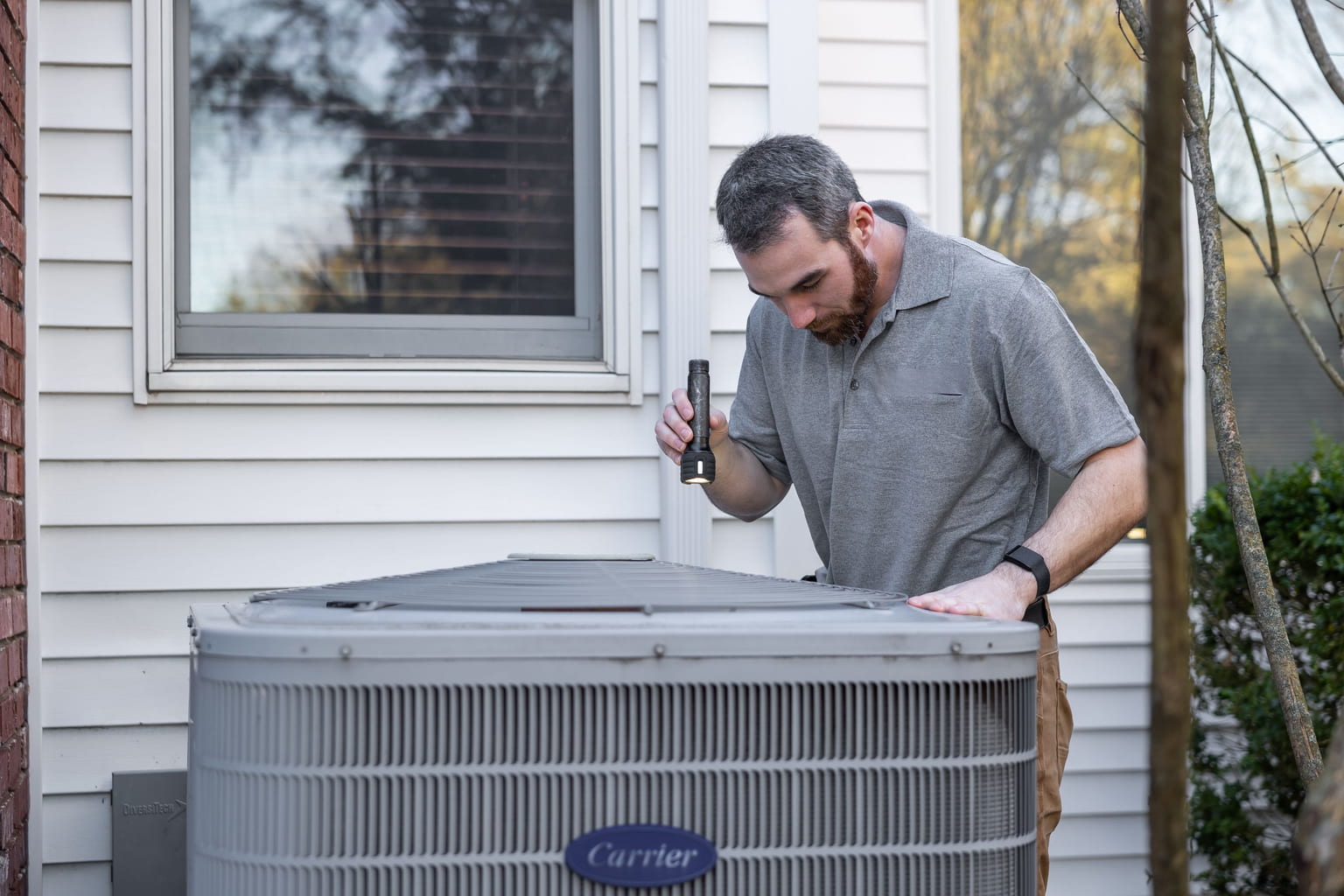
HVAC work happens on the road as much as it happens in a mechanical room or attic. Between service calls, installation jobs, and parts runs, most technicians rack up serious mileage without ever thinking twice about it. The average HVAC tech logs somewhere between 25,000 and 30,000 miles a year, and every one of those miles either saves money at tax time or quietly disappears. Mileage tracking for HVAC technicians is one of the easiest ways to protect that income, but only if it’s done consistently.
This guide covers exactly how service calls, job types, and daily routes translate into deductible mileage, and how to keep records that hold up if the IRS ever asks. For technicians who spend most of their day moving between calls, Way can make that tracking easier without adding another task to an already packed route.
Why HVAC Work Generates So Much Driving
Few trades put as many miles on a vehicle as HVAC work does. A single day might include an early morning maintenance check, a mid-morning install, an afternoon emergency call across town, and a stop at the parts house in between. None of that driving is optional, and almost all of it qualifies as business mileage.
That volume is exactly why tracking matters so much here. At the current IRS rate of 76 cents per mile, a technician logging 25,000 business miles a year is looking at a deduction worth roughly $19,000. Miss even a portion of those miles through poor tracking, and that number drops fast.
What Counts as Deductible Mileage for a Technician
HVAC routes mix several types of trips in a single day, and not all of them qualify the same way. Here’s how the common ones typically break down.
| Trip Type | Deductible? | Example |
|---|---|---|
| Home to shop or dispatch office | No | Your regular daily commute |
| Shop or dispatch to first service call | Yes | Driving from base to a scheduled job |
| Between service calls | Yes | Moving from one customer’s home to the next |
| Parts house or supply run | Yes | Picking up a compressor, refrigerant, or ductwork |
| Emergency after-hours call | Yes | Responding to a no-heat or no-cool emergency |
| Personal stop mid-route | No | Grabbing lunch at home between jobs |
The general rule holds steady here. If the drive connects directly to a job, a customer, or a part you need for the work, it counts.
Managing Mileage Across a Team of Technicians
HVAC businesses running multiple trucks face a different challenge than solo technicians. Every driver needs to log mileage consistently, and business owners need a way to see it all in one place without chasing down notebooks or spreadsheets from each employee.
A tracking system built for teams should include:
-
Automatic trip detection for every vehicle in the fleet
-
The ability to separate billable trip mileage from standard business driving
-
Simple reports that flag missing or incomplete logs by driver
-
Support for multiple technicians under one account
-
Exportable summaries ready for both payroll and tax filing
A properly set up team mileage tracker turns this from a monthly reconciliation headache into something that runs quietly in the background for every truck on the road.
Temporary Job Sites and Home-Based Work Can Change the Rules
HVAC technicians don’t always work from one permanent shop. Some move between temporary commercial projects, residential jobs, and other work locations throughout the year. That can make the difference between commuting and deductible business travel less obvious.
The IRS generally treats travel between a regular work location and a temporary work location in the same trade or business differently from ordinary commuting. A work location can generally be considered temporary when employment there is realistically expected to last one year or less.
Regular vs. Temporary Work Location
Travel to a temporary work location can be treated differently from ordinary commuting when the assignment is expected to last one year or less. The length and nature of the HVAC project matter.
Home Office
Technicians with a qualifying home office that serves as their principal place of business may have different rules for travel from home to another business location.
Keep the Details
Record the starting point, destination, date, and business purpose for each trip. These details help determine how different home-to-job and job-to-job drives should be treated.
That means technicians shouldn’t automatically treat every home-to-job trip the same way. The length of the assignment, regular work locations, home-office setup, and purpose of the trip can all affect the treatment.
Service Calls Are Where Most Miles Disappear
Service calls are the backbone of HVAC work, and they’re also where mileage tends to get lost. Techs running six or seven calls a day rarely have time to jot down mileage between stops. By the end of the week, most of that driving exists only as a vague memory.
This is where automatic tracking earns its keep. GPS-based logging captures each leg the moment the truck starts moving, tagging start and end points without any manual entry. For a technician juggling a packed schedule, that removes one more thing to think about mid-shift.
Installation Jobs and Multi-Day Projects
Installations work differently than a quick service call. A full system install might span two or three days at the same address, sometimes paired with multiple trips to the same site for materials or inspections. Each of those trips still counts as deductible mileage, even if the destination repeats.
Technicians handling larger installation jobs also tend to make more parts-house runs than a typical service day. Missing fittings, refrigerant, or ductwork means an extra trip, and every one of those trips adds to the deduction if it’s logged properly. Skipping the log on “just a quick supply run” is one of the most common ways techs lose mileage over a busy install season.
Emergency Calls and After-Hours Driving
No-heat and no-cool emergencies don’t wait for business hours, and neither does the mileage that comes with them. Late-night and weekend emergency calls are some of the highest-value trips a technician makes, both in terms of billing and tax deductions.
Because these calls happen outside a normal routine, they’re also the easiest to forget when logging manually. A technician responding to three emergency calls in one night isn’t likely to remember exact distances the next morning. Automatic tracking removes that risk entirely, capturing the trip regardless of the hour it happens.
Manual Logs vs Automatic Tracking for a Busy Route
Plenty of technicians still rely on a notebook in the glove box or a mental tally of their day. It’s familiar, but it puts a lot of pressure on memory during an already demanding schedule.
| Factor | Manual Logging | Automatic Tracking |
|---|---|---|
| Time spent logging per day | 10-20 minutes, if remembered | Essentially none |
| Accuracy on multi-stop days | Rounded or estimated | Exact GPS mileage |
| Emergency call capture | Often missed entirely | Captured automatically |
| Audit-ready documentation | Frequently incomplete | Detailed and timestamped |
| Impact on billable time | Cuts into paid work hours | No impact on the job |
Technicians who switch from manual to automatic tracking commonly report saving significant time over a year, time that goes back into billable work instead of paperwork.
Vehicle Wear Is Part of the Real Cost of the Job
An HVAC van or truck takes a beating over 25,000 to 30,000 miles a year. Heavy equipment, constant stop-and-go driving, and long days on the road all speed up wear compared to an average commuter vehicle. This is where some technicians choose to track actual vehicle expenses instead of relying solely on the standard mileage rate.
Frequent service calls and long routes can put extra strain on brakes, tires, suspension, and other components. Keeping up with routine maintenance and repairs helps technicians stay ahead of that wear while maintaining a clearer picture of what it costs to keep a work vehicle on the road.
Fuel Costs Add Up Fast Across a Full Route
Fuel is one of the biggest recurring costs for any technician running a full daily route. Between service calls, parts runs, and emergency response, a single truck can burn through a noticeable chunk of fuel in a week. Pairing consistent mileage tracking with fuel savings at the pump helps offset some of that cost directly, rather than only recovering it months later through a tax deduction.
What Your Mileage Records Should Include
A mileage total at the end of the year isn’t enough to explain where your business miles came from. The IRS expects records that can substantiate business vehicle use, including information such as the date, destination, and business purpose of each trip. Records kept at or near the time of the expense are generally stronger than trying to recreate them months later.
For HVAC technicians, a useful mileage record can include:
-
Date of the trip
-
Starting point and destination
-
Business miles driven
-
Customer, job, or project connected to the trip
-
Business purpose
-
Vehicle used
-
Related parking or toll expenses
Keeping these details together gives technicians more than a tax record. It also makes it easier to review routes, compare vehicle costs, and separate legitimate business travel from personal driving when the year gets busy.
Protecting Yourself If an Emergency Call Leaves You Stranded
Long days and constant driving occasionally end with a breakdown, especially for techs putting extreme mileage on older vehicles. A truck that won’t start after a late-night emergency call turns one problem into two. Having roadside support in place ahead of time keeps a bad night from turning into a lost workday and a missed appointment the next morning.
Common Mileage Mistakes HVAC Technicians Make
A few recurring habits show up across the trade:
-
Forgetting to log parts-house runs because they feel routine
-
Rounding distances instead of using exact GPS mileage
-
Missing emergency and after-hours calls from the daily log
-
Waiting until tax season to reconstruct a full year of driving
-
Assuming a work van automatically makes every mile deductible
Nearly all of these trace back to timing rather than effort. Fixing the system removes the guesswork entirely.
Final Thoughts
Technicians spend more time behind the wheel than most people realize, and that driving carries real financial value if it’s tracked correctly. Between service calls, installs, parts runs, and emergency responses, the miles pile up fast in this trade. Solid mileage tracking for HVAC technicians turns all that driving from an overlooked expense into one of the biggest deductions on your tax return.
For a technician handling several calls a day, the difficult part isn’t understanding that the miles matter. It’s remembering every stop when the route keeps changing. Way fits into that workflow by taking the recordkeeping burden out of the middle of the workday, leaving you with a clearer history of the driving tied to your calls, jobs, and supply runs.
Related guides
- Mileage Tracking for Construction: Job Sites, Materials and Business Travel
- How to Keep an IRS Mileage Log for Accurate Tax Records
- Standard Mileage Rate vs. Actual Vehicle Expenses: Which Is Better?
Frequently Asked Questions
Does mileage tracking for HVAC technicians cover the drive from home to the shop?
No. That trip is treated as a normal commute and isn’t deductible, even for self-employed technicians or independent contractors.
Can I deduct mileage for a parts-house run that isn’t tied to one specific job?
Yes, as long as the trip supports your business generally, such as restocking common parts, it still counts as deductible mileage.
What’s the difference between the standard mileage rate and actual expenses for a work truck?
The standard rate multiplies your business miles by the current IRS rate, currently 76 cents per mile. Actual expenses track real costs like fuel, repairs, and depreciation, then apply your business-use percentage. High-mileage techs often do better with the standard rate.
How long should I keep my mileage records?
Most tax professionals recommend keeping logs for at least three years, and up to seven if you want extra protection in case of an audit.
Does emergency after-hours mileage get tracked differently than regular service calls?
No, it’s treated the same way for tax purposes. The challenge is capturing it accurately, since late-night calls are the easiest trips to forget when logging manually.
Get 10% off in the Way App in the Way App!

- Scan and get the Way App Download the Way App
- Log in to your account
- Use code FIRST10 at checkout