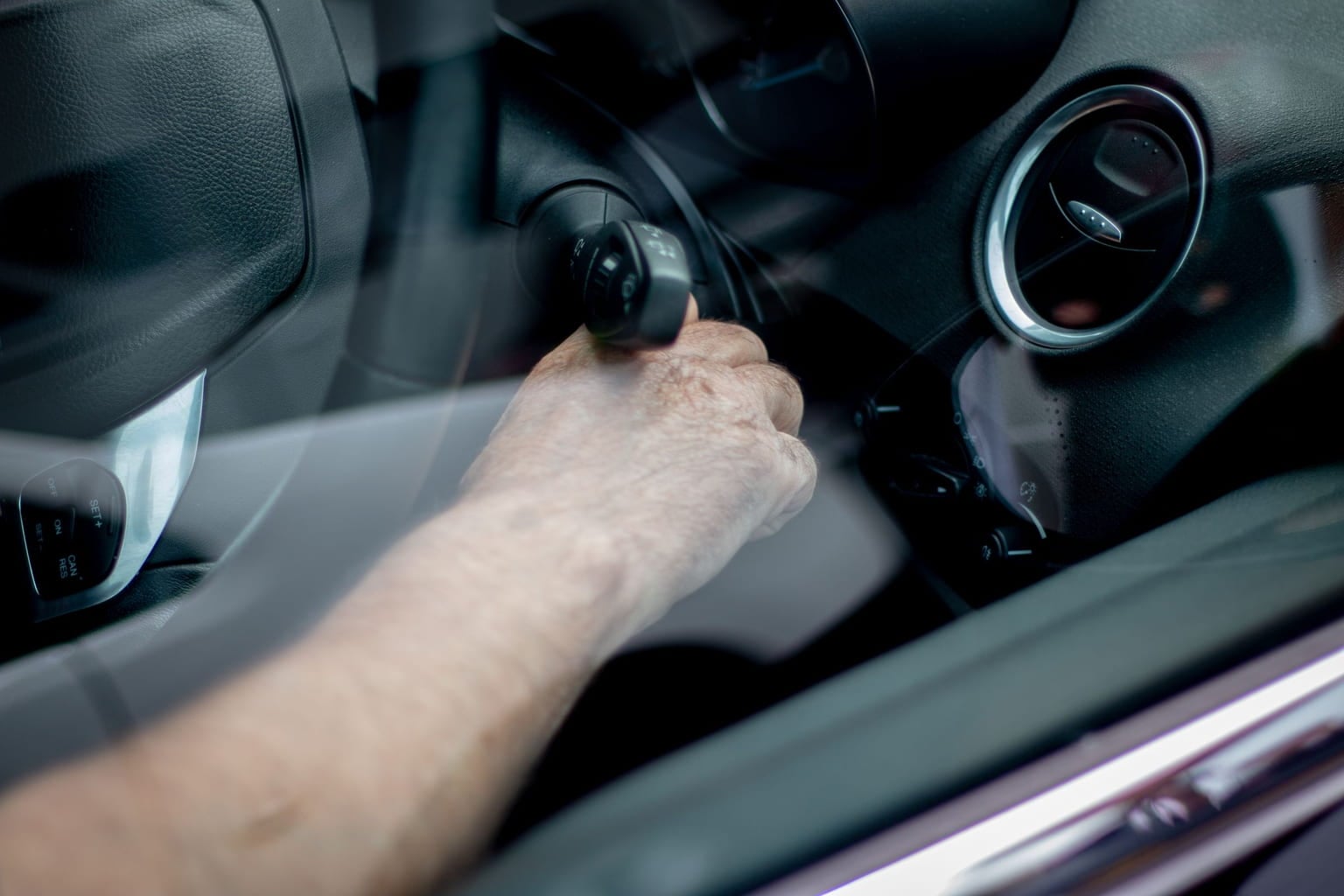
You are late as it is and now this. You turn the key, expecting the usual rumble of the engine catching, and instead you get one sharp click. Or maybe a rapid series of them, like a tiny machine gun somewhere under the hood. Either way, the engine isn’t turning over, and you’re standing there trying to remember the last time you thought about your battery at all.
A car clicks but won’t start for a fairly small handful of reasons, and the type of click you’re hearing actually narrows things down faster than most people realize. Rapid clicking and a single click point toward different parts of the car entirely, so it’s worth paying attention to which one you’re dealing with before you start troubleshooting.
Rapid Clicking vs. a Single Click: Why It Matters
This distinction is the fastest way to narrow down what’s actually wrong, so it’s worth sorting out first.
Rapid clicking car won’t start situations, a fast, repeated clicking sound, almost always point to an electrical power problem. Usually that means the battery doesn’t have enough charge to fully engage the starter motor, so the starter relay keeps trying and failing in quick succession, producing that rapid clicking sound instead of a proper crank.
A single click when starting car attempts happen tells a different story. One loud click, rather than a rapid series, more often points to the starter or starter relay itself rather than the battery’s charge level. A battery that’s almost completely dead can occasionally produce a single faint click too, so this isn’t a perfect test on its own, but it’s a useful starting point.
Common Reasons Your Car Clicks But Won’t Start
A dead or dying battery. This is the most common cause behind rapid clicking specifically. A battery that’s old, damaged, or simply drained doesn’t have enough power to fully engage the starter motor, though it can often still deliver just enough current to make the solenoid click.
Corroded or loose battery terminals. Sometimes the battery itself is fine, but the connection isn’t. Road vibration loosens cable clamps over time, and white, powdery corrosion buildup on the terminals interferes with the current reaching the starter at all. This produces symptoms that look identical to a weak battery even when the battery is perfectly healthy.
A failing alternator. Since the alternator is what keeps your battery charged while the engine runs, a weak or failing one can leave your battery undercharged even if the battery itself is in decent shape. This tends to build gradually, so you might notice dimming headlights or slow accessories in the days before the car finally won’t start at all.
A faulty starter or starter relay. This is the more likely explanation behind a single, solid click rather than a rapid series. The starter itself, or the relay that sends it power, has stopped engaging properly, and no amount of battery charge fixes that on its own. Way’s repair guides go deeper into several of these individual parts if you want more background before deciding what to check next.
Battery vs. Starter Symptoms: A Quick Comparison
Because these two causes require completely different fixes, here’s how to tell them apart before you spend money on the wrong part.
| Battery Issue | Starter Issue | |
|---|---|---|
| Clicking pattern | Rapid, repeated clicking | Single, solid click |
| Dashboard lights | Often dim or flickering | Usually normal |
| Jump-start result | Typically resolves it | Usually no improvement |
| Age indicator | Battery is 3-5+ years old | Starter has 100,000+ miles |
| Other clues | Slow accessories, dim headlights beforehand | No warning signs before it happens |
Battery vs starter symptoms overlap just enough to cause confusion, which is exactly why the jump-start test below is worth doing before you assume either one.
What to Check Before Calling a Shop
A few checks can save you an unnecessary tow or a wasted part purchase.
Start by looking at the battery terminals for corrosion, that white or bluish crust, and check whether the cable clamps feel loose when you wiggle them gently. Cleaning corrosion off and tightening a loose clamp resolves the issue more often than people expect.
Next, try a jump-start if you have cables or a portable jump pack. If the car starts and runs normally once you disconnect the cables, the battery was likely the problem, and it’s worth getting it tested rather than assuming it’s fixed for good. If the engine still won’t turn over, or it starts briefly and dies again, that points more toward the starter, the alternator, or a battery too far gone to hold a jump. Way’s DIY hub has guidance on running through checks like these safely before you decide what to do next.
Getting a Proper Diagnosis
If the checks above don’t resolve it, a shop visit settles this far more reliably than continued guessing. A technician tests battery voltage and load capacity, inspects the charging system’s output from the alternator, and checks the starter’s draw directly, rather than relying on the sound alone the way you might from the driver’s seat. Look for ASE-certified technicians when choosing a shop, since correctly separating a battery, alternator, and starter issue takes proper testing equipment.
If you’d rather skip the guesswork entirely, comparing options through auto repair booking gets you to a shop that can run this diagnosis without the back-and-forth of calling around town yourself.
What Repairs Typically Cost
It’s also worth checking NHTSA’s recall lookup using your VIN before paying for anything, since certain models have had electrical or starting-system recalls over the years, and those repairs are free if yours qualifies.
A battery replacement usually runs $100 to $250 depending on the type and vehicle. A starter replacement is more involved, typically $300 to $600 including labor. An alternator sits in a similar range to the starter, often $300 to $900. None of these are cheap surprises to budget for on the spot, which is part of why understanding which part actually failed matters before you agree to a repair. For a broader sense of how a repair like this fits into overall costs, Way’s ownership costs guide is a useful reference.
Preventing This From Happening Again
A few habits meaningfully reduce how often you’ll deal with this. Have your battery tested during routine service rather than waiting for it to fail completely, since most batteries give some warning signs before they die outright. Keep terminals clean and connections tight, and address dimming lights or slow accessories promptly rather than writing them off as normal. If your battery is approaching four or five years old, it’s worth asking about its condition at your next visit rather than waiting for a cold morning to find out the hard way.
It’s also worth checking whether your car insurance plan includes towing or roadside benefits ahead of time, so you’re not figuring that out for the first time on a morning like this one.
If You’re Stuck With This Right Now
A car that clicks and won’t start after a jump attempt isn’t something to keep troubleshooting indefinitely on the side of the road. Roadside help can get you towed to a shop instead of stuck guessing.
Conclusion
A car clicks but won’t start for one of a fairly short list of reasons, and the pattern of the click itself is often the fastest clue you have. Rapid clicking leans electrical, a single click leans mechanical, and a proper test settles the rest. Either way, it’s rarely worth replacing a part on a guess when a five-minute check or a shop visit can tell you for certain.
Whichever part turns out to be the culprit, Way+ takes a real chunk off the repair either way. Worth a look before you book: Way+.
Not confident reading your own symptoms? Get in touch with our team and we’ll match you with a shop that tests the battery, alternator, and starter together instead of guessing at one.
More troubleshooting guides like this one live on the Way Journal.
Related guides
- Bad Starter Symptoms: Signs Your Car Starter Is Failing
- Bad Battery vs. Bad Alternator: How to Tell Which One Is Failing
- Bad Alternator Symptoms: Signs Your Alternator Needs Repair
Frequently Asked Questions
Why does my car make a rapid clicking noise but not start?
Rapid clicking car won’t start situations almost always point to insufficient power reaching the starter, most commonly from a weak or dead battery. The starter relay tries to engage repeatedly but can’t get enough current to fully turn the engine over.
What does a single click when starting car attempts usually mean?
A single, solid click more often points to a faulty starter or starter relay rather than the battery. It can occasionally also happen with a battery that’s nearly completely dead, so a jump-start test helps confirm which one it is.
How can I tell battery vs starter symptoms apart without going to a shop?
Try a jump-start. If the car starts and keeps running normally, the battery was likely the issue. If it doesn’t start at all, or starts briefly and dies, the starter or charging system is the more likely cause.
Can corroded battery terminals really stop my car from starting?
Yes. Corrosion or a loose cable clamp can prevent enough current from reaching the starter even when the battery itself has a full charge, producing symptoms that look identical to a dead battery.
Is it safe to jump-start a car that clicks but won’t start?
Generally yes, following standard jump-start safety steps. If the car still doesn’t start after a proper jump attempt, avoid repeated tries, since that can strain the electrical system further, and have it towed for diagnosis instead.
Get 10% off in the Way App in the Way App!

- Scan and get the Way App Download the Way App
- Log in to your account
- Use code FIRST10 at checkout