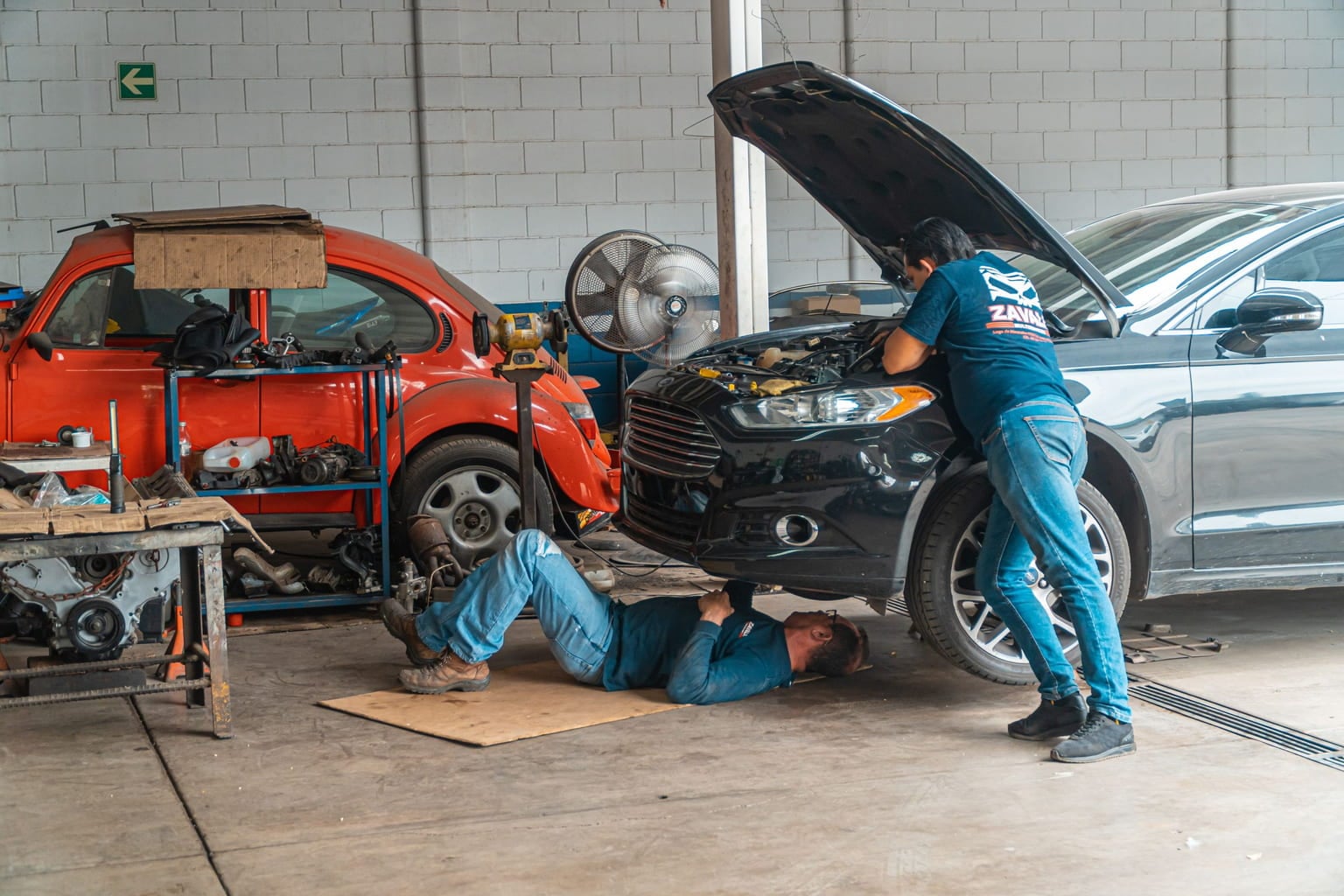
Walk into any shop and the menu looks like a foreign language. Multipoint inspection. Fluid exchange. Rotation and balance. Some of it you need this week. Some of it you can skip. And some is a nice-to-have that a service advisor is really hoping you’ll say yes to. Knowing which car maintenance services actually matter, and how often, is the difference between a car that runs for 200,000 miles and one that lands you on the shoulder at 90,000. This guide breaks down the main types, what they cost, and how to book them without overpaying.
Quick answer
Most cars need the same core jobs: oil and filter changes, tire rotations, brake checks, fluid top-offs, and a look at the battery, belts, and hoses. How often depends on your manual and how you drive. Skip them and small problems get expensive. Start with the schedule in your owner’s manual.
Why Preventive Car Maintenance Beats Repairs
Here’s the plain math. A $60 oil change prevents a $4,000 engine. A $30 tire rotation stretches a $700 set of tires. A $150 brake fluid service protects a brake system that costs far more to fix. Preventive car maintenance isn’t glamorous, but it’s the cheapest thing you’ll ever buy for your car.
There’s also a fuel angle. According to FuelEconomy.gov, a poorly tuned engine burns more fuel, improperly aligned or inflated tires can lower fuel economy, and brake drag makes the engine work harder. So skipping upkeep quietly costs you at the pump, too. It’s also worth looking at the bigger picture.
Way’s breakdown of ownership costs shows where the money goes, and maintenance is one of the few categories you actually control.
The Car Service Checklist at a Glance
Intervals vary by make, model, and driving conditions, so treat this as a starting point. Your owner’s manual, or your car’s maintenance reminder, always wins. This is the kind of car service checklist most shops work from.
| Service | Typical interval | Why it matters |
|---|---|---|
| Oil and filter change | 5,000 to 10,000 miles | Lubricates and cools the engine |
| Tire rotation | Every 5,000 to 8,000 miles | Evens out wear, extends tire life |
| Tire pressure check | Monthly | Safety, wear, fuel economy |
| Brake inspection | Yearly, or every rotation | Catches worn pads before rotors go |
| Brake fluid | Every 2 to 3 years | Old fluid absorbs moisture |
| Engine air filter | 15,000 to 30,000 miles | Airflow and performance |
| Cabin air filter | 12,000 to 15,000 miles | Air quality, AC performance |
| Coolant | Every 30,000 to 60,000 miles | Prevents overheating and corrosion |
| Transmission fluid | 30,000 to 100,000 miles | Protects one of the priciest parts |
| Battery test | After 3 years, then yearly | Avoids surprise no-starts |
| Wiper blades | About once a year | Visibility in bad weather |
| Spark plugs | 60,000 to 100,000+ miles | Ignition, efficiency |
| Alignment check | Yearly, or after impacts | Tire wear and handling |
Some cars, especially newer ones with long-life fluids, stretch these intervals. Others, particularly those that see heavy towing or stop-and-go traffic, shorten them.
Oil, Fluids, and Filters
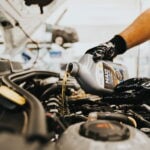
This is the heart of routine care. Oil is the big one. Fresh oil lubricates and cools the engine’s moving parts, and old oil turns to sludge. Most modern cars run somewhere between 5,000 and 10,000 miles between changes, depending on the oil type, and many have a dashboard oil-life monitor that tells you when.
But oil isn’t alone. Coolant keeps the engine from overheating, and it loses its protective additives over time. Brake fluid absorbs moisture, which lowers its boiling point and can corrode parts from the inside. Transmission fluid wears out, too, and it’s one of the most commonly ignored. And filters do the quiet work: the engine air filter keeps dirt out of the engine, and the cabin filter cleans the air you breathe. Keeping track of all these dates gets messy fast. A mileage tracker is a simple way to see how close you are to the next interval, so you’re not guessing.
Tires and Brakes
If oil is the heart, tires and brakes are how your car talks to the road. And they’re where safety lives.
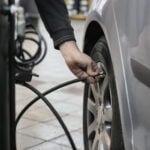
Tires need three things: correct pressure, rotation, and alignment. Check pressure monthly, rotate on schedule (typically every 5,000 to 8,000 miles), and get an alignment check yearly or after a hard pothole hit. It’s regular vehicle maintenance that pays for itself in tire life. Brakes wear out gradually, so you often won’t notice until they squeal or grind. A yearly inspection catches thin pads before they chew up rotors, which turns a $150 job into a $500 one. Brake fluid gets replaced on a schedule too, usually every couple of years.
Signs you shouldn’t wait: a squealing or grinding sound, a soft pedal, the car pulling to one side when you brake, or a vibration in the steering wheel under braking. Any of those means book it now.
Battery, Belts, Hoses, and the Rest
This is the stuff people forget until it fails, usually at the worst time. Batteries typically last three to five years, and heat shortens them. If yours is over three years old, have it tested, since a battery can look fine and still leave you stranded on a cold morning. If it does, having roadside assistance ready means a dead battery is a minor inconvenience and not a ruined day.
Belts and hoses are rubber, and rubber ages. NHTSA’s summer driving tips say heat speeds up the degradation of belts and hoses, and advise inspecting them for bulges, blisters, cracks, or cuts, and replacing them if they show obvious wear. The same document also recommends having the cooling system checked for leaks and the coolant tested. Don’t forget wiper blades (they dry out and crack), lights, and the spare tire. None of it is dramatic. All of it matters.
Normal vs. Severe Service
Most manuals list two maintenance schedules, and a surprising number of drivers are on the wrong one. Normal service covers mostly highway driving in moderate weather. Severe service applies if you drive short trips, sit in stop-and-go traffic, tow, haul heavy loads, live somewhere extremely hot, cold, or dusty, or drive on rough roads.
Here’s the catch: that describes a lot of people. If you’re mostly commuting through city traffic, you might technically be a severe-service driver, and the shorter intervals in your manual apply to you. It’s one of the most overlooked aspects of preventive car maintenance. When in doubt, follow the shorter schedule for the fluids that matter most: oil, transmission fluid, brake fluid, and coolant. It costs a little more up front. It costs a lot less than a repair.
What Maintenance Costs
Prices vary by car, region, and shop. These are rough U.S. estimates.
| Service | Typical cost |
|---|---|
| Oil and filter change | $40 to $130 |
| Tire rotation | $20 to $50 |
| Brake pad replacement (per axle) | $150 to $300+ |
| Brake fluid service | $80 to $150 |
| Coolant flush | $100 to $200 |
| Transmission fluid service | $100 to $400 |
| Engine air filter | $20 to $70 |
| Cabin air filter | $40 to $100 |
| Battery replacement | $120 to $400 |
| Wiper blades | $20 to $60 |
| Multipoint inspection | Free to $100 |
Add it all up and it’s real money, but nothing like the cost of a major repair. If you want to trim the total, Way+ is built around everyday car expenses like maintenance and repairs, so it’s worth checking before you pay full price. Bundling services in one visit can save money too, since labor overlaps.
Building Your Own Car Service Checklist
You don’t need a spreadsheet, just a routine. Here’s a simple way to organize it:
-
Find your manual’s schedule. Write down the intervals for oil, rotation, fluids, and filters.
-
Note your current mileage and last service dates. If you don’t know, treat the car as overdue on the big items.
-
Decide whether you’re normal or severe. Be honest.
-
Set reminders. Phone alerts, a note in the glovebox, whatever works.
-
Do a monthly walk-around. Tire pressure, tread, lights, fluid levels, anything dripping.
-
Keep records. A folder of receipts helps with resale, warranty claims, and diagnosing problems later.
-
Bundle jobs. Rotation and brake inspection happen together, so do oil and filter checks.
Keep the list short and doable. The best checklist is the one you’ll actually follow.
Buying a Used Car? Start With a Baseline
If you just bought a used car and have no service records, don’t guess. Treat it like a blank slate: fresh oil and filter, a fluid check, a brake inspection, a battery test, and a look at tires, belts, and hoses. Regular vehicle maintenance starts with knowing where you’re starting from, and a baseline service costs less than the surprise it prevents. Way’s guide on buying used covers what else to look for before you sign. Ask the shop to write down what they found, since that becomes your starting record.
The Bottom Line
Good upkeep isn’t complicated. It’s just a matter of doing the boring stuff on time. The right car maintenance services keep your car safe, your fuel costs lower, and your repair bills small, and the schedule is already sitting in your owner’s manual. Set your reminders, know which schedule you’re on, and don’t skip the small jobs. When you’re ready to book, you can compare and book auto repair through Way.com and check the next item off your list.
Related guides
- Car Tune-Up Checklist: What Is Included and When Do You Need One?
- How to Check Oil: A Step-by-Step Guide
- Transmission Fluid Change vs. Flush: What Drivers Need to Know
Frequently Asked Questions
1. What are the most important car maintenance services?
Oil and filter changes, tire rotations and pressure checks, brake inspections, and fluid services (coolant, brake fluid, transmission fluid). Battery tests and belt and hose checks round out the essentials.
2. What should be on a basic car service checklist?
Oil and filter, tire pressure and rotation, brakes, air and cabin filters, coolant, brake fluid, transmission fluid, battery, belts and hoses, wipers, and lights. Follow your owner’s manual for the exact intervals.
3. How often should I do regular vehicle maintenance?
It depends on your car and how you drive. Many services run every 5,000 to 10,000 miles, while others are yearly or every few years. Check your manual and follow the severe schedule if it applies.
4. Is preventive car maintenance worth the money?
Yes. Routine services cost a fraction of major repairs, and they keep the car safer and more reliable. Skipping them usually costs more in the long run.
5. How do I find a good shop for maintenance?
Look for ASE-certified technicians, read reviews, and ask for written estimates. Compare a few shops before booking, and ask what each service includes.
Get 10% off in the Way App in the Way App!

- Scan and get the Way App Download the Way App
- Log in to your account
- Use code FIRST10 at checkout