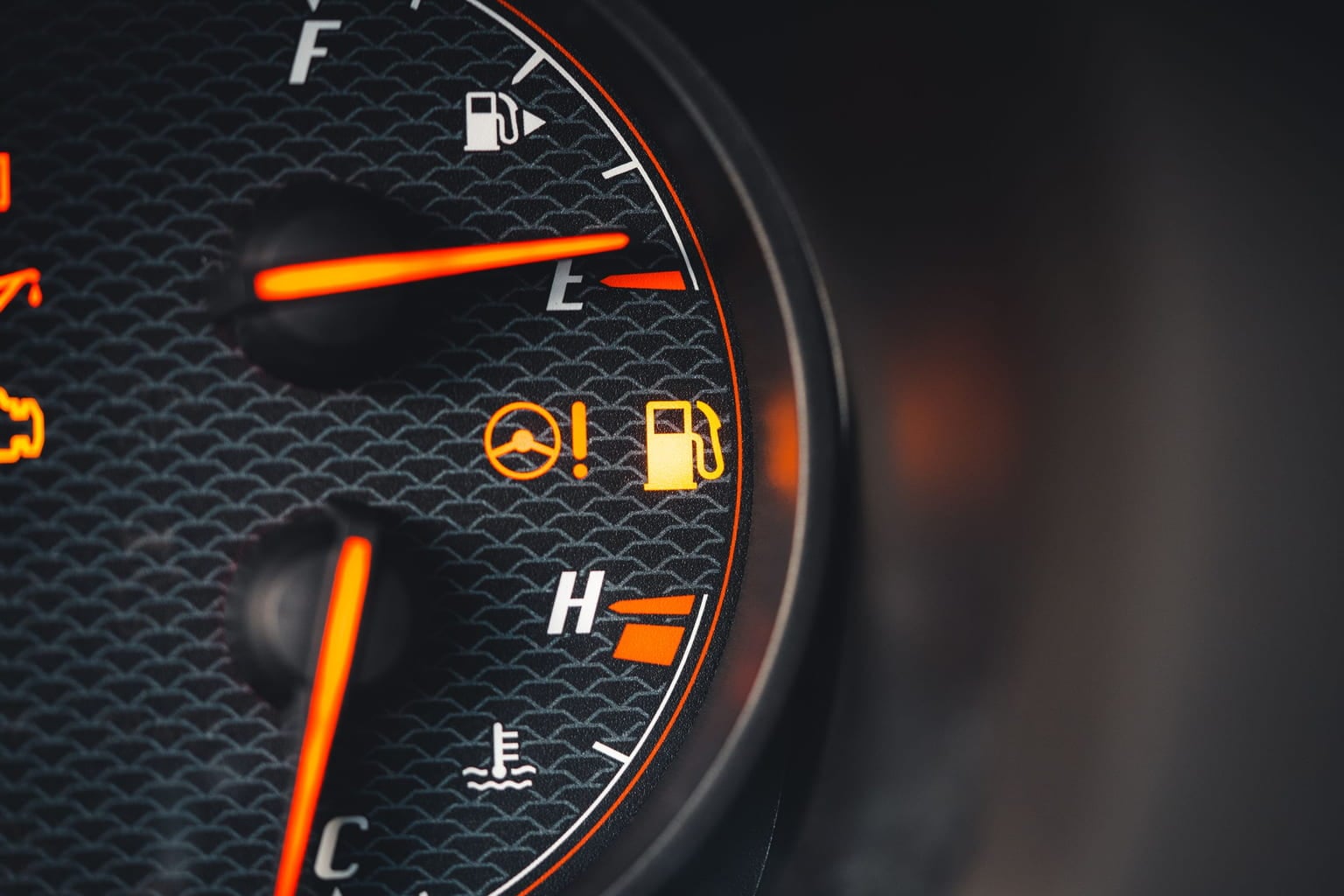
You’re driving along and the check engine light comes on, except this time it’s not just sitting there steady. It’s blinking, on and off, over and over, and something about that rhythm feels a lot more urgent than the usual amber glow you’ve learned to live with.
You’re right to notice the difference. A check engine light flashing means something more serious than a steady one, and it’s worth understanding why before you decide whether to keep driving or pull over right now.
Why Is My Check Engine Light Flashing, Not Just Steady?
A steady check engine light usually means “get this looked at soon.” A flashing one means “something is actively happening right now that could damage your car.” That distinction matters, and it’s the reason mechanics treat these two lights so differently.
Most of the time, a check engine light flashing points to an active engine misfire, meaning one or more cylinders aren’t firing correctly during combustion. When that happens, unburned fuel gets pushed straight into the exhaust system instead of being consumed the way it should be. That raw fuel heats up fast once it reaches the catalytic converter, and it can damage that part quickly, sometimes within just a few minutes of continued driving.
So why is my check engine light flashing instead of just staying on? Because your car’s computer is trying to tell you the difference between “schedule a repair” and “this needs attention now,” and a blinking light is how it signals the second one. If you’d rather not guess at what triggered it, Way Auto Repair can get a proper diagnostic scan booked instead of driving around wondering.
Common Causes of a Flashing Check Engine Light
A handful of issues tend to show up again and again behind this particular warning.
Worn spark plugs or failing ignition coils. These parts create the spark that ignites fuel in each cylinder. When they wear out or fail, that cylinder misfires, which is often the very first domino to fall.
A faulty oxygen sensor. This sensor tells the engine’s computer how much fuel to add to the air mixture. When it sends bad data, the engine can run too rich or too lean, and either extreme leads to poor combustion and misfires.
Catalytic converter damage. Ironically, the catalytic converter is both a common cause and a common casualty here. Repeated misfires overheat it, and once it starts failing, you may notice reduced fuel efficiency, sluggish acceleration, or a rotten-egg smell from the exhaust.
A malfunctioning EGR system. The exhaust gas recirculation system reduces combustion temperatures by recycling a portion of exhaust gases back into the engine. A leak or blockage here can throw off combustion and trigger the same flashing warning.
Bad or contaminated fuel. Less common, but it happens. Fuel that’s been sitting too long or picked up water contamination can cause enough misfiring to set off the light.
Vehicle speed sensor issues. This one’s less obvious, but a malfunctioning speed sensor can throw off how the engine and transmission communicate, indirectly contributing to the kind of performance issues that trigger a flashing engine warning light.
Pinning down which of these is actually happening in your car requires a real diagnostic scan rather than a guess based on symptoms alone, since several different systems can trigger the exact same flashing pattern.
Steady vs. Flashing: Quick Reference
| Steady Check Engine Light | Flashing Check Engine Light | |
|---|---|---|
| Urgency | Get it checked soon | Get it checked immediately |
| Typical cause | Loose gas cap, worn sensor, minor emissions issue | Active engine misfire |
| Safe to keep driving? | Usually yes, for a short while | No, pull over and get it inspected |
| Risk of damage | Low if addressed within a reasonable window | High, can damage the catalytic converter quickly |
| What to do | Schedule a diagnostic appointment | Reduce speed, avoid hard acceleration, get to a shop promptly |
If your engine warning light has ever come on steady and you ignored it for a week without issue, that’s a very different situation from what’s happening when it’s flashing. Don’t apply the same “I’ll get to it eventually” logic to both.
Can You Drive With a Flashing Check Engine Light?
Short answer: no, not for long, and not aggressively. Can you drive with a flashing check engine light to the nearest exit or a safe parking lot? Generally yes, in a pinch. Can you drive with a flashing check engine light for your regular commute or a road trip? Definitely not.
The real risk here is the catalytic converter. Continuing to drive while raw fuel dumps into the exhaust system can turn a $150 spark plug job into a repair costing well over a thousand dollars. If you notice popping or knocking sounds, rough idling, or a sudden drop in power alongside the flashing light, treat that as your cue to stop driving and get help rather than push on.
If you’re not near a shop and don’t feel safe continuing, roadside assistance through Way can get your car towed instead of risking further damage by driving it there yourself.
What to Actually Do When You See It
Ease off the accelerator and avoid hard acceleration or high RPMs. Aggressive driving accelerates the damage a misfire causes to your exhaust system.
Get to a repair shop as soon as reasonably possible, ideally the same day. This isn’t the kind of warning that benefits from waiting until your next scheduled service.
Don’t just clear the code and hope it doesn’t come back. Resetting the light without fixing the underlying issue means the misfire, or whatever’s causing it, is still there, quietly doing damage even if the dashboard looks clean for a while.
Ask for a full diagnostic rather than a guess. Since so many different components can produce the same flashing pattern, a proper scan tool reading is the only reliable way to know what’s actually wrong. A flashing light almost always means a misfire, so engine misfire symptoms is worth reading once a shop pulls the code.
Getting It Diagnosed and Fixed
A shop technician will connect a scan tool to read the stored trouble codes, then narrow things down with a physical inspection, checking spark plugs, coils, sensor readings, and the exhaust system for signs of damage. Look for ASE-certified technicians when you’re choosing where to go, since misfire diagnosis benefits from someone who actually understands how these systems interact rather than swapping parts one at a time.
It’s also worth checking NHTSA’s recall lookup using your VIN. Certain models have had emissions-related component recalls tied to sensors or ignition systems, and those repairs are free if your vehicle qualifies.
Repair costs vary a lot depending on the cause. Spark plugs or an ignition coil might run $100 to $300. A faulty oxygen sensor typically falls in a similar range. A damaged catalytic converter is the expensive outcome, often $1,000 to $2,500 depending on the vehicle, which is exactly why catching this early matters so much.
How Way Makes This Easier
Once you know something’s actually wrong, finding somewhere reliable to get it diagnosed shouldn’t add more stress to an already annoying situation. You can compare and book trusted shops through Way Auto Repair, with access to a nationwide network of garages, mobile mechanics, and dealers, plus cashback when you upload your service receipt.
Way+ members get a bit more cushion here too, with a free 100-point inspection and a mechanic’s hotline if you’re standing next to your car trying to decide whether it’s safe to keep driving to a shop or whether you need a tow instead.
Preventing This From Happening Again
Replace spark plugs and ignition components on the schedule your manufacturer recommends, rather than waiting for symptoms to show up. Address a steady check engine light promptly instead of letting it linger, since some steady-light issues can progress into the kind of misfire that eventually flashes. Use quality fuel from a station you trust, particularly if you’ve had contamination issues before. And if the light does start flashing, don’t wait it out hoping it resolves on its own. It won’t, and the cost of waiting almost always outpaces the cost of the actual repair.
Conclusion
So, what does a check engine light flashing actually mean? Mostly, it means your engine is misfiring right now, and the exhaust system is taking damage the longer that continues. Reduce speed, avoid pushing the engine hard, and get it looked at the same day rather than treating it like a routine check engine light you can deal with next week.
If yours is flashing right now, book a diagnostic through Way and find out what’s actually going on before it turns into a bigger repair.
Related guides
- Engine Misfire Symptoms, Causes and Next Steps
- Bad Ignition Coil Symptoms and When Your Car Needs Repair
- Bad Fuel Injector Symptoms: Causes, Signs, and Repair Options
Frequently Asked Questions
Can you drive with a flashing check engine light to get home?
A short, gentle drive to the nearest safe location is generally okay. A longer trip or your regular commute is not. The longer you drive on an active misfire, the more likely you are to damage the catalytic converter.
Why is my check engine light flashing but my car seems to be running fine?
Misfires aren’t always dramatic. Some are subtle enough that you won’t notice rough idling or power loss right away, even though the flashing light means one is actively happening. Don’t take a smooth-feeling drive as a sign everything’s okay.
What’s the difference between an engine warning light that’s steady versus flashing?
A steady light usually points to a less urgent issue, like a loose gas cap or a sensor drifting out of range. A flashing light means an active misfire that risks damaging the catalytic converter, and it deserves same-day attention.
Will clearing the code make the flashing light go away for good?
Only temporarily, if at all. Clearing a code resets the light but does nothing to fix whatever triggered it. The light typically comes back once the system detects the same fault again, sometimes within minutes of driving.
Can bad gas really cause a check engine light flashing?
Yes, though it’s less common than worn spark plugs or a failing sensor. Contaminated or old fuel can burn unevenly enough to trigger misfires, which shows up as the same flashing warning.
Get 10% off in the Way App in the Way App!

- Scan and get the Way App Download the Way App
- Log in to your account
- Use code FIRST10 at checkout