Your car rides on four parts you never think about. Then one day a speed bump feels like a trampoline, and that’s usually the first hint. Bad shocks and struts symptoms creep in slowly, which is exactly why people live with them for years. They blame the road. Or their own imagination. But worn dampers cost you more than comfort. They stretch out your braking distance, chew tires into odd shapes, and beat up the parts around them. So here’s what to look for, how to test your car in the driveway, and what replacement really runs.
Quick answer
Bouncy ride, nose dive when you brake, clunks over bumps, tires wearing in weird patches. Any of those usually means your dampers are tired. Push down on a fender and let go. If it bounces more than once, that’s your answer. Get it checked before your stopping distance gets worse.
Shocks vs Struts: What’s the Actual Difference?
People use the words like they mean the same thing. They don’t, though the two do similar work.
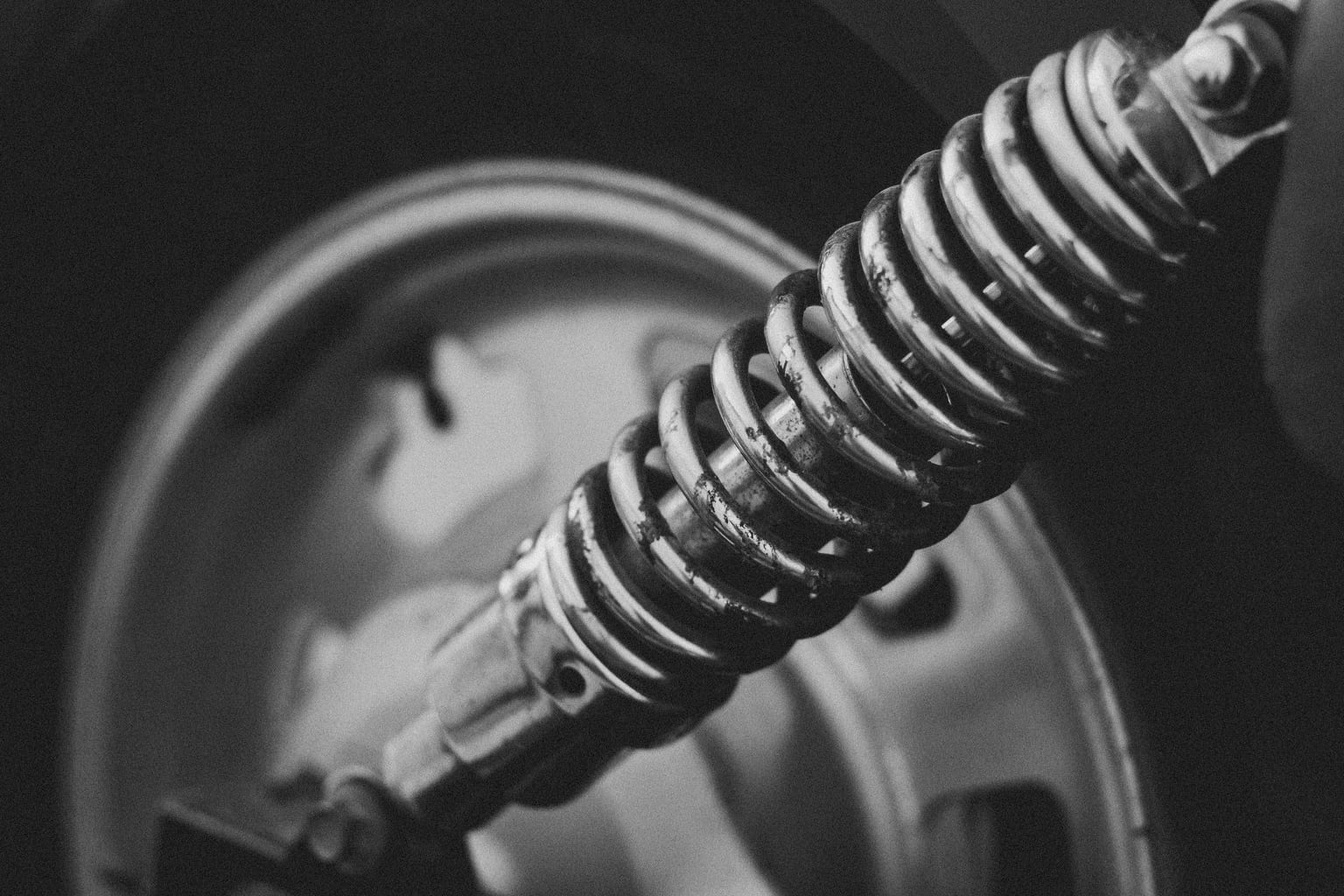
A shock absorber is a damper, period. After a bump, the spring wants to keep bouncing, and the shock calms it down. That’s the whole job. A strut is a damper too, but it’s also a structural part of the suspension. It holds the spring, helps position the wheel, and in most cars it pivots when you steer. Pull a shock off and the car still stands there. Pull a strut and the corner has nothing to hold it together.
| Shock absorber | Strut | |
|---|---|---|
| Main job | Damps spring movement | Damps spring movement and supports the suspension |
| Carries vehicle weight? | No, the spring does | Supports the spring and part of the load path |
| Role in steering | None | Often acts as a pivot point |
| Where you’ll find it | Often the rear axle | Often the front axle, sometimes all four corners |
| Alignment needed after replacement? | Usually not | Usually yes |
| Typical cost, pair installed | $250 to $600 | $500 to $1,200 |
Plenty of cars run struts up front and shocks in back. Some have struts at all four corners. Your owner’s manual will tell you, or a shop can tell you in about ten seconds. Buying used? Take the car over some rough pavement on the test drive, because tired dampers hide well on smooth roads. Way’s buyers guide has more on what to check before you sign anything.
How These Parts Wear Out
Nobody gets a warning light. Dampers just get a little worse every mile. Seals dry out, the fluid leaks or breaks down, and the valving inside stops holding back the spring the way it used to. Potholes speed it up. So do heavy loads, towing, and gravel roads.
The range you’ll see quoted for inspection runs from roughly 50,000 to 100,000 miles. That’s a huge gap, and it’s real, because a car that lives on smooth highways ages differently than one that lives on cracked city streets. There’s another catch. Because the decline is gradual, you adapt without noticing. Drive a friend’s car with fresh dampers and the difference can be startling.
Bad Shocks and Struts Symptoms You’ll Actually Notice
The big one is a car bouncing after you hit a dip or a bump. A healthy setup rebounds once and settles. Worn dampers let the body keep floating up and down, and on the highway it can feel like you’re riding a boat. Hard to miss once you know.
The front end may dive when you brake, the way a nose drops on a dog that’s about to pounce. The rear can squat when you accelerate. Corners feel leany. Crosswinds push the car around more than they used to, and steering gets a bit vague, like the car needs a second to make up its mind. You might hear clunks over bumps too, since worn mounts and bushings knock around once the damper stops controlling movement.
None of this is dangerous on day one. The trouble is what it does to braking. Brakes stop the wheels, but tires stop the car, and tires only grip when they’re pressed against the road. A bouncing tire isn’t gripping. That’s why this stuff belongs in any conversation about driving safety, and why waiting it out isn’t a great plan.
The Bounce Test (Two Minutes, No Tools)
Old trick, still useful.
-
Park on level ground and make sure the tires are properly inflated.
-
Stand at one front corner and push down hard on the fender, then let go.
-
Watch it come back. One rebound and it settles? Good. Two or three bounces? That damper is tired.
-
Repeat at every corner. Compare them.
-
Crouch and look at each shock or strut body for oily, wet residue.
It isn’t perfect. Modern suspension can hide problems from this test, so treat it as a clue and not a verdict. A clean bounce test on a car that still feels floaty deserves a professional look anyway.
Shock Replacement Signs Beyond the Ride
Sometimes the car tells you before the ride does. Look for these, and don’t ignore the small ones.
A wet, oily film on the outside of a shock or strut means the seal has failed. Torn rubber boots let dirt in. A corner that sits lower than its twin points to a weak spring or a collapsed mount. Cupped tires, where the tread has dips around the circumference like scallops, are a classic tell. And then there’s mileage. If you’re past 50,000 miles and have never had anyone look at them, it’s overdue, whatever the car feels like.
Tracking mileage helps here. It’s easy to lose track of when you last had the suspension inspected, so a mileage tracker can make that milestone hard to miss.
What Worn Dampers Do to Your Tires and Brakes
Tires take the hit first. When a damper can’t control the wheel, the tire bounces slightly against the road instead of rolling smoothly, and that bounce wears the tread in patches. Replacing tires without fixing the cause just means the new set wears the same way, sometimes within a season.
Brakes feel it too. Under hard braking, worn front dampers let the nose plunge, shifting weight and unsettling the tires. Stopping takes longer. Rough or wet roads make it worse. And once one component starts moving more than it should, the parts around it, like ball joints, bushings, and mounts, wear faster, so the repair bill quietly grows.
Meanwhile, if your car bouncing is paired with scalloped tread, you’re almost certainly looking at the dampers.
What Replacement Costs
The number depends on your car, the part, and who does the work. Rough ranges for the U.S. are below. Treat them as estimates, because prices swing a lot by vehicle and region.
| Job | Typical cost |
|---|---|
| Rear shocks (pair, installed) | $250 to $600 |
| Front struts (pair, installed) | $500 to $1,200 |
| Strut mounts and boots (added to a strut job) | $50 to $250 |
| Alignment after strut replacement | $80 to $200 |
| Full set, all four corners | $800 to $2,000+ |
Ouch, right? It helps to plan for it before the car forces the issue. A quick pass through Way’s affordability calculator can show how a repair like this fits your monthly numbers.
Do You Replace Them in Pairs?
Yes, almost always. Swap one and leave its partner worn, and the car handles unevenly, with one side controlled and the other floaty. Shops replace both on the same axle for that reason. Struts also change the geometry, so an alignment afterward isn’t optional. Skip it and you can wear through new tires fast.
One more thing. The bad shocks and struts symptoms usually show up on both sides of an axle at roughly the same time, since both parts have done the same miles. So don’t be surprised when a shop says two, not one. If your car has struts up front and shocks in back, don’t assume both ends need work. Shocks vs struts wear can differ, and a good technician will inspect each end separately.
It’s also smart to check whether your vehicle has any open recalls. Recalls can involve suspension parts, and if there’s one on your car the repair is free. NHTSA runs a recall alert program you can sign up for, so you’ll hear about new ones without having to search.
Picking a Shop Without Getting Burned
Ask what the technician found, not just what they recommend. A decent shop can show you the leak, the torn boot, or the tire wear. If they can’t, get a second opinion. Ask for a written estimate that splits parts and labor, and ask whether an alignment is included.
Credentials help. ASE runs certification tests for technicians who work on cars, SUVs, and light trucks, including a suspension and steering test, and its ASE test series page lays out what’s covered. It’s fair to ask who’ll be doing the work and whether they hold that certification. The best shop for shock replacement signs is one that explains its findings plainly and doesn’t push add-ons you didn’t ask about.
Keep the bigger picture in mind, too. Suspension work is a chunk of what a car costs to keep, and Way’s look at the average cost of owning one puts that in context.
Bottom Line
Nobody enjoys a suspension bill. But bad shocks and struts symptoms don’t fix themselves, and the longer you drive on them the more they cost you in tires, brakes, and nearby parts. Do the bounce test this weekend. Look for leaks. If anything seems off, don’t wait. When you’re ready to get it looked at, you can compare and book auto repair through Way.com and get the car riding right again.
Related guides
- Common Suspension Problems: Signs Your Car Needs Inspection
- Causes, Risks, and Repair Options For a Tire Wobble
- Wheel Balancing vs. Alignment: What’s the Difference?
Frequently Asked Questions
1. Can I drive with bad shocks and struts?
For a while, yes. But it’s not a great idea to push it. Braking distances get longer, handling gets sloppy, and tires wear out faster. If the car feels unstable, stop driving it and get help.
2. Why is my car bouncing over every bump?
The dampers aren’t calming the springs down anymore, so the body keeps moving after each bump. Try the bounce test, then get a shop to confirm.
3. What’s the difference between shocks vs struts?
Both dampen bounce. A strut is also a structural piece that supports the spring and often pivots with the steering. Shocks only damp. That’s why strut jobs usually cost more and need an alignment.
4. What are the main shock replacement signs?
Leaking fluid, a bouncy or floaty ride, nose dive when braking, cupped tires, clunking over bumps, and a corner sitting low. Mileage past 50,000 with no inspection counts too.
5. How much does it cost to replace them?
Rear shocks usually run a few hundred dollars a pair. Front struts run more, often $500 to $1,200 installed, and you’ll usually want an alignment afterward.
Get 10% off in the Way App in the Way App!

- Scan and get the Way App Download the Way App
- Log in to your account
- Use code FIRST10 at checkout