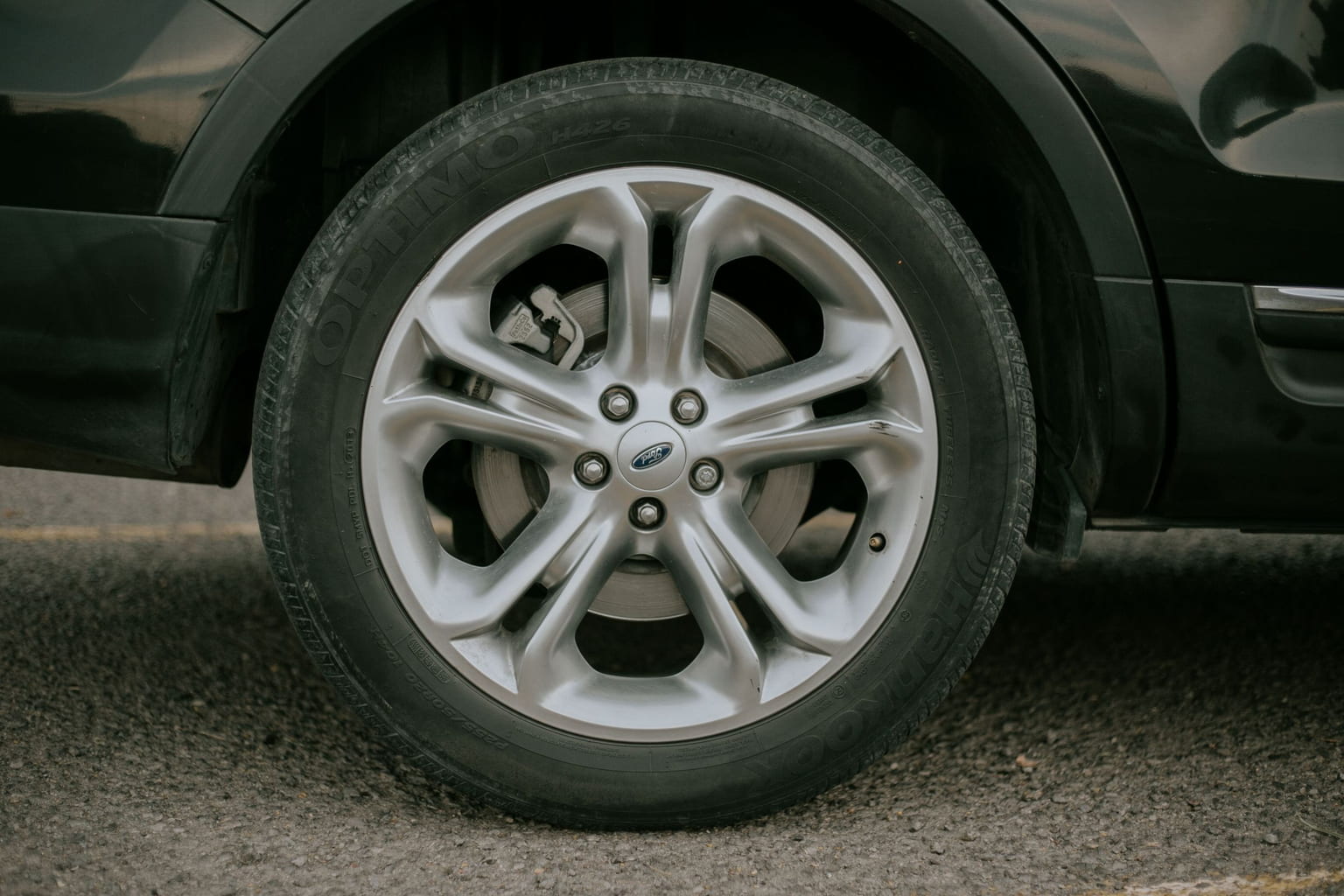
You’re cruising down the highway when the steering wheel starts to shimmy, or the whole car develops a strange side-to-side shake. That feeling is tire wobble, and it means something is off with a tire, a wheel, or the parts that hold them in place. Some causes are cheap fixes, like a quick rebalance. Others involve damaged wheels or worn suspension that get worse the longer you wait. Here’s how to work out what’s happening and what to do about it.
Quick answer
A wobbling tire is most often caused by unbalanced tires, a bent wheel, or worn suspension parts. Other triggers include loose lug nuts, low pressure, and internal tire damage. Slow down, avoid highway speeds, and check the tires and lug nuts. If the shaking continues, have a technician inspect the tires, wheels, and suspension before driving far.
What Does a Wobbling Tire Feel Like?
A wobbling tire doesn’t always look dramatic. Often you can’t see anything wrong at all. What you feel is a rhythmic vibration that changes with your speed. It may show up as a shimmy in the steering wheel, a shudder through the seat, or a wavering sensation as if the car is drifting slightly from side to side.
The root problem is rotation. A wheel and tire assembly that isn’t perfectly round, evenly weighted, or firmly attached spins unevenly. At low speeds you may barely notice it. As speed climbs, the imbalance multiplies and the shake gets stronger. Because a shaky ride affects how well you can steer and stop, it’s worth reading up on driving safety fundamentals and taking any new vibration seriously.
Signs and Symptoms That Point to a Problem
Wobble rarely travels alone, and the details of what you feel can tell you a lot. Steering wheel shaking from tire trouble usually means the problem is at the front of the car, since those wheels connect directly to the wheel in your hands. If the vibration comes through the seat or floor instead, the rear wheels are more likely the source. Many imbalances become obvious somewhere between about 45 and 70 mph, then fade a little at higher speeds, which is why the shake can seem to come and go.
What Causes Tire Wobble?
Several problems can produce that shake, and they tend to fall into three groups. The first group is the tire and wheel themselves. The most common culprit is a lost wheel weight. Small weights on each wheel keep the assembly balanced, and when one falls off, vibration follows. This is one of the classic tire balance problems, and it’s also one of the cheapest to fix. A bent rim from a pothole or curb strike can create a similar shake, and internal tire damage, such as a separated belt or a sidewall bulge, can make a tire out of round. A tire with a visible bulge should not be driven on. Even something as simple as a clump of dried mud packed inside a wheel can throw off balance, which is one reason regular cleaning helps. Way’s wash guides cover easy ways to keep wheels free of buildup.
The second group is how the wheel attaches to the car. Loose or missing lug nuts are a serious safety issue and can end with a wheel coming off, so any wobble that begins right after a tire change deserves an immediate check. Low or uneven air pressure can also cause shaking, since an underinflated tire changes shape and flexes more against the road.
The third group is the hardware that holds everything steady. Worn ball joints, tie rods, bushings, and struts let the wheel wander, and a failing wheel bearing often adds a growl or hum along with vibration that worsens at speed. Misalignment doesn’t usually cause wobble on its own, but the pulling and irregular wear it creates can turn into vibration over time.
How to Tell What’s Causing the Shake
Where and when you feel the vibration narrows the suspects. Use this table as a starting point. Only an inspection can confirm the cause.
| What You Feel | Likely Cause | Urgency |
|---|---|---|
| Steering wheel shimmy at 50–70 mph | Front tire or wheel imbalance | Moderate: schedule soon |
| Seat or floor vibration at highway speed | Rear tire or wheel imbalance | Moderate: schedule soon |
| Shake at all speeds, worse over time | Bent wheel, internal tire damage, or worn suspension | High: inspect promptly |
| Vibration plus a humming or growling noise | Worn wheel bearing | High: inspect promptly |
| Shaking with pulling or loose steering | Alignment or worn steering parts | High: inspect promptly |
| Wobble right after a tire change or wheel service | Loose lug nuts or improper mounting | Urgent: stop and check |
| Visible bulge on the tire sidewall | Belt separation or sidewall damage | Urgent: stop driving |
Is a Wobbling Tire Dangerous?
It can be, and the risk depends on what’s behind it. A mild vibration from imbalance is mostly an annoyance in the short term. But a wobble caused by a damaged tire, a loose wheel, or a failing suspension part is a real safety concern. Ignoring tire wobble reduces your control, since steering and braking become less predictable, especially in an emergency. It also speeds up wear. Uneven tire wear shortens tire life, and constant vibration wears down ball joints, bushings, and shocks faster than normal.
The worst outcomes are sudden ones. A damaged or separating tire can fail at speed, and loose lug nuts can allow a wheel to detach. A crash tied to a known, unrepaired defect can also complicate an insurance claim, which is a good reason to fix safety issues promptly and keep your auto insurance coverage current.
What to Do Right Away
If the shake shows up while you’re driving, work through these steps:
-
Ease off the gas and slow down gradually. Avoid hard braking and sharp turns.
-
Pull over safely and turn on your hazard lights.
-
Walk around the vehicle. Look for a flat, bulge, cut, bent rim, or missing lug nuts.
-
Check that the lug nuts look secure. If any are missing or loose, don’t drive.
-
Check tire pressure if you have a gauge, using the number on the driver’s door jamb placard, not the sidewall maximum.
-
Decide whether to continue. If you see damage or feel severe shaking, call for help. If the tires look fine and the vibration is mild, drive slowly and directly to the nearest shop, and stop again if it gets worse. A tire can look normal with damage inside it, so a clean look is not an all-clear.
Avoid highway speeds until the cause is confirmed.
Repair Options and Typical Costs
The fix depends entirely on the cause, and the range is wide. A simple rebalance is one of the least expensive repairs in auto care, while replacing a bearing or steering component can run into the hundreds. The table below shows typical U.S. price ranges. These are estimates only, and costs vary by vehicle, region, and shop.
| Repair | Typical Cost |
|---|---|
| Tire balancing | $15 to $50 per tire |
| Tire repair (patch or plug) | $15 to $45 |
| Wheel alignment | $80 to $200 |
| Bent wheel straightening | $75 to $250 |
| Wheel replacement | $150 to $700+ |
| Wheel bearing replacement | $150 to $800 per wheel |
| Tie rod or ball joint replacement | $150 to $500 |
| New tire | $100 to $400+ each |
Repairs like these are part of the larger expense of keeping a vehicle on the road. Way’s cost breakdown of car ownership shows how maintenance fits into the bigger picture, and it’s a useful reminder that catching a small problem early is almost always the cheaper path.
Balancing vs. Alignment: Which Do You Need?
These two services get confused constantly, but they fix different problems. Balancing corrects the weight distribution around the tire and wheel. According to NHTSA, a tire must be properly balanced to avoid vibration or shaking as it rotates, and balance is achieved by positioning weights on the wheel. If you feel a shimmy at certain speeds, tire balance problems are the first thing to rule out. A technician spins the assembly on a machine and adds small weights where needed.
Alignment is a different job. It adjusts the angles of your wheels so they point straight and sit flat on the road. If the car pulls to one side, the steering wheel sits off-center, or the tires show irregular wear, alignment is the likelier fix. Sometimes you need both, especially after a pothole strike. A good shop will inspect the tires, wheels, and suspension before recommending anything, so you’re not paying for the wrong service.
Avoid the Curb and Pothole Hits That Start It
Many wobbles begin with a single hard impact. A pothole or a scraped curb can bend a rim, knock off a wheel weight, or damage the inside of a tire without leaving an obvious mark on the outside. You can lower the odds by scanning ahead and slowing down before rough patches instead of braking in the middle of the impact. Keeping your tires properly inflated helps too, since low pressure makes impact damage more likely.
Parking habits matter as well. Tight garages and crowded lots invite wheel scrapes, so it can help to reserve parking in a spot with enough room to maneuver, and to leave a little space at the curb when you pull in. If you do hit something hard, pay attention to the next few miles. A new vibration, or a steering wheel that sits off-center, is your cue to get the wheels checked before the damage spreads.
When to See a Professional
You can rule out a few simple causes yourself, but some situations call for a technician. Book a visit if:
-
The vibration persists after checking pressure and lug nuts.
-
You see a bulge, cut, or bent wheel.
-
Shaking comes with pulling, noise, or loose steering.
-
The wobble started right after a pothole or curb impact.
-
The shake began after recent wheel or tire service.
When you go, ask the shop to inspect the tires, wheels, and suspension, not just rebalance them, so a deeper problem doesn’t slip through. It also helps to choose technicians who hold credentials. ASE certifies technicians rather than businesses and suggests asking to see their credentials, and its Blue Seal locator lists shops where a large percentage of technicians are certified.
Final Thoughts
A shaking wheel is easy to get used to, and that’s exactly why it’s risky. The vibration might start out as a small annoyance, but tire wobble is a symptom, and symptoms usually point to something that will cost more the longer it’s ignored. Trust what you feel through the steering wheel, check the basics, and get a proper inspection when the shake doesn’t go away. For more help choosing, maintaining, and getting the most from your vehicle, browse Way’s car guides.
Related guides
- Wheel Balancing vs. Alignment: What’s the Difference?
- Bad Shocks and Struts Symptoms and When to Replace Them
- Common Suspension Problems: Signs Your Car Needs Inspection
Frequently Asked Questions
1. Is it safe to drive with a wobbling tire?
It depends on the cause. A mild vibration from imbalance is usually safe for a short, slow drive to a shop. Severe shaking, a bulge, missing lug nuts, or pulling are different. In those cases, stop driving and call for help.
2. Why does my steering wheel shake at highway speeds but not in town?
Imbalance is more noticeable at certain speeds because the vibration builds as the wheel spins faster. Front wheel and tire imbalance is a common cause, and a balance service often fixes it. Persistent shaking may indicate worn steering parts or a bent wheel.
3. Can tire balance problems cause other damage?
Yes. Ongoing vibration strains suspension parts and wheel bearings and can cause irregular wear patterns on the tread. Fixing a simple imbalance early is far cheaper than replacing worn components later.
4. Can low tire pressure cause wobble?
Yes. An underinflated tire flexes more and changes how it touches the road. That can create vibration, pulling, and faster wear. Inflate to the pressure on your door jamb placard and re-check the shake.
5. How much does it cost to fix a wobbling tire?
A rebalance is often the least expensive fix, commonly around $15 to $50 per tire. Replacing a bent wheel, bearing, or steering part costs more. Get a written estimate after an inspection.
Get 10% off in the Way App in the Way App!

- Scan and get the Way App Download the Way App
- Log in to your account
- Use code FIRST10 at checkout