Your suspension does its job so quietly that you barely notice it until something goes wrong. Then the ride turns floaty, the car clunks over every bump, and the steering starts to feel vague. Ignored suspension problems don’t just make the ride uncomfortable. They stretch stopping distances, chew through tires, and put stress on parts that cost far more to replace. This guide explains how to spot the warning signs, what usually causes them, what repairs cost, and when to get a professional inspection.
Quick answer
Common signs of suspension trouble include a car that bounces after bumps, clunking or squeaking over rough roads, a nose dive when braking, drifting or pulling, and uneven tire wear. Worn shocks, struts, bushings, or ball joints are the usual causes. Get an inspection soon, because weak suspension can lengthen stopping distances and reduce control.
What Your Suspension Actually Does
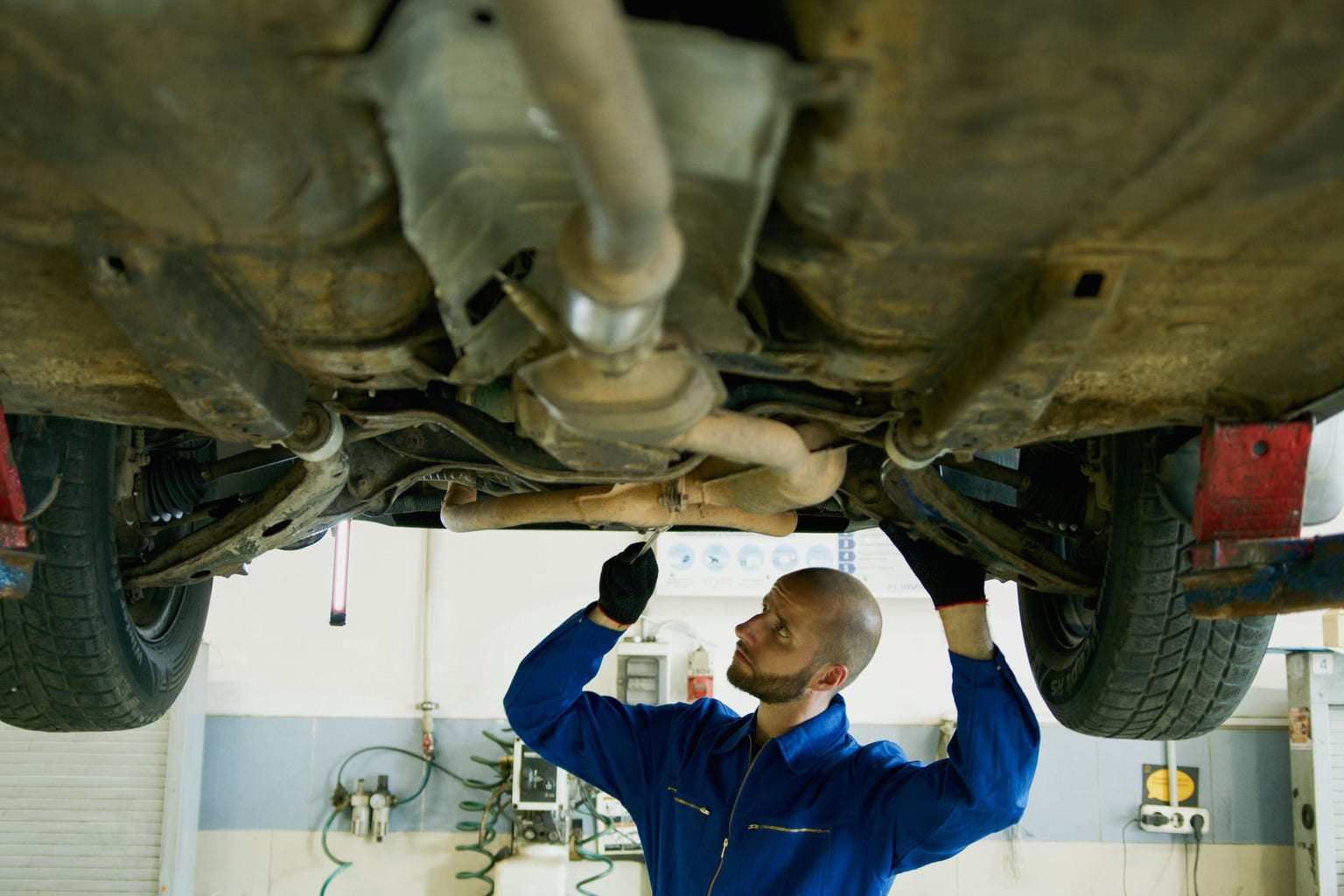
The suspension is the system that connects your wheels to the body of the car. Springs hold the vehicle’s weight, shocks and struts control how quickly the springs move, and control arms and ball joints let the wheels travel up and down while still pointing straight. Rubber bushings cushion all the joints, and sway bars limit how much the body leans in a turn.
Together these parts have three jobs: keep the tires pressed against the road, keep the ride comfortable, and keep steering and braking predictable. Because the parts flex thousands of times a day, they wear out gradually, and drivers often adapt to the decline without noticing. That’s why it helps to know the warning signs. For more routine care advice, browse Way’s maintenance guides.
When Your Car Bounces After Bumps
The classic sign is a ride that won’t settle down. A healthy suspension rebounds once after a bump and calms right away. If your car bounces after bumps and keeps floating up and down, or feels like it’s rocking on the highway, the parts that damp the springs’ motion are likely worn.
You may notice the same thing in other ways. The front end may dip hard when you brake, the rear may squat when you accelerate, and the body may lean more than it used to in corners. On rough pavement the car may feel unsettled, as if the tires are skipping instead of gripping. These symptoms tend to creep in slowly, so a quick comparison with how the car felt when it was newer, or after a recent repair, can help you judge.
Worn Shocks and Struts: The Usual Suspects
Shocks and struts do the damping work, converting spring motion into heat so the wheel returns to the road quickly. Struts also act as a structural part of the suspension in many cars. Both wear out with use, and the pace depends heavily on road conditions, load, and driving style. Many manufacturers suggest an inspection around 50,000 miles, though some last longer and rough roads shorten the life considerably.
Look for oily fluid on the outside of the shock body, which means a failed seal, and for cupped or scalloped tire wear, where the tread wears into dips. A shock that is losing control also lets the car dive forward under braking. That matters for safety, because brakes only work as well as the contact between tires and pavement. When the tires bounce or skip, stopping takes longer. You can read more about staying safe behind the wheel in Way’s driving safety guides, and it’s a good reason not to put off an inspection.
Suspension Noise: What Each Sound Means
Sounds are one of the best clues, because different worn parts make different noises. Use this table as a starting point, and remember that only an inspection can confirm the cause.
| Sound | When You Hear It | Common Cause |
|---|---|---|
| Clunk or thud | Over bumps and potholes | Worn sway bar links, bushings, or strut mounts |
| Squeak or creak | Over bumps or when turning | Dry or worn ball joints and bushings |
| Knock | While turning or on rough roads | Worn tie rod ends, ball joints, or loose parts |
| Rattle | Over rough or uneven pavement | Loose components or worn links |
| Groan or moan | When turning the wheel | Worn strut mount bearings or steering components |
| Bang | After a hard impact | Damaged or broken part (stop and inspect) |
Note when the sound happens, which corner it seems to come from, and whether it changes with speed or turning. That information makes a technician’s job faster and helps you avoid paying for guesswork.
When It’s Unsafe to Drive
Most suspension wear is a slow, manageable problem. Some symptoms are not. Stop driving and call for help if you notice any of these:
-
A corner sitting visibly lower than the others, or a car that leans to one side.
-
A sudden loud bang or grinding suspension noise after hitting something.
-
A wheel that wobbles or leans at an odd angle.
-
Steering that suddenly becomes loose, heavy, or unresponsive.
-
Fluid streaming down a shock or strut.
-
A tire rubbing against the fender or body.
A broken spring, ball joint, or control arm can cause a loss of control. If any of these happen on the road, pull over safely and use roadside assistance instead of limping home.
Handling and Tire Clues to Suspension Problems
Even without strange sounds, your car will show that something is off. Steering may feel vague or wander on straight roads, the car may drift in crosswinds, and body roll in corners can increase. You may also feel the front end shudder under braking, or find that the ride harshness has changed.
Your tires keep a record too. Cupping, scalloping, or patchy wear often points to worn dampers, while edge wear may signal a bent or worn component that keeps knocking the alignment out. If your car bounces after bumps and the tires show scalloped tread, that combination strongly suggests the shocks or struts need attention. An alignment that keeps drifting is another hint that a worn part is letting the wheel move when it shouldn’t.
Repair Options and Typical Costs
Costs depend on the part, the vehicle, and the shop. The table below shows typical U.S. ranges. These are estimates only, and they vary by vehicle, region, and shop.
| Repair | Typical Cost |
|---|---|
| Shock absorbers (pair, installed) | $250 to $600 |
| Struts (pair, installed) | $500 to $1,200 |
| Sway bar link | $100 to $250 |
| Control arm | $250 to $700 |
| Ball joint | $200 to $500 |
| Bushing replacement | $150 to $500 |
| Coil spring (pair) | $300 to $700 |
| Alignment after suspension work | $80 to $200 |
Suspension repairs can add up, but they’re also part of the larger picture of what it costs to keep a car on the road. Way’s ownership costs breakdown helps you see where maintenance fits, and it’s a reminder that catching a small problem early is almost always cheaper than waiting.
A Quick Check You Can Do at Home
You can gather useful evidence before a shop visit. Try this:
-
Park on level ground and make sure the tires are properly inflated.
-
Do the bounce test. Push down firmly on one corner of the car, release, and count the rebounds. A healthy corner returns once and settles.
-
Compare all four corners and look at ride height. One corner sitting low can mean a weak spring.
-
Look for leaks. Check each shock or strut for oily residue.
-
Inspect the tires for cupping, scalloping, or edge wear.
-
Take a short test drive on a quiet road, listening for noise and feeling for drift or vibration.
-
Write down what you find so the technician can pinpoint it faster.
It’s also smart to check whether your vehicle is subject to a recall. Recalls can involve any component, including steering and suspension parts. You can look up your VIN on NHTSA, and manufacturers are required to make recall repairs at no cost. Beyond that, the best prevention is a steady routine: keep tires properly inflated, avoid potholes when you can, don’t overload the vehicle, and have the suspension looked at whenever a shop has the wheels off.
Finding a Shop and Keeping Costs Down
Suspension work is easier to trust when the technician has credentials. ASE offers a Suspension and Steering certification (A4), and the ASE tests page describes it as a certification for technicians who diagnose, service, and repair cars, SUVs, and light trucks. When you call a shop, ask whether the technician who will work on your car holds that credential.
A few habits keep the bill fair. Ask for a written estimate that separates parts and labor. Ask why each repair is needed and what symptom it addresses. Worn shocks and struts are usually replaced in pairs on the same axle so the car handles evenly, and an alignment is often needed afterward. You can also save on maintenance costs with memberships like Way+, which are built around everyday car expenses including repairs and maintenance.
Conclusion
Suspension problems rarely fix themselves, and they get more expensive the longer they run. Pay attention to how the car rides, sounds, and steers, trust what you notice, and get an inspection when something changes. A sound suspension keeps your tires planted, your stops short, and your steering predictable. When you’re ready to have it checked, book trusted auto repair through Way.com and get back to a smoother, safer ride.
Related guides
- Bad Shocks and Struts Symptoms and When to Replace Them
- Wheel Balancing vs. Alignment: What’s the Difference?
- Causes, Risks, and Repair Options For a Tire Wobble
Frequently Asked Questions
1. Can I drive with worn shocks and struts?
For a short time, usually yes, but it isn’t a good idea to wait. Worn shocks and struts lengthen stopping distances, reduce stability, and wear out tires and other parts faster. Get an inspection soon, and stop driving if the car feels unstable.
2. Why does my ride feel floaty when the car bounces after bumps?
The shocks or struts are no longer damping the springs’ motion, so the body keeps moving after each bump. That’s a sign of worn dampers. A bounce test and an inspection can confirm it.
3. What causes suspension noise over speed bumps?
Clunks are often worn sway bar links, bushings, or strut mounts, while squeaks usually point to dry or worn ball joints and bushings. The sound can change with speed and steering, so tell the technician when it happens.
4. How long do shocks and struts last?
It varies widely. Many manufacturers suggest inspection around 50,000 miles, and some last much longer. Rough roads, heavy loads, and aggressive driving shorten their life.
5. How much does suspension repair cost?
Costs range from about $100 for a sway bar link to $500 or more for struts, and more for major parts. The exact price depends on your vehicle and shop, so get a written estimate.
Get 10% off in the Way App in the Way App!

- Scan and get the Way App Download the Way App
- Log in to your account
- Use code FIRST10 at checkout