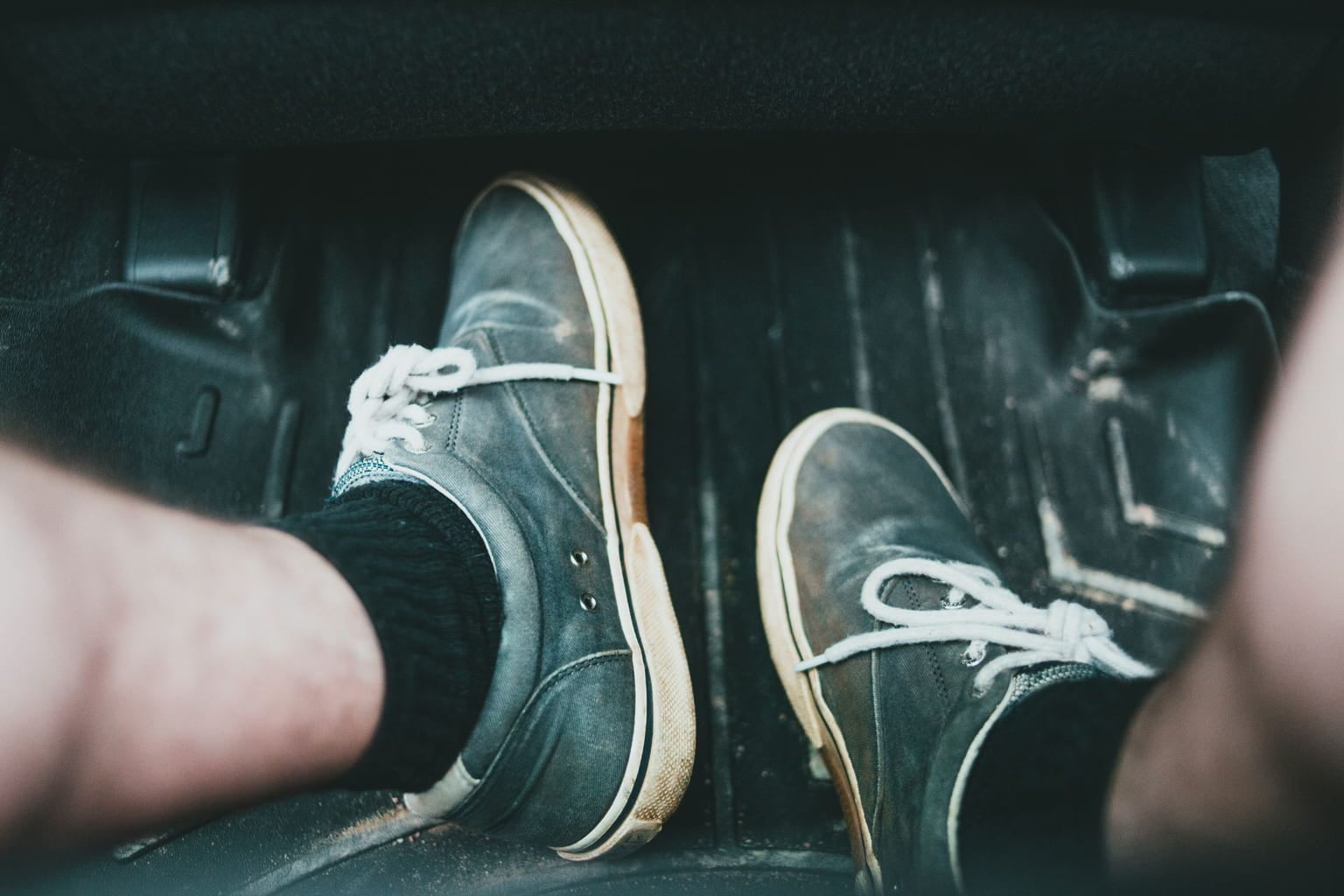
You press the brake pedal and it barely gives, like you’re pushing against something solid instead of the usual smooth resistance. Slowing down suddenly takes real effort, almost like your power steering, but for stopping instead of turning. It’s unsettling, and for good reason.
A hard brake pedal almost always means you’ve lost power assist somewhere in the system, not that your brakes themselves have failed outright. The car can usually still stop, but it takes a lot more leg force to make that happen, which is exactly the kind of thing you don’t want to discover for the first time in an emergency.
Quick answer
A hard brake pedal is usually caused by a failing brake booster, a cracked vacuum hose, a seized caliper, or moisture-contaminated brake fluid. All of these reduce the power assist that normally makes braking easy, forcing you to press much harder to stop. Get it inspected promptly rather than adjusting to the extra effort.
How Power Brakes Actually Work
Most cars use a brake booster to multiply the force from your foot before it ever reaches the brake fluid, which is the only reason you can stop a two-ton vehicle without leg-pressing your entire body weight into the pedal. A typical vacuum booster sits between the pedal and the master cylinder, using engine vacuum to pull a diaphragm and assist the pushrod that sends fluid to your brakes.
When that assist disappears, whatever’s left is pure mechanical force from your leg, which is a fraction of what the system normally provides. Way’s repair guides cover more on how individual brake components work together if you want the fuller picture before your next inspection.
Common Causes of a Hard Brake Pedal
A failing brake booster. This is the most common source of brake booster symptoms, and it happens when the booster’s internal diaphragm develops a tear or its check valve fails, so it can no longer hold vacuum pressure or transfer that force to the master cylinder.
A cracked or disconnected vacuum hose. The hose connecting the booster to the engine’s intake manifold dries out and cracks over time. A hissing sound when you press the pedal is a common giveaway that vacuum is leaking out through a damaged hose instead of reaching the booster.
A seized brake caliper. Calipers can bind up from corrosion or worn hardware, which affects how a pad engages the rotor. While seized calipers more often cause pulling or dragging, in some cases they contribute to an unusually stiff pedal feel as well.
Sludge or contaminated brake fluid. Brake fluid absorbs moisture over time, and that trapped water leads to internal sludge buildup that restricts fluid movement through the lines, making the pedal feel firmer and less responsive than it should.
A failing vacuum or power steering pump. Some vehicles use a mechanical or electric pump instead of engine vacuum to power the booster. A missing serpentine belt, a failing electric pump, or low power steering fluid on these systems can all produce the same hard-pedal feeling.
The Engine-Off Test: Checking Hard Brake Pedal When Car Is Off
There’s a simple test that tells you a lot before you ever visit a shop. With the engine off, pump the brake pedal several times, it should get progressively firmer with each press as residual vacuum is used up. Keep your foot pressed down, then start the engine.
If the pedal sinks slightly and becomes easier to press once the engine starts, your booster is likely working correctly, since that dip means fresh vacuum is reaching it. If the pedal stays exactly as firm as it was before starting, that’s a strong sign the booster itself isn’t getting or holding vacuum properly. This hard brake pedal when car is off test is one of the more reliable at-home checks you can do without any tools.
Does Cold Weather Make a Hard Brake Pedal Worse?
Cold temperatures can genuinely intensify brake booster symptoms that were already borderline. Rubber components, including the vacuum hose and the booster’s internal diaphragm, stiffen slightly in cold weather, which can turn a minor, barely noticeable vacuum leak into a much more obvious hard brake pedal on a freezing morning. Brake fluid also thickens somewhat as temperatures drop, adding a touch more resistance on top of whatever’s already going on mechanically.
If your pedal feels noticeably harder specifically on cold mornings and closer to normal once the car’s been running a while, that’s a useful clue for whoever diagnoses it, since it points toward a borderline vacuum leak or aging booster seal rather than a sudden, complete failure. It’s worth mentioning this pattern to your mechanic rather than assuming it’s just “a cold weather thing” that doesn’t need attention.
Causes at a Glance
| Cause | Key clue | Urgency |
|---|---|---|
| Failing brake booster | Pedal stays firm through the engine-off test | High |
| Cracked vacuum hose | Hissing sound when braking | High |
| Seized caliper | Pulling to one side, uneven wear | Medium-high |
| Sludge in brake lines | Gradual stiffening over months | Medium |
| Failing vacuum/PS pump | Whining noise, low power steering fluid | Medium-high |
Other Brake System Problems That Mimic This
Not every stiff pedal traces back to the booster. Some brake system problems produce a similar sensation for different reasons entirely. A stuck parking brake that isn’t releasing fully can add resistance throughout the pedal’s travel. A warped or heavily glazed rotor can create uneven resistance that feels stiffer in certain spots during a stop. And on rare occasions, a problem inside the master cylinder itself can restrict fluid flow enough to mimic booster failure, even though the booster is working fine.
This is part of why a proper inspection matters more than guessing based on feel alone, since several of these brake system problems require completely different fixes despite producing a similar pedal sensation.
Getting It Diagnosed
A shop technician typically starts with the same engine-off vacuum test you can do yourself, then checks the vacuum hose for cracks, inspects caliper movement, and examines brake fluid condition to narrow down the actual cause. Look for ASE-certified technicians when choosing a shop, since correctly separating a booster issue from a fluid or caliper problem takes proper diagnostic experience.
It’s also worth checking NHTSA’s recall lookup using your VIN, since brake booster and vacuum system recalls do happen on certain models, and those repairs come at no cost if yours qualifies.
What Repairs Typically Cost
A brake booster replacement typically runs $300 to $600 including labor. A vacuum hose repair is far cheaper, often under $100. Caliper service or replacement generally falls between $150 and $600 depending on whether it needs cleaning or full replacement, and a brake fluid flush to clear out sludge typically costs $100 to $150. For a broader sense of how a repair like this fits into overall costs, Way’s ownership costs guide is a useful reference.
If a repair like this catches you off guard financially, it’s also worth checking whether your car insurance plan includes any roadside or towing benefits, since a car with severely reduced braking is one you shouldn’t drive to the shop yourself.
Preventing This From Happening Again
Keep up with brake fluid flushes on your manufacturer’s recommended schedule, typically every two years, since fresh fluid resists the moisture buildup that leads to sludge. Address a hissing sound near the brake pedal promptly rather than ignoring it, since that’s often a vacuum leak in its early, cheaper-to-fix stage. And don’t dismiss a pedal that feels slightly firmer than usual as nothing, since booster problems tend to develop gradually before becoming obvious. Way’s DIY hub has guidance on running the engine-off vacuum test and a few other basic checks yourself before booking a shop visit.
If This Happens While You’re Driving
A hard brake pedal that shows up suddenly while you’re out on the road deserves a cautious, gradual stop rather than continuing to drive as usual. If the car isn’t stopping the way you expect, don’t push your luck trying to make it home. Roadside help can get you towed to a shop instead of risking a longer drive on a braking system that isn’t working the way it should.
Conclusion
A hard brake pedal is your car telling you it’s lost its power assist, not that the brakes have failed outright, but that distinction matters less than getting it checked quickly. The engine-off test takes thirty seconds and gives you a real clue before you even pick up the phone. Whatever it turns out to be, a booster, a hose, or fluid that’s overdue for a flush, this isn’t a symptom to adapt to and keep driving with.
If your pedal’s been feeling stiffer than usual, get it looked at through Way Auto Repair before a cheap hose repair turns into a full booster replacement.
More brake troubleshooting guides like this one are on the Way Journal if you want to keep reading.
Related guides
- Bad Brake Caliper Symptoms: Signs You Need Brake Service
- Driving with Worn Out Brake Pads: Risks and Warning Signs
- Brake Shoes vs. Brake Pads: What’s the Difference?
Frequently Asked Questions
Is it safe to drive with a hard brake pedal?
Not for long. The car can typically still stop, but it requires significantly more force, which is risky in a situation where you need to brake quickly. Get it inspected as soon as possible rather than continuing to drive on it.
What does it mean if my hard brake pedal when car is off test comes back firm after starting?
A pedal that stays firm even after starting the engine suggests the brake booster isn’t receiving or holding vacuum properly, which points toward a failing booster, a cracked vacuum hose, or a faulty check valve.
Can a brake fluid flush fix a hard pedal?
It can, if sludge from moisture-contaminated fluid is the actual cause. If the issue traces back to the booster or a vacuum leak instead, a fluid flush alone won’t resolve it, which is why a proper diagnosis matters.
How do I know if it’s the brake booster or something else?
The engine-off test is a good starting point at home, but a shop can confirm it definitively by checking vacuum levels, inspecting hoses, and testing caliper movement, since several different brake system problems can produce a similar pedal feel.
How much does it cost to fix a hard brake pedal?
It depends on the cause. A cracked vacuum hose might cost under $100 to replace, while a full brake booster replacement typically runs $300 to $600. A fluid flush to clear sludge usually falls between $100 and $150.
Get 10% off in the Way App in the Way App!

- Scan and get the Way App Download the Way App
- Log in to your account
- Use code FIRST10 at checkout